Description
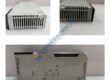
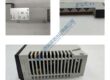
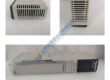
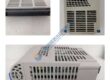
The GE RS-FS-9010-03 is a component likely associated with a flame detection system, potentially part of GE’s Reuter-Stokes product line, now under Baker Hughes. While specific details for the RS-FS-9010-03 model are limited in readily available public documentation, it is likely a sensor or part of a larger flame scanner assembly used for monitoring combustion processes in industrial applications such as gas turbines and boilers. These systems are crucial for ensuring safe and efficient operation by detecting the presence and stability of flames. Based on related models, it likely utilizes ultraviolet (UV) or infrared (IR) technology to sense the electromagnetic radiation emitted by flames.
Application Scenarios
Imagine a large gas-fired power plant where the reliable and continuous operation of its turbines is paramount for electricity generation. The GE RS-FS-9010-03, as part of a flame detection system, would be strategically installed to monitor the flames within the combustion chambers of the gas turbines. Its primary function would be to immediately detect any flame-out conditions or instabilities. If a flame were to extinguish unexpectedly, the RS-FS-9010-03 would send a signal to the control system, initiating a rapid and safe shutdown of the fuel supply to prevent the accumulation of unburnt fuel, which could lead to hazardous situations. Continuous and accurate flame monitoring by the RS-FS-9010-03 is therefore essential for ensuring the safe, efficient, and reliable operation of the power plant’s critical energy-producing assets.
Parameter
Given the limited specific information available for the RS-FS-9010-03, the following parameters are based on general knowledge of industrial flame scanners and specifications from related GE Reuter-Stokes models:
Main Parameters Value/Description Product Model RS-FS-9010-03 Manufacturer GE (likely Reuter-Stokes product line, now Baker Hughes) Product Category Flame Scanner/Detector Component Detection Type Likely Ultraviolet (UV) or Infrared (IR) Detects electromagnetic radiation from flames. Power Supply Typically 24 VDC Nominal Common industrial control system voltage. Output Signal Likely discrete (on/off) or analog (e.g., 4-20 mA) Indicates flame presence and/or intensity. Operating Temperature Dependent on specific model specifications Designed for harsh combustion environments. Pressure Rating Dependent on specific housing design Withstands pressures within the combustion chamber. Spectral Response Dependent on sensor type Sensitive to specific wavelengths of flame radiation. Field of View Dependent on optical design Angle of view for flame detection.
Technical Principles and Innovative Values
- Innovation Point 1: Robust and Reliable Sensing. GE Reuter-Stokes flame scanners are known for their robust design, capable of withstanding the high temperatures, pressures, and vibrations common in combustion environments. The RS-FS-9010-03 likely shares this characteristic, ensuring reliable and consistent flame detection over extended periods.
- Innovation Point 2: Fast Response Time. In critical combustion applications, rapid detection of flame-out conditions is essential for safety. The RS-FS-9010-03 would be engineered for a fast response time to quickly signal any anomalies to the control system.
- Innovation Point 3: Potential for Self-Checking Capabilities. Advanced flame scanners often incorporate self-checking features to verify the integrity of the sensor and the optical path, ensuring reliable operation and reducing the risk of undetected failures. The RS-FS-9010-03 may include such features.
- Innovation Point 4: Integration with Control Systems. Designed for seamless integration with industrial control systems, the output signal from the RS-FS-9010-03 allows for immediate action upon detection of a flame event, enhancing the safety and control of the combustion process.
Application Cases and Industry Value
In a large industrial boiler used for steam generation, the GE RS-FS-9010-03 would be crucial for monitoring the stability of the burner flames. If a burner were to become unstable or extinguish, the RS-FS-9010-03 would immediately signal this condition to the boiler control system. This would trigger safety interlocks to shut down the fuel supply to that burner, preventing the buildup of unburnt fuel and the risk of an explosion. By providing continuous and reliable flame monitoring, the RS-FS-9010-03 contributes significantly to the safe and efficient operation of the boiler, ensuring consistent steam production for the industrial process. Its reliability minimizes downtime associated with flame-related issues, enhancing overall plant productivity.
Related Product Combination Solutions
Given the likely association with flame detection systems, related products from GE (now Baker Hughes) Reuter-Stokes could include:
- RS-FS-9001: Another UV flame detector often used in GE gas turbines, potentially an earlier or similar model to the RS-FS-9010-03.
- Flame Tracker Dry 325 (FTD 325): A more complete flame scanner system that might incorporate sensors similar to the RS-FS-9010-03, offering advanced signal processing and diagnostics.
- Various Reuter-Stokes UV and IR flame detectors: A range of flame scanners with different spectral sensitivities, housing designs, and output options to suit various combustion applications.
- Control system interfaces and cables: Components necessary to connect the RS-FS-9010-03 to the plant’s control system for signal transmission and power supply.
- Mounting hardware and accessories: Flanges, brackets, and other hardware required for the proper installation of the flame detector in the combustion environment.
- Purge air systems: Used to keep the optical path of the flame scanner clean from dust and contaminants, ensuring reliable detection.
- Test lamps and calibration tools: Equipment used to verify the functionality and sensitivity of the flame detector.
- Complete combustion control systems: Integrated systems that utilize flame scanners like the RS-FS-9010-03 along with other sensors and actuators to optimize the combustion process.