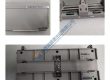
Main Features and Advantages
The Fluke 437-II Power Quality and Energy Analyzer stands out with its specialized capabilities and comprehensive feature set:
400 Hz Measurement Capability: This is the defining feature of the 437-II. It allows for accurate power quality and energy analysis in avionic, military, and other specialized applications that utilize 400 Hz power systems, a critical differentiator from other analyzers.
Class-A Compliance (IEC 61000-4-30 Class A): Ensures that the analyzer performs measurements according to the most stringent international standards for power quality, providing highly accurate, repeatable, and comparable results for flicker, transients, and mains signaling.
Unified Power Measurement (UPM) & Energy Loss Calculator: Fluke’s patented UPM system provides a detailed breakdown of power, including classic power parameters and IEEE 1459-2000 power. The integrated Energy Loss Calculator then quantifies the financial cost of energy waste caused by power quality issues like harmonics and unbalance, simplifying ROI calculations for mitigation efforts.
Advanced Power Quality Health Summary: Offers an at-a-glance, real-time overview of various power quality parameters with tolerance limits, simplifying initial diagnostics and helping users quickly identify the nature and severity of electrical problems.
PowerWave Data Capture: This feature enables high-resolution capture of voltage, current, and frequency waveforms and RMS values during dynamic events like motor or generator startups, UPS switching, or load changes. It provides detailed insight into how these events impact the electrical system.
Power Inverter Efficiency Measurement: Allows for simultaneous measurement of AC output power and DC input power to determine the efficiency of power electronics systems, crucial for assessing the performance of solar inverters, UPS systems, and other DC-AC/AC-DC conversion equipment.
Automatic Trending (AutoTrend): Automatically and continuously records every displayed reading without setup. This allows users to quickly view trends in voltage, current, frequency, power, harmonics, or flicker on all phases plus neutral, aiding in the identification of intermittent problems.
Highest Safety Rating: Rated 600 V CAT IV / 1000 V CAT III, providing the highest safety protection for use at the service entrance and throughout industrial and commercial electrical systems.
Comprehensive Power Quality Analysis: Measures a full suite of power quality parameters, including harmonics (up to the 50th), transients (up to 6kV), dips and swells, flicker, and inrush current, providing a complete picture of electrical system health.
Application Field
The Fluke 437-II Power Quality and Energy Analyzer is an essential tool for professionals in various sectors, especially those dealing with specialized power systems and critical electrical infrastructure. Its key application fields include:
Avionics and Aerospace:
- Aircraft Maintenance and Manufacturing: Crucial for testing and troubleshooting power systems on aircraft (e.g., ground power units, aircraft electrical buses) which extensively use 400 Hz power for weight and efficiency benefits.
- Airport Ground Support Equipment: Ensuring the quality of power supplied to aircraft.
Military and Defense:
- Naval Vessels and Submarines: Analyzing power quality on ships and submarines that often rely on 400 Hz power systems.
- Military Ground Support Equipment: Testing and maintaining specialized electrical systems in military vehicles and installations.
General Industrial and Commercial Facilities (for standard 50/60 Hz applications, leveraging its advanced features):
- Energy Audits and Management: Identifying energy waste due to poor power quality (harmonics, unbalance, reactive power) and quantifying financial losses to justify energy efficiency upgrades.
- Troubleshooting Power Quality Issues: Diagnosing a wide range of electrical problems such as voltage sags/swells, transient events, harmonics, flicker, and unbalance that can lead to equipment malfunction, overheating, or premature failure.
- Load Studies and Capacity Planning: Assessing electrical system capacity before adding new loads or optimizing existing load distribution.
- Predictive Maintenance: Identifying potential power quality issues before they cause downtime or damage to sensitive equipment.
- Data Center and Critical Power Systems: Ensuring reliable and clean power for sensitive IT equipment and UPS systems.
- Renewable Energy Integration: Analyzing the performance and efficiency of power inverters in solar, wind, and battery storage systems (using its inverter efficiency mode).
In summary, the 437-II is a versatile and high-end power analyzer, particularly indispensable for any professional dealing with 400 Hz electrical systems, while also providing top-tier capabilities for conventional 50/60 Hz power quality and energy analysis.

Related Products
The Fluke 437-II is part of the Fluke 430 Series II Power Quality and Energy Analyzers. Related products include other models within this series, accessories, and complementary Fluke testing equipment.
Other Fluke 430 Series II Models:
- Fluke 434-II Energy Analyzer: A basic model focused on energy consumption, energy loss, and some power quality parameters (IEC 61000-4-30 Class S compliant). It doesn’t have advanced features like flicker, transients, or mains signaling, and typically doesn’t include the 400Hz capability.
- Fluke 435-II Power Quality and Energy Analyzer: A more advanced model offering full Class A compliance for 50/60 Hz systems, including flicker, transients, and mains signaling, but lacks the 400 Hz measurement capability found in the 437-II.
- Fluke 438-II Power Quality & Motor Analyzer: Builds on the 435-II by adding mechanical and electrical measurements for motor performance analysis (e.g., motor output torque, speed, mechanical power, motor efficiency, NEMA/IEC guidelines).
Essential Accessories:
- Fluke i430flex-TF Flexible Current Probes: These are often included with the 437-II and are essential for current measurements, especially in tight spaces, offering various amperage ranges (e.g., 600A, 6000A).
- Fluke BP290/BP291 Li-ion Battery Packs: Standard and double-capacity replacement batteries for extended operation.
- Fluke BC430 Power Adapter/Battery Charger: For charging the unit and powering it from mains.
- Fluke TLS430 Test Lead and Alligator Clip Set: Standard voltage test leads.
- Fluke PowerLog Software: PC software for data analysis, trend plotting, report generation, and downloading/uploading data from the analyzer.
- Fluke USB Cable: For connecting the analyzer to a PC.
- SD Memory Cards: For data logging and storage.
Complementary Fluke Testing Equipment:
- Fluke Digital Multimeters (DMMs): For general electrical measurements.
- Fluke Clamp Meters: For basic current measurements.
- Fluke Thermal Imagers: To identify hotspots and overheating components, which can be caused by power quality issues.
- Fluke ScopeMeters (e.g., 190 Series II): Portable oscilloscopes that can complement power quality analysis with detailed waveform capture for very high-frequency events or specific signal analysis.
Installation and Maintenance
Pre-installation preparation: The Fluke 437-II is a portable diagnostic tool, so “installation” primarily refers to setting it up for a measurement task. Always begin by reviewing the Fluke 437-II user manual for detailed safety warnings, operating instructions, and connection diagrams. Ensure you understand the maximum voltage and current ratings of the analyzer and your probes. Prioritize safety:
- Personal Protective Equipment (PPE): Wear appropriate PPE, including arc-rated clothing, safety glasses, and insulated gloves, based on the electrical system’s voltage and fault current levels.
- De-energization (if applicable): For certain measurements (e.g., resistance checks, wiring verification), ensure the circuit is de-energized and locked out following Lockout/Tagout (LOTO) procedures. For live measurements, verify the circuit integrity and safety before connecting the analyzer.
- Probe Selection and Connection: Select the correct voltage test leads and current clamps/flexible current probes (like the i430flex-TF) for your application and ensure they are rated for the voltage and current being measured. Connect the voltage leads to the appropriate terminals on the analyzer (L1, L2, L3, N) and securely attach the alligator clips to the circuit. Orient current clamps/flexes correctly around the conductors.
- Analyzer Setup: Power on the 437-II, ensure the battery is charged, and select the appropriate measurement mode and settings (e.g., 400 Hz mode, measurement interval, logging duration) as per your analysis requirements.
Maintenance recommendations: Regular care and calibration are crucial for maintaining the accuracy and longevity of the Fluke 437-II.
- Cleaning: Keep the analyzer clean. Wipe the case and display with a soft, damp cloth. Do not use abrasive cleaners or solvents. Keep the input jacks and probe connectors clean and free of debris.
- Battery Care: Charge the Li-ion battery regularly, especially before long logging sessions. Store the analyzer with a partially charged battery if it will be unused for extended periods. Follow battery charging and storage guidelines in the manual.
- Probe and Lead Inspection: Regularly inspect all test leads, current clamps/flexes, and power adapters for any signs of physical damage, cracks in insulation, or frayed wires. Replace any damaged accessories immediately to ensure safety and accuracy.
- Software Updates: Periodically check the Fluke website for firmware updates for the 437-II and software updates for the PowerLog PC software. Keeping software updated ensures optimal performance, bug fixes, and access to new features.
- Storage: Store the analyzer in its protective carrying case (like the C437-II hard case) in a clean, dry environment within the specified storage temperature range.
- Calibration: Like all precision test equipment, the Fluke 437-II requires periodic professional calibration to ensure its accuracy. Fluke recommends annual calibration. Send the unit to an authorized Fluke service center or a certified calibration lab for this service.
- Data Management: Regularly download logged data from the SD card to a computer using the PowerLog software to prevent data loss and free up memory.