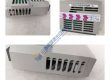
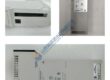
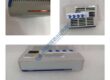
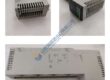
- Model: MVI56E-GSC
- Brand: PROSOFT Technology
- Series: ControlLogix Generic ASCII Serial Enhanced
- Core Function: Add two configurable ASCII serial ports to a ControlLogix controller
- Product Type: In-rack communication module / Generic ASCII serial
- Key Specs: 2 serial ports | up to 4,096 bytes per message | 1756 backplane
- Condition: New Original (New Surplus)
Product Introduction
PROSOFT MVI56E-GSC is an Enhanced Generic ASCII Serial Communication module for Rockwell 1756 ControlLogix systems, adding two high‑capacity serial ports for ASCII‑based protocols without external gateways. It installs as a single‑slot in‑rack module and exchanges data with the CPU over the backplane.
The module provides backward‑compatible operation with legacy MVI56‑GSC configurations while adding an Ethernet port, on‑board web server, and improved diagnostics, which simplifies integration of barcodes, weighers, printers, and custom serial devices and reduces cabinet complexity compared with standalone serial servers. Confirm required ControlLogix firmware and RSLogix/Studio 5000 versions before committing to the hardware.
Frequently Asked Questions
Q: Does the MVI56E-GSC support hot-swapping in a ControlLogix rack?
A: Honestly, the chassis and module are designed for online insertion and removal, but your process may not be. The safest practice is to inhibit the module in the Logix project, ensure the CPU can tolerate losing its ASCII data source, and only then replace it during a planned outage. Treat it like any other specialty 1756 card drawing 800 mA at 5 V and avoid stressing a marginal power supply.
Q: Is the MVI56E-GSC obsolete, and is there a direct replacement?
A: The most common mistake is assuming the older MVI56‑GSC and the MVI56E‑GSC are interchangeable without checking firmware notes. The E‑series is explicitly positioned as the enhanced, backward‑compatible successor, but even that can eventually move to “legacy” status; always check PROSOFT’s product page and lifecycle notice, and confirm if any XT or later variant is suggested as a migration path before building it into a new platform.
Q: Will I lose my program or configuration when replacing the module?
A: In our experience, people swap the card and only then realize the ASCII configuration lived on the module. Before removal, connect over Ethernet using ProSoft Configuration Builder, back up the configuration, and note key items such as port type, baud rate, parity, data bits, and memory mapping. After installing the new unit, match the firmware major revision where possible, restore the saved configuration, and verify operation using the diagnostics and on‑board web server.
Q: Are these units factory-new or refurbished?
A: For New Surplus, you are usually looking at unused modules from project overruns or spare parts inventories, sometimes in opened or reboxed packaging, but with zero runtime. Refurbished units, in contrast, may have seen service and then been cleaned, re‑tested, and possibly reworked at board level; if you are offered refurbished, ask for test procedures, cosmetic grading, and a clear statement on whether conformal coating or connectors were replaced.

NATIONAL INSTRUMENTS TBX-68 TERMINAL BLOCK
National Instruments NI VXI-MXI-2 Mainframe Extender
National Instruments 14-bit Multifunction I/O USB-6009
National Instruments NI PCI-6220 PCI Card
National Instruments Digital I/O Board PCI-DIO-32HS
National Instruments PCI-5102 Digitizer Scope DAQ Card
NATIONAL INSTRUMENTS GPIB-USB-HS CONTROLLER
ZIPPO RARE PEN WRITING instrument NATIONAL ZIPPO DAY 95
National Instruments NI SCXI-1102 32-channel Input
National Instruments PXI-4461 Data Acquisition Module
National Instruments NI SCXI-1160 16-Chan SPDT Relay
National Instruments 6034E 16 Bit PCI DAQ Card
National Instruments SCXI-1120 8-Ch Isolation Amplifier
National Instruments 777642-04 4 port Windows NT/98/95
National Instruments PCI-6024E Multifunction DAQ Card
Vietnam FDC ” National musical Instruments”1996