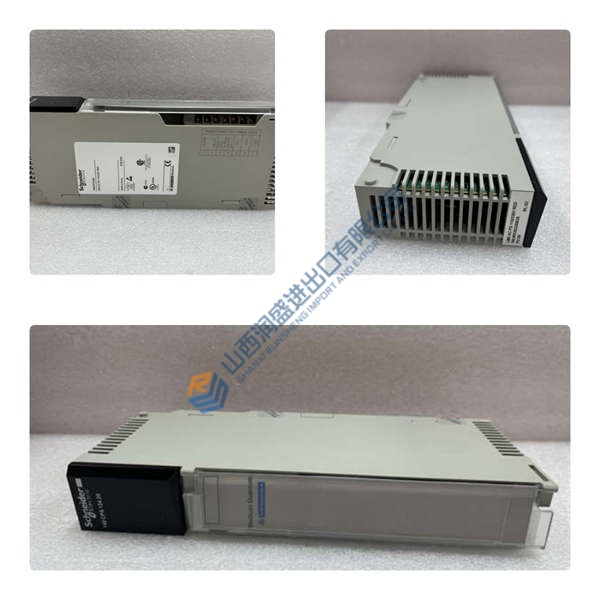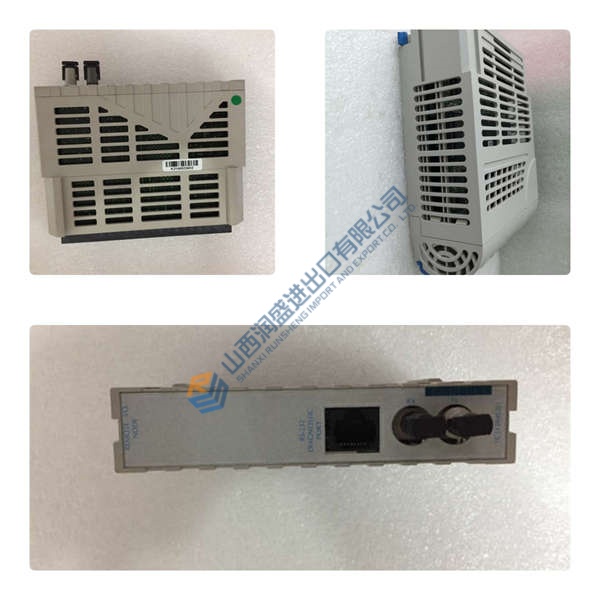
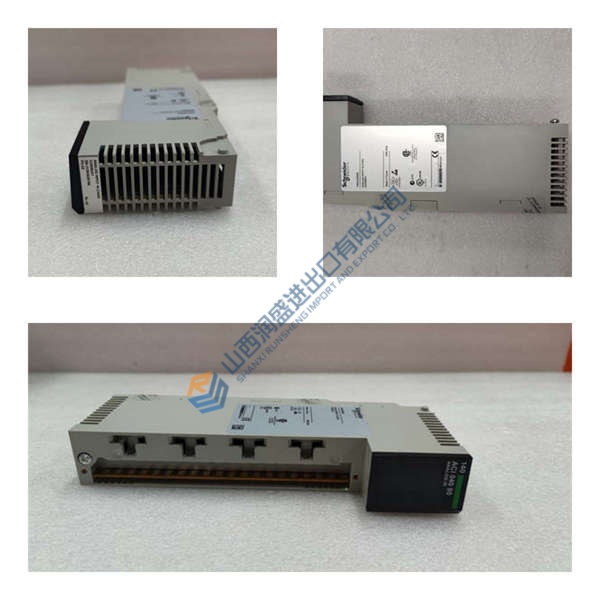
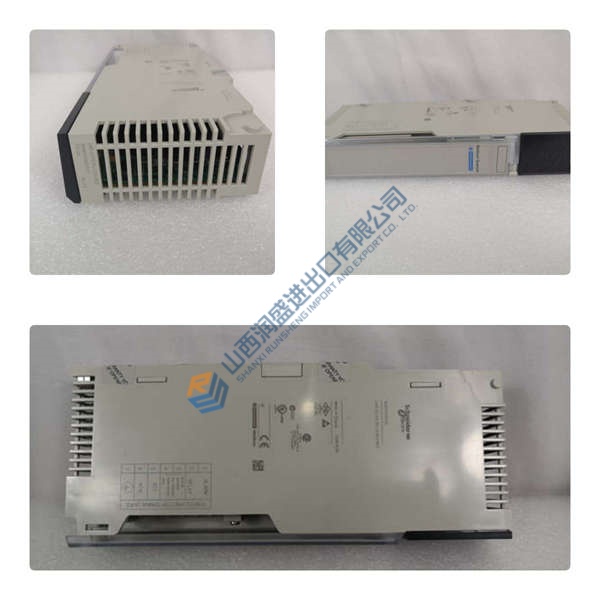
Description
Key Technical Specifications
- Product Model: HESG112548R12
- Manufacturer: ABB
- Protection Type: Motor protection relay
- Form Factor: DIN‑rail mountable module
- Protection Functions:
- Overcurrent (ANSI 50/51)
- Instantaneous short circuit (ANSI 50)
- Ground fault (ANSI 50N/51N)
- Thermal overload (ANSI 49)
- Overvoltage (ANSI 59)
- Undervoltage (ANSI 27)
- Locked rotor protection (ANSI 48/51LR)
- Operating Temperature Range: –25 °C to +70 °C (industrial ambient specification)
- Communication Interface (Optional): Modbus RTU/TCP, IEC 61850 (configuration dependent)
- Installation: Standard DIN rail mount
- Dimensions: Approx. 81.6 × 32.9 × 82.6 mm
- Weight: ~0.36 kg
- Certification Compliance: CE, UL industrial control equipment standards
- Electrical Connection: Terminal blocks for CT, VT, auxiliary power, trip outputs
- LED Indicators: Status and fault signalling
Technical Architecture & Functional Positioning
The ABB HESG112548R12 is a purpose‑built motor protection relay module engineered to provide comprehensive and layered protection for AC and DC motors across industrial automation applications. It occupies a critical role within motor control centres (MCCs), PLC/DCS integrated control panels, and standalone protection schemes. Unlike basic overload relays or thermal trips, this module integrates multiple protective algorithms — including overcurrent, instantaneous short circuit, ground fault, and thermal overload detection — into a single compact unit. This consolidation simplifies system architecture while ensuring that motor protection logic can operate independently or in concert with PLC logic, depending on the installation design.
From a system architect perspective, the module combines analog signal monitoring of current transformers (CT) and optional voltage transformer (VT) inputs with microprocessor‑based digital processing. The microprocessor continuously evaluates incoming current and voltage data, executing real‑time protective decision logic based on configurable thresholds and time characteristics. Core technology elements such as multi‑stage overcurrent algorithms comply with international protective function standards, enabling the relay to distinguish between transient conditions and persistent faults that warrant trip action. This design ensures fast discrimination of fault conditions while preventing unnecessary tripping due to momentary load surges.
Critical engineering value arises from the module’s ability to protect motors against a wide spectrum of failure modes:
- Overload and thermal stress are detected through integrated thermal models, preserving motor insulation life.
- Short circuit and locked rotor conditions are rapidly isolated, preventing damage to winding insulation and drive train components.
- Ground faults are identified independently, safeguarding against safety hazards and insulation breakdown.
- Voltage anomalies are detected to prevent brown‑out or overvoltage stress in connected components.
Optional support for standardized industrial communication protocols (Modbus RTU/TCP or IEC 61850) enables tight integration with supervisory control systems and motor management dashboards. This facilitates remote status monitoring, parameter configuration, and automated trip reporting, which are key features in modern smart factory and IIoT environments.