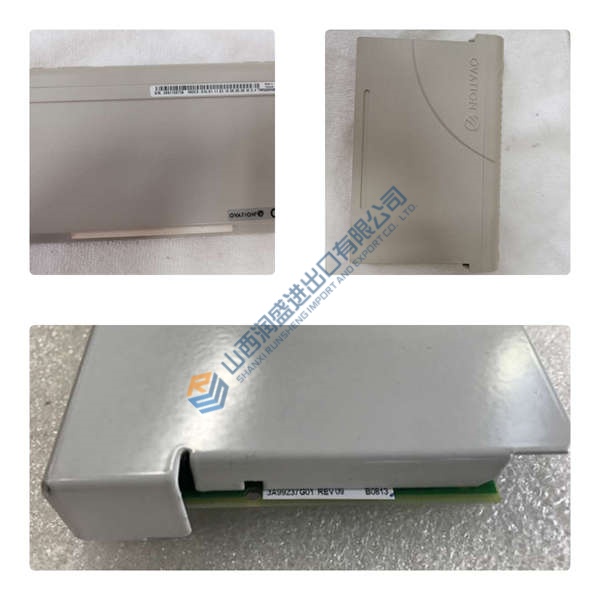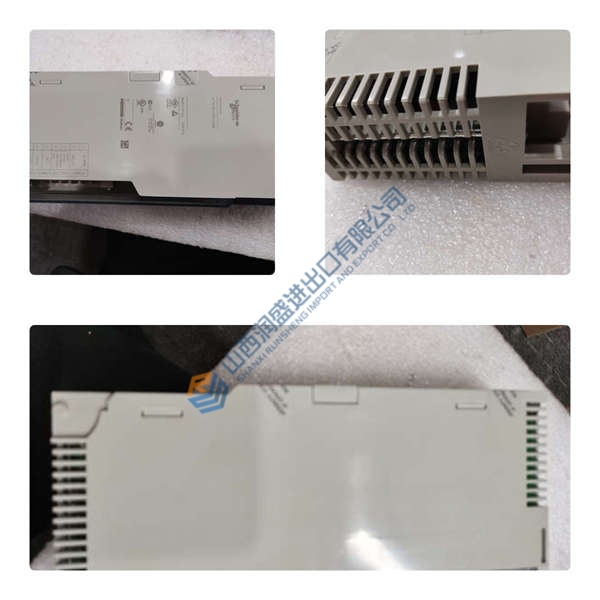

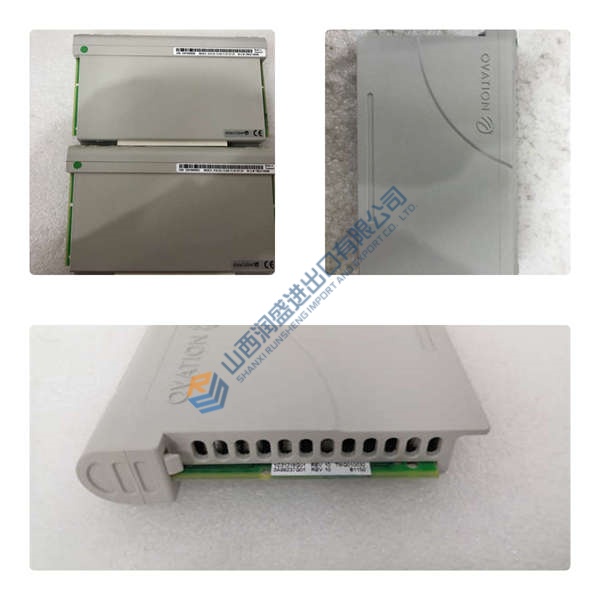
Description
Technical Architecture & Functional Positioning
(≈450 words)
The ABB HIEE200130R0002 / AFC094AE02 module is a key communication and interface component within the Advant OCS controller architecture. It functions as a bridge between the system’s CPU and the backplane’s I/O communication layers, ensuring consistent and deterministic data processing required by industrial distributed control systems.
Within the control rack, the module operates using ABB’s proprietary high-speed backplane protocol. Its primary role is to manage the transfer of analog, digital, and sequencing data between the main CPU and the connected I/O modules. The module ensures that real-time task execution is synchronized with the controller scan cycle, allowing tight regulation loops and event-driven operations.
AFC094AE02 provides critical timing, buffering, and error-checking mechanisms. It manages communication handshakes, minimizes latency, and handles exceptions like bus overloads or transient signal interruptions. Integrated diagnostics continuously monitor the module’s health, backplane communication integrity, and controller connectivity. These signals feed into the overall DCS diagnostic layer, allowing maintenance personnel to identify problems early.
Robust EMI handling is achieved through differential signalling and galvanic isolation. These protections help preserve signal integrity in challenging environments such as chemical plants, steel mills, or power generation units, where electrical noise is common. ABB designed the module with strict EMC compliance, ensuring stable operation even when installed near high-power switching equipment or rotating machinery.
The HIEE200130R0002 module is also engineered for long operational life. ABB Advant systems often operate continuously for 15–25 years, and this module contributes to the platform’s longevity through its stable electrical design, long MTBF, and compatibility with legacy rack configurations. For system owners, this part remains essential for sustaining older DCS architectures without requiring costly modernization.
Overall, the AFC094AE02 provides the communication stability, timing precision, and robust diagnostics required to maintain high availability in industrial automation systems.
Typical Application Scenarios
- Power generation (turbine control, boiler automation, auxiliary systems)
- Petrochemical and refinery process automation
- Steel mills and rolling lines needing deterministic control loops
- Pulp & paper DCS-based measurement and actuation systems
- Industrial process skids with ABB Advant legacy controllers
- Modernization or maintenance projects requiring compatible legacy hardware
Quality Standards & Testing Procedures
(≈450 words)
To ensure reliable field operation, each HIEE200130R0002 / AFC094AE02 module undergoes stringent laboratory testing before shipment. The testing process replicates real operational conditions using genuine ABB Advant racks and diagnostic tools.
1. Visual & Structural Inspection
- Examination of PCB for solder integrity, oxidation, contamination, or cracked components
- Inspection of connectors for bent pins or wear
- Cleaning of PCB and edge connectors using antistatic industrial solvents
2. Power & Electrical Load Testing
- Verification of 5 V and ±12 V rail stability
- Measurement of actual current draw vs. ABB specifications
- Short-circuit, ripple, and thermal load analysis
3. Backplane Interface Test
- Installation in an authentic ABB Advant rack
- Validation of backplane enumeration and controller recognition
- Monitoring of module startup sequence and handshake routines
4. Communication Integrity Testing
- High-frequency cyclic communication tests with simulated I/O modules
- Noise injection to ensure EMI tolerance
- Verification of real-time cycle stability under variable load
5. Diagnostic Verification
- Checking module status LEDs
- Verifying communication fault reporting
- Running error counters and internal diagnostics through ABB utility tools
6. Environmental Conditioning
- Controlled temperature cycling from 0–55 °C
- Humidity tests and insulation verification
- Monitoring signal stability during temperature transitions
7. Final QA Documentation
Every shipped unit includes a Quality Test Report containing:
- Module identity & revision
- Electrical test results
- Communication integrity metrics
- Diagnostic logs
- Technician verification signatures