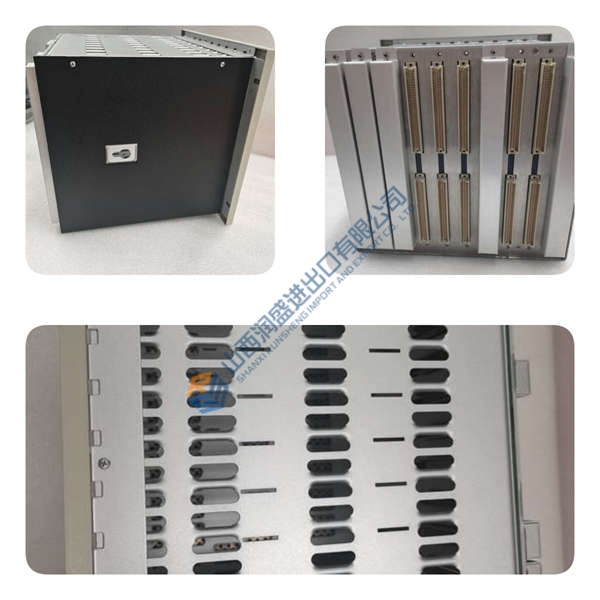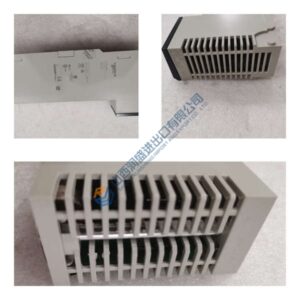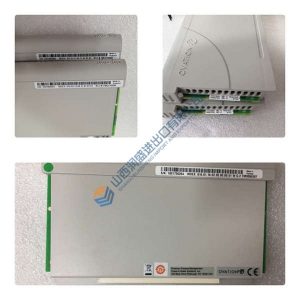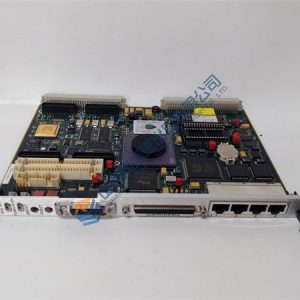
Description
Product Introduction
Generator synchronization faults rarely come from failed relays alone. Most shutdown delays happen because replacement settings, breaker logic, or parameter structures differ from the original installation. DEIF PPM-3DG is used in generator management systems where stable synchronization timing, load-sharing behavior, and protection coordination are required across multi-generator operations.
From a maintenance perspective, DEIF PPM-3DG is commonly selected for marine, utility, and industrial genset control systems where maintaining existing switchboard architecture matters more than redesigning the full power management structure. The unit is validated through controlled startup diagnostics, communication verification, and runtime observation before shipment. Configuration compatibility with the installed system must be confirmed before commissioning.
Field engineers usually discover the real issue after startup. The relay powers correctly, indicators look normal, but synchronization sequence timing differs because the replacement settings were never documented before removal.
Incoming inspection follows a traceability-driven workflow. Serial labels are verified, enclosure condition is reviewed for corrosion, scratches, connector wear, UV aging, or repair marks, and any available documentation is logged. DEIF PPM-3DG is only released when physical condition matches declared specification.
Functional testing is performed on a compatible generator control simulation rack. Power-on verification includes LED behavior, relay response, startup sequence stability, and reset validation. Communication handshake testing is performed where applicable using simulated synchronization and breaker-control scenarios. DEIF PPM-3DG is also run under continuous operation conditions to observe thermal stability and long-duration reliability. Test reports and photo/video evidence can be provided upon request.
Electrical verification may include insulation resistance testing using a 500 V megger with target values above 10 MΩ where applicable. Ground continuity checks are completed before packaging. High-potential testing is only applied when technically appropriate for relay-control devices.
Before shipment, firmware revision and hardware configuration are recorded. DIP switch and jumper positions are documented with photos where accessible. Final QC includes ESD-safe sealing, reinforced export packaging, and dated inspection labeling. The module passes functional verification at time of test; final compatibility must still be confirmed by the installer.