Description
Technical Architecture & Functional Positioning
(≈450 words)
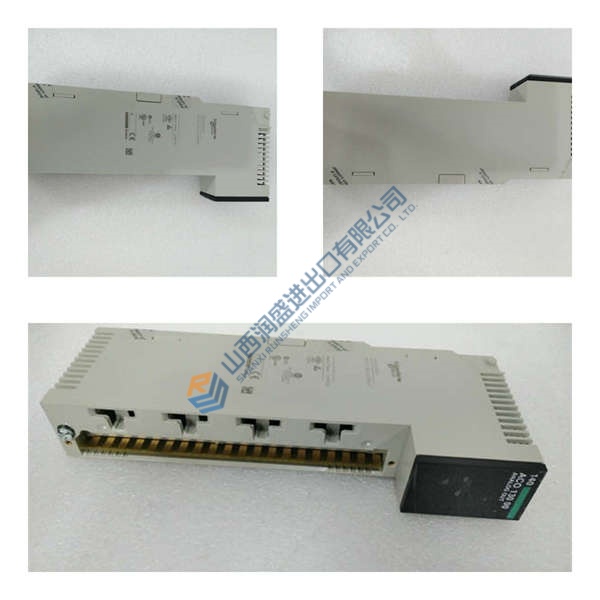
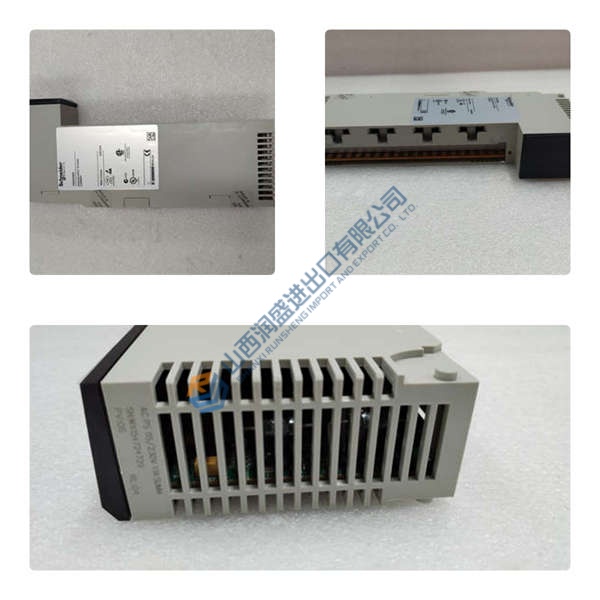
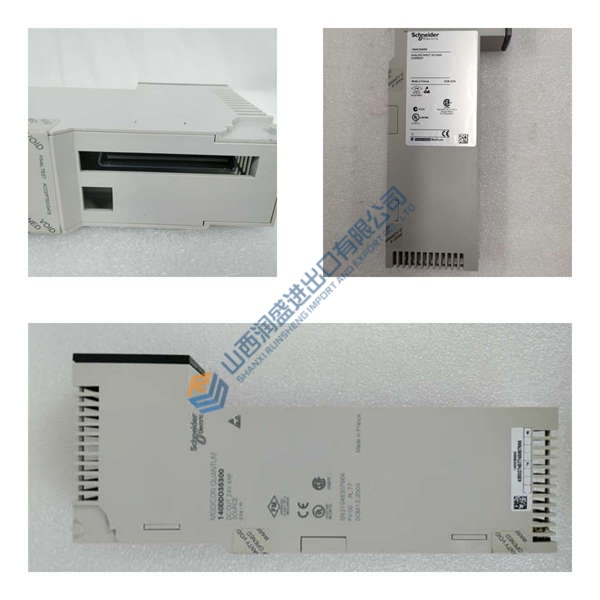
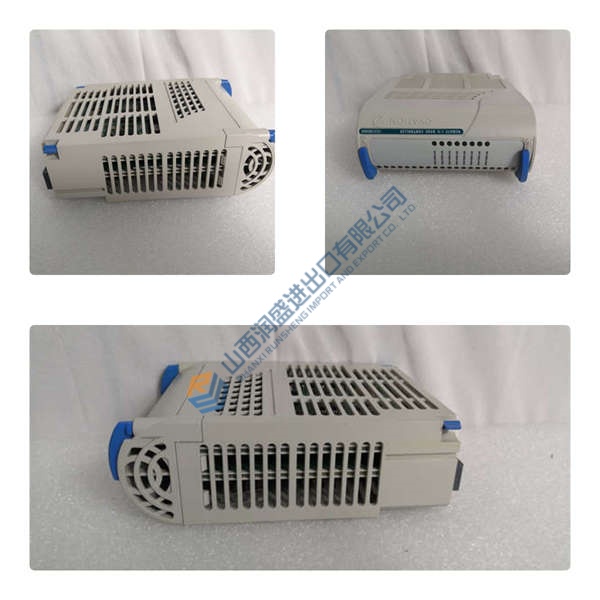
The ABB HESG324442R112/F / 216VC62A is a high-performance servo drive module engineered for demanding industrial motion control. It occupies the drive layer of a motion control system, directly regulating AC servo motors to achieve precise speed, torque, and positional control across high-power applications.
The module employs advanced vector control algorithms to continuously process feedback from encoders or resolvers, enabling precise motor response under dynamic load conditions. Its peak current handling of 150% for short durations allows the drive to manage high-inertia loads and sudden torque variations efficiently. Integrated protection features safeguard against overcurrent, overvoltage, undervoltage, thermal overload, and short-circuit conditions, ensuring reliability for continuous industrial operation.
Communication interfaces such as Profibus, EtherCAT, CANopen, and Modbus TCP allow seamless integration with ABB ACS controllers, CNC systems, or PLCs. The built-in Safe Torque Off (STO) feature ensures compliance with international safety standards while providing rapid emergency stopping without mechanical intervention.
Thermal management relies on large heat sinks and forced-air or liquid cooling options, enabling full-load operation in ambient temperatures up to 50°C. Modular construction permits individual drive module replacement without requiring a full system shutdown, minimizing downtime.
This drive is particularly suitable for robotics, CNC machinery, conveyor systems, packaging, and OEM industrial automation applications where multi-axis coordination, high-speed response, and precise motion control are essential. Accurate torque and speed control reduces mechanical wear, optimizes energy usage, and maintains consistent process quality.
Typical Application Scenarios
- Multi-axis CNC machining centers requiring precise positioning and speed control
- Industrial robotic arms for assembly, welding, or pick-and-place applications
- High-inertia conveyor systems in material handling operations
- Packaging and printing automation lines with synchronized motion requirements
- OEM automation systems for retrofit or new-build installations
- Laboratory automation and testing equipment demanding high-speed, high-accuracy motion
Quality Standards & Testing Procedures
(≈450 words)
Visual & Mechanical Inspection
- PCB and electronic components inspected for soldering and assembly integrity
- Connectors, terminals, and heat sink attachments verified for mechanical stability
- Cooling system (forced-air or liquid) verified for correct assembly
Electrical & Functional Verification
- Full-load testing with connected servo motor to verify current, voltage, and torque outputs
- Overcurrent, short-circuit, and thermal protection testing
- Peak current performance and dynamic load response validation
Signal & Communication Testing
- Encoder/resolver feedback accuracy verification
- Protocol diagnostics with Profibus, EtherCAT, CANopen, or Modbus TCP
- Firmware and parameter verification for full compatibility with ACS controllers
Burn-In & Final QC
- 24-hour continuous operation under load to detect early-life failures
- Safe Torque Off (STO) functionality verified
- Documentation of operational parameters, thermal data, and inspection results in a Quality Test Report
Modules failing any step are reworked or rejected to ensure only fully compliant units are supplied.