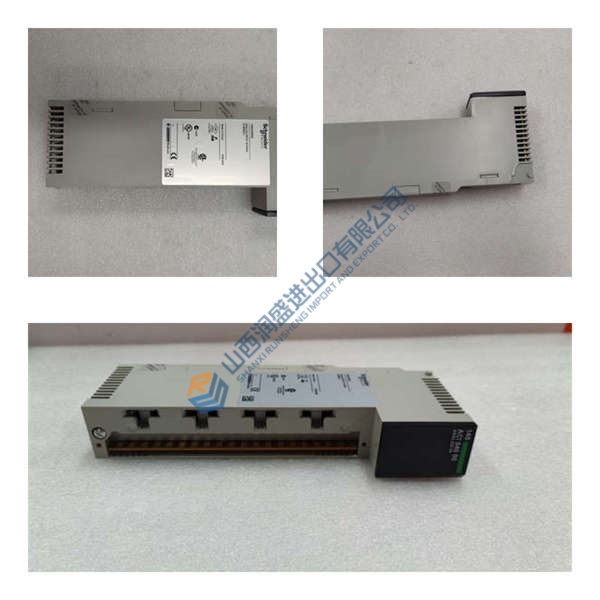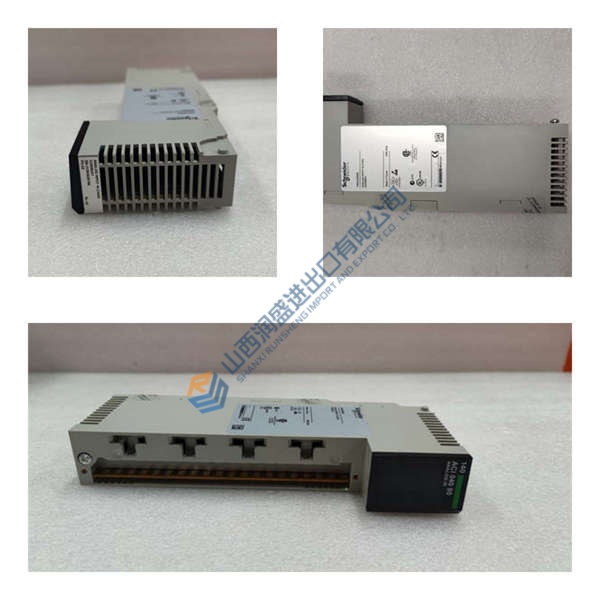
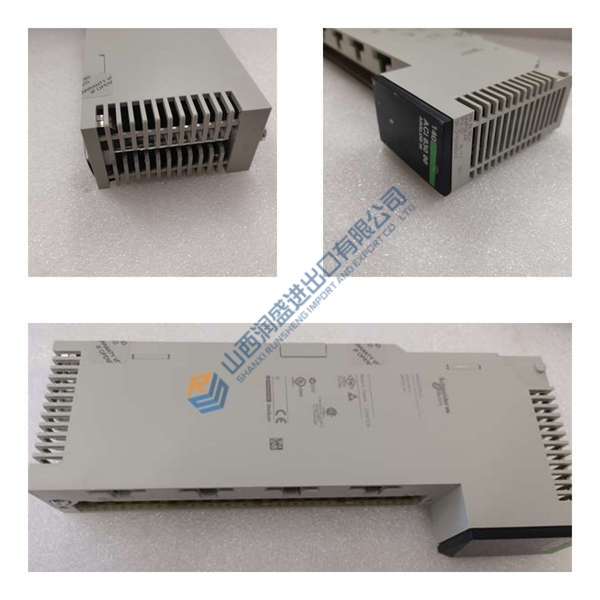
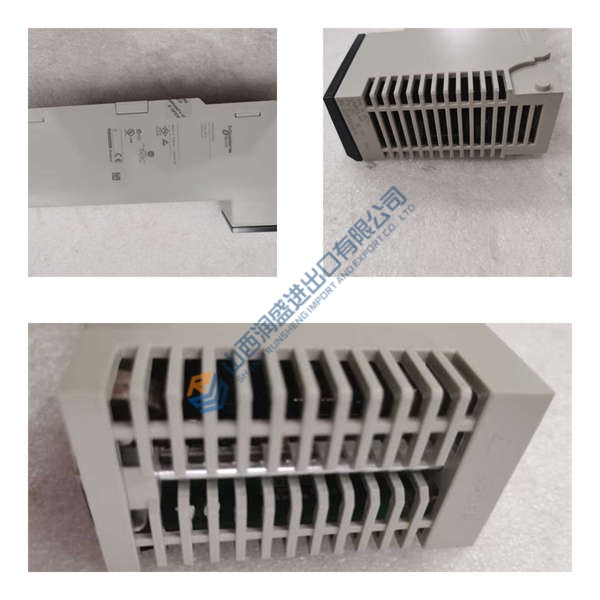
Description
Key Technical Specifications
- Product Model: HICE200114R1
- Manufacturer: ABB
- Module Type: Control interface / communication board
- System Platform: Industrial automation DCS/PLC backplane or distributed I/O rack
- Core Function: Facilitates signal passing, logic interface, and communication between subsystems
- Operating Voltage: Typical automation control logic supply (e.g., 5 V / 24 V DC range consistent with industrial boards)
- Communication Interfaces: Multi-signal interface compatible with automation bus standards
- Form Factor: PCB board with backplane slot integration
- Installation: Rack/backplane insertion or carrier-mounted
- Ambient Operating Range: –20 °C to +60 °C (typical industrial)
- Diagnostics: Status LED indicators for power and communication states
- Certifications: Industrial safety & EMC compliance (CE, UL)
- Isolation: Galvanic isolation between logic and field domains
- Weight: Approx. <1 kg (standard PCB module)
Technical Architecture & Functional Positioning
The ABB HICE200114R1 is positioned as a control or interface module within industrial distributed control systems (DCS) or PLC backplane configurations. Modules in the HICE series typically reside at the communication or logic integration layer, serving as a bridge between backplane data buses and discrete functional elements such as I/O clusters, remote I/O cards, or supervisory network interfaces. This class of board is essential in modular automation architectures where reliable data exchange, real-time logic handoff, and distributed signal synchronization are required.
From a systems engineering perspective, the module’s board-level design often includes:
- Communication phy and bus transceivers for differential signalling across backplane or remote bus networks.
- Logic processing ASICs or microcontrollers to manage handshake, data buffering, and error-checking routines.
- Galvanic isolation and filtering elements to maintain signal integrity and protect against ground loops or industrial noise.
- LED status indicators and diagnostic mapping for ease of commissioning and fault isolation.
Functionally, the interface board interprets control logic signals from the central CPU and routes them to distributed I/O or other modules with deterministic timing. It also collects status data and device health information to return to the supervising controller. The robust industrial PCB design ensures long-term reliability in environments with vibration, temperature variation, and electrical noise.
This module’s architecture contributes to system modularity, easing replacement and expansion without redesigning field wiring or main control logic. Such modular communication boards are commonly used in process automation applications where uptime, deterministic behavior, and diagnostic transparency are critical.
Typical Application Scenarios
- Fieldbus or backplane communication interface in ABB DCS / PLC racks
- Distributed I/O network integration for process control
- Mid-tier logic interface between sensors/actuators and central process controller
- Retrofit projects replacing legacy communication boards in control cabinets
- High-reliability industrial automation networks requiring modular signal routing