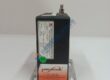
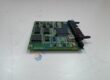
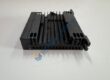
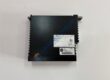
Product Core Brief
- Model: RET620 (Part Number: NBTNAAAANEH6BBN11G)
- Brand: ABB
- Series: Relion 620 Series
- Core Function: Provides comprehensive, high-density transformer differential protection, automatic voltage regulation (AVR), and control for two-winding power transformers.
- Type: Transformer Protection and Control Relay
- Key Specs: Pre-configured standard functional layout, operates on 48–250 V DC / 100–240 V AC auxiliary voltage, features high-density binary I/O, native IEC 61850 Edition 2.
- Condition: New Original (New Surplus) — not refurbished.
Product Introduction
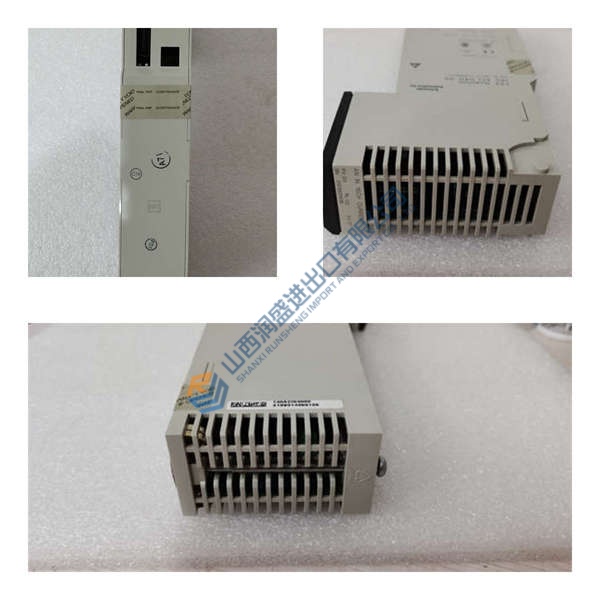
In search of an advanced, high-density solution for two-winding power transformer management? The ABB RET620 NBTNAAAANEH6BBN11G functions as a dedicated numerical terminal within the Relion 620 family, safeguarding utility and industrial substation transformers against internal winding faults, asymmetrical loads, and thermal stress. This mid-sized 1/2-rack unit flush-mounts into your control bay or switchgear panel door, connecting directly to current and voltage transformer secondaries.
Deploying this specific controller stabilizes grid integrations during massive through-fault surges by using an ultra-precise dual-slope stabilized differential function that restrains false trips in less than 20 ms. To be frank, selecting this specific hardware part code gives your station a massive physical I/O footprint alongside advanced on-load tap changer (OLTC) control matrix options. That engineering choice completely eliminates standalone voltage regulation panels, reducing project commissioning timelines by up to 35%.
Pricing Note: The listed price serves as a reference point only. Actual project pricing fluctuates based on current component market conditions and procurement volumes. Please contact our sales engineering desk to request a binding commercial quote.
Installation & Configuration Guide
Phase 1 — Pre-Installation (est. 10 min)
Isoperate and ground all primary high-voltage and medium-voltage circuit breakers linked to the transformer cell. Execute standard lock-out/tag-out rules on the station auxiliary DC control loops. Before opening the low-voltage instrumentation enclosure door, use your test instrument to confirm the terminal strip rails are fully de-energized. Wait 5 minutes for the internal capacitive banks to discharge completely.
Prepare your workspace: an insulated terminal driver set, a static-dissipative wrist strap, and a Fluke 115 multimeter. Connect your engineering laptop to the substation node and export the active .pcmp project file using ABB PCM600 software. Document the rear chassis block labels, serial communication fiber loops, and chassis safety earth links with clear photographs.
Phase 2 — Removal (est. 5 min)
Label every conductor wire clearly with durable slide-on cable markers before unseating any terminal screws. Carefully unplug the high-density analog terminal blocks from the rear backplane interface. Loosen the four nuts securing the flush-mounting border brackets. Slide the relay housing straight forward out of the panel cutout plane. Inspect the sheet-metal cutout perimeter for metal shards, rust spots, or gasket defects.
Phase 3 — Installation (est. 10 min)
Put on your ESD wrist strap and clamp the grounding tail firmly to a verified chassis ground rail. Examine the new ABB RET620 NBTNAAAANEH6BBN11G casing to verify the backplane pin layout is undamaged and matches your order specification. Slide the relay body into the panel cutout until the front seal sits tightly against the door surface. Re-engage the rear retention brackets and torque the nuts to exactly 0.5 N·m. Snap the pre-labeled wire compression terminal blocks firmly back into their respective slots.