Description
Product Introduction
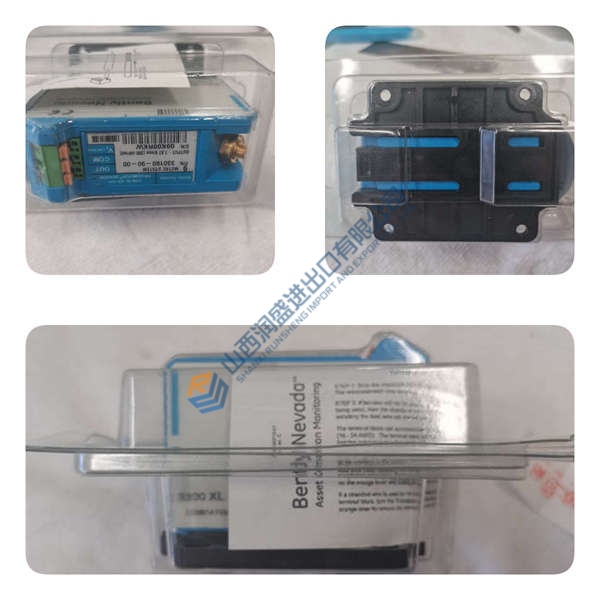
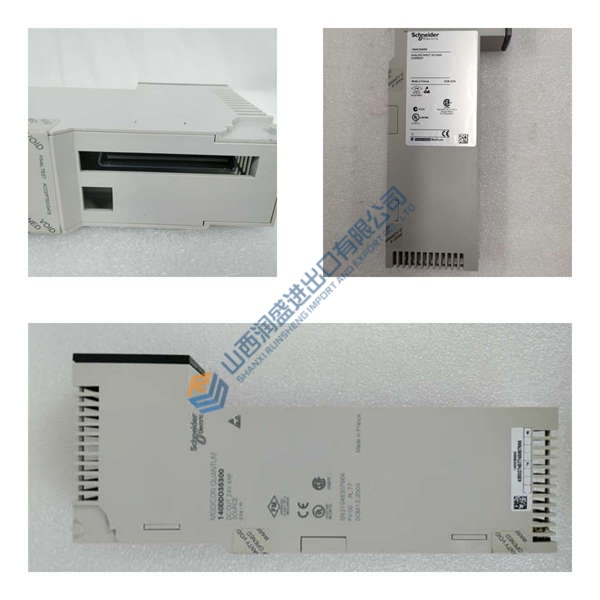
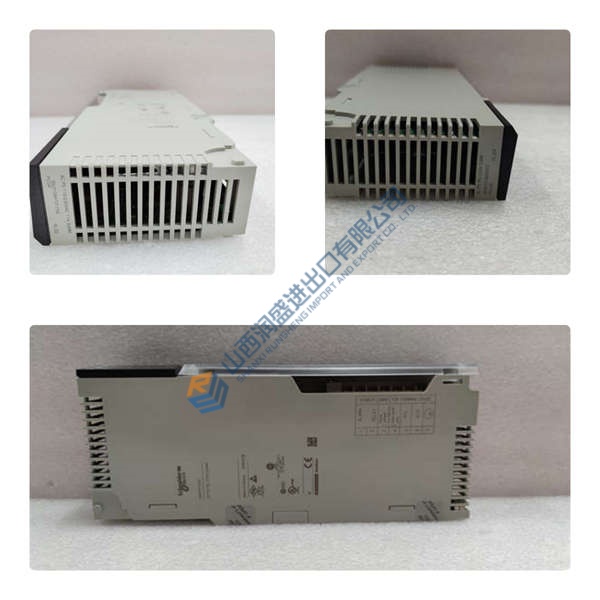
The ABB PNI800 is a dedicated plant network interface module engineered for ABB Symphony Plus distributed control systems (DCS). Acting as the communications backbone for HPC800 process controllers, this card links local control nodes to the high-speed PN800 system network and plant-level human-machine interface (HMI) consoles.
Built with dual-redundant Ethernet interfaces, the PNI800 ensures deterministic, high-throughput communication between process controllers, operations workstations, and engineering tools. It offloads network communication protocol processing from primary control units, maintaining low control loop execution times across power generation and continuous process plants.
Frequently Asked Questions
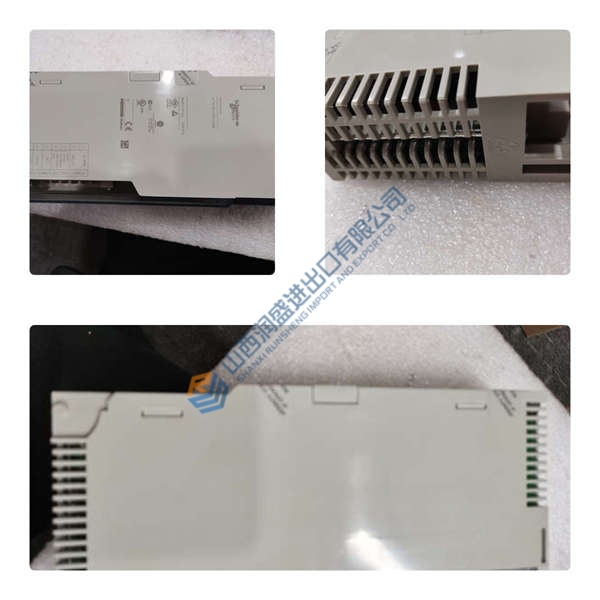
Q: How do you inspect and test replacement ABB PNI800 modules prior to shipment? A: Available inventory is sourced from verified new surplus or carefully decommissioned plant automation panels. Every ABB PNI800 module undergoes a rigorous 5-step SOP validation before dispatch:
- Inbound Physical Inspection: Verification of serial number labels, board revision codes, edge connector integrity, and housing latch functionality.
- Live Functional & Network Bench Test: Mounted in a Symphony Plus test rack to verify system boot sequence, dual Ethernet port handshakes, node address recognition, and continuous data transmission under network load over 24 hrs.
- Redundancy Switchover Test: Testing seamless network failover between Port A and Port B during simulated communication disruptions.
- Electrical & Megger Testing: Insulation resistance testing (>10 MΩ target at 500 V DC) and 24 V DC supply margin checks.
- Final QC & ESD Packaging: Cleared through final inspection, sealed inside anti-static ESD shielding bags, cushioned with heavy bubble foam packaging, and tagged with a physical QC Passed seal.
Q: Can I hot-swap the ABB PNI800 interface card while the control rack is energized? A: In a redundant controller or dual-network configuration, you can hot-swap a secondary network interface card without interrupting active process control execution. However, you must verify that the surviving network path is fully healthy and active before removing the module. In non-redundant setups, pulling the network card breaks HMI visibility and supervisory communication. Always follow plant safety protocols before extraction.
Q: What key technical pitfalls should engineers avoid during module replacement? A: Field engineers should keep five critical installation factors in mind:
- Node Addressing Switches: Verify hardware DIP switch or rotary switch settings on the module or baseplate to match the node address configured in S+ Engineering.
- Ethernet Cable Shielding: Use industrial-grade shielded twisted-pair (STP) patch cables grounded at designated panel grounding bars to prevent noise-induced packet loss.
- Baseplate Connector Alignment: Align the module carefully with the baseplate connector guides to avoid bending rear backplane contact pins.
- Power Margin Verification: Confirm that the 24 V DC power bus maintains a 20% operating margin to handle module inrush current during boot-up.
- Anti-Static Safeguards: Static discharge can ruin onboard network processing chips. Always wear a grounded anti-static wrist strap during card handling.
Q: Will replacing the PNI800 card require re-downloading the controller software logic? A: No. The application logic resides on the primary HPC800 process controller. The PNI800 functions as a communication interface card. Once installed and assigned the correct network node address, it automatically re-establishes communication with the system network and S+ Operations consoles.
Q: What replacement or upgrade options exist if this exact PNI800 module is unavailable? A: Direct replacement inside an existing Symphony Plus cabinet requires a matching PNI800 unit to fit the mounting baseplate and maintain network protocols. Upgrading legacy INFI 90 network interface modules (such as NIS21 or ICT01) to PNI800 hardware requires updating system baseplates, network switches, and engineering software definitions. Contact our technical team for migration guidance and surplus availability.