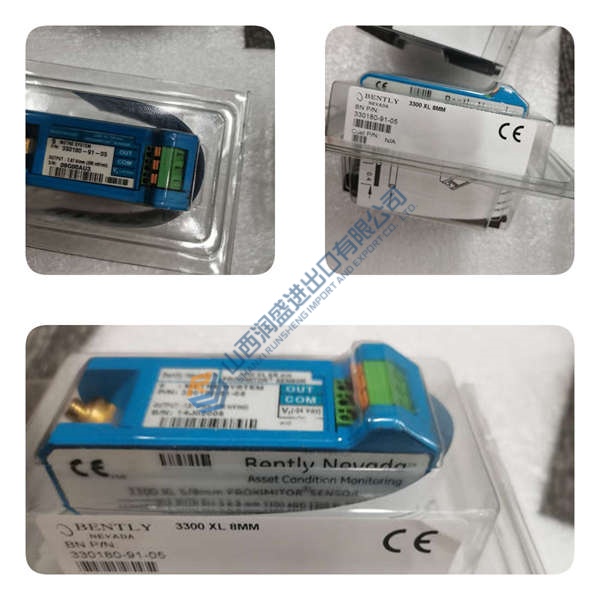
Description
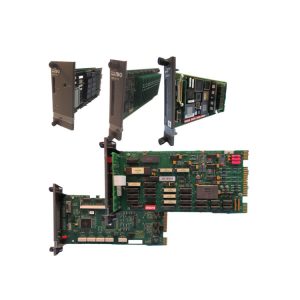
1900/65A-00-01-02-00-01 Bently Nevada machinery monitor provides continuous monitoring and protection for balance-of-plant rotating equipment like pumps, blowers, and small turbines. The system measures vibration, position, and temperature parameters to prevent catastrophic mechanical failures.
The hardware operates standalone or integrates directly into existing DCS/PLC systems using Modbus RTU communications. Its DIN-rail mounting options and built-in display simplify field installation while reducing cabinet space requirements and total protection system costs.
Quality Control Inspection & Testing Protocol
To guarantee field readiness without promising unrealistic failure rates, every surplus monitor undergoes a standardized five-step engineering inspection before shipment:
- Inbound Inspection: We verify customs documentation and check serial numbers against OEM anti-counterfeit records. Engineers conduct visual checks for board corrosion, pin damage, or enclosure scratches, confirming all terminal blocks match original specifications.
- Live Functional Testing: The unit mounts to an active test rack. We execute power-on self-tests, verify the display interface, establish a Modbus RTU handshake, and apply simulated sensor signals across all 4 analog channels alongside 24-hour load testing under nominal power.
- Electrical Verification: We measure insulation resistance using a 500 V Megger to verify >10 MΩ isolation. Grounding continuity checks ensure electrical safety compliance.
- Firmware Verification: Engineers read and record exact installed firmware versions (e.g., V3.2.0) using Bently Nevada software, creating a backup file and recording DIP switch positions before shipping.
- Final Packaging: Modules receive anti-static ESD shielding, protective bubble wrapping, and an individual QC Passed tag prior to dispatch.
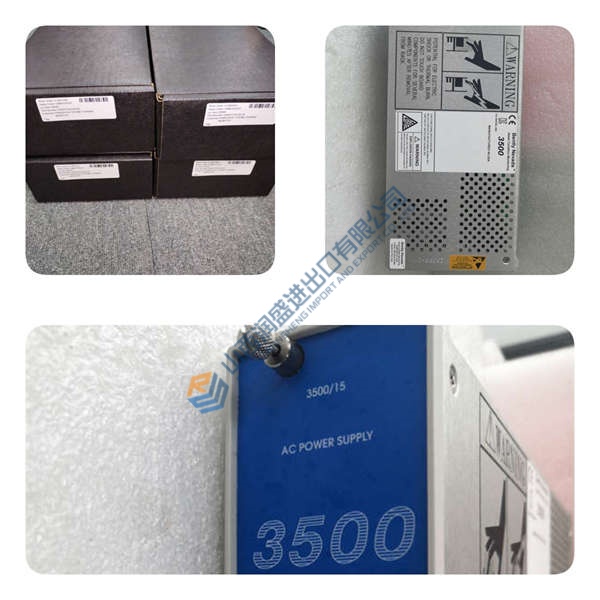
Technical Pitfalls & Integration Guide
Field replacements often trigger downtime due to avoidable integration errors. Review these critical steps prior to installation:
- Firmware Rev Mismatch: Always record firmware versions before replacing an existing unit. Newer firmware builds can reject legacy software configuration files or alter Modbus register addresses.
- DIP Switch/Jumper Settings: Photograph the hardware configuration of the failed unit before removing wiring. Match RS485 termination jumpers precisely; leaving a bus line unterminated will corrupt serial communications.
- Terminal Wiring Differences: Verify pinout diagrams against your wiring loom. Sub-model variations have subtle pin shift differences. Miswiring 24 VDC power into an analog input channel will destroy internal signal conditioning circuits.
- Power Supply Constraints: Calculate total power budget before adding modules. A 1900/65A unit under full load with active relays consumes significant current. Maintain a 20% power supply overhead margin.
- ESD Protection: Always wear a grounded ESD wrist strap during handling. Static discharge can instantly destroy sensitive internal amplifier stages on unshielded I/O terminals.
Q: Does this monitor support hot-swapping during active operation? A: Honestly, no. The 1900/65A module requires full power isolation before terminal disconnection or DIN-rail removal. Disconnecting live field wiring risks electrical shorting or false relay trips on downstream protection circuits. Always place associated machinery protection loops in manual bypass prior to service.
Q: Will I lose system configuration parameters when swapping out a failed unit? A: Yes, configuration parameters store inside the module’s onboard non-volatile memory. In our experience, the most common mistake is forgetting to export the existing software file (.190) via the 1900 Configuration Software before replacing the hardware. If the old unit is unresponsive, you must recreate the configuration file from original commissioning documents.
Q: Is this model obsolete, and what are my replacement options? A: While Bently Nevada phased out certain legacy configurations, this specific hardware monitor remains widely supported in surplus markets. Direct functional replacements require matching the exact ordering options (-00-01-02-00-01) to ensure identical display interfaces and power requirements. Verify system firmware before dropping in alternate sub-models.
Q: Are these units brand-new factory sealed or refurbished surplus? A: We source these as New Surplus stock derived from unused plant spares, project overruns, or canceled installations. Units are original factory hardware, complete with clean terminal blocks and unblemished casing, tested thoroughly to ensure proper functionality before inventory storage.