Description
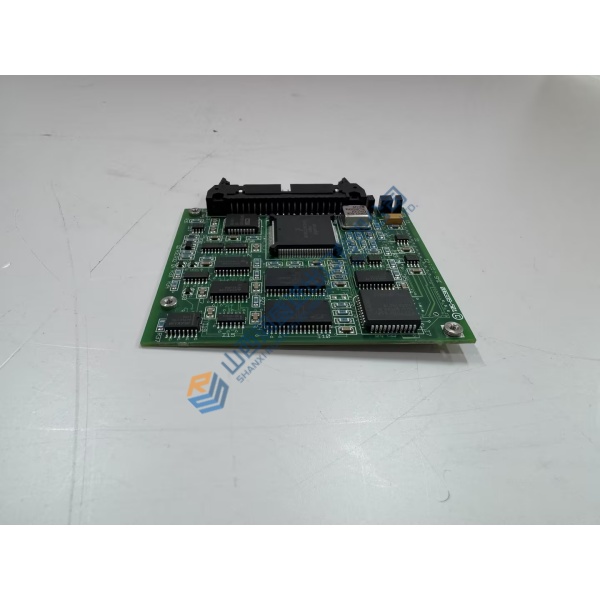
Honeywell LG1093AA26 (GE part number 261A1812P013) is a heavy-duty ultraviolet flame scanner sensor designed for industrial gas turbine combustors. This sensor detects light in the 1850 to 2600 Angstrom UV band emitted by burning hydrocarbons while remaining completely blind to background infrared radiation from red-hot combustor walls.
The unit acts as a primary safety instrument within GE Speedtronic turbine control systems to prevent fuel accumulation during startup and maintain trip protection during operation. Its rugged cold-cathode Geiger-Müller design delivers instant pulse output response to prevent catastrophic combustor reignition events.
Every module undergoes a strict quality control workflow before shipment to ensure operational reliability in the field:
- Inbound Inspection: We trace origin documentation against packing lists, inspect part numbers, verify anti-counterfeit markings, check for physical corrosion on the sensing head, and verify hardware revision codes.
- Live Functional Testing: The unit is mounted to a test fixture. We execute a power-on self-test, verify baseline communications handshake with the host monitor, test raw analog output signals, and run a continuous 24-hour stability check.
- Electrical Testing: We verify terminal pinouts and run insulation resistance testing using a 500 V Megger to ensure values exceed 10 MΩ to the grounding point.
- Firmware & Configuration Check: We read and record hardware revision data, verify calibration coefficients where applicable, and document switch settings.
- Final QC & Packaging: Cleaned units are packaged with anti-static shielding, wrapped in high-density foam, and marked with a QC Passed seal.
- Sight Glass & Optical Contamination: The most common cause of false “Flame Out” trips is soot, oil film, or moisture coating the quartz window on the turbine sight glass or scanner lens. Always inspect and clean optical pathways before replacing the sensor assembly.
- Thermal Stress & Cable Degradation: High ambient heat near the turbine combustor shell causes mineral-insulated or braided high-temperature cables to become brittle over time. Inspect cable insulation resistance and verify terminal tightness; intermittent grounds can trigger false pulse counts.
- Geiger-Müller Tube Aging & Baseline Drift: Gas-filled UV detector tubes naturally degrade over thousands of operating hours, shifting their pulse output rate. If swapping out an aged unit, document your Mark V/VI pulse count thresholds in the control logic before commissioning the replacement probe.
- Wiring & Shield Grounding Pinouts: Wiring the signal lines incorrectly or improperly grounding the outer braid shield will introduce electrical noise into the pulse line. Verify shield grounds tie back to a dedicated instrument earth point to avoid false flame readings.
- ESD and Handling Safeguards: The internal cathode elements are susceptible to high static charges and sudden physical shocks. Keep protective caps installed over the lens port during transport and handle with anti-static gear until final mounting.
Q: Is the Honeywell LG1093AA26 hot-swappable while the gas turbine is running?
A: No. Honestly, attempting to swap this sensor while the unit is firing carries severe safety risks due to high combustor pressure and live high-voltage excitation signals. The turbine line must be isolated, or the specific flame channel bypassed safely in accordance with plant safety procedures.
Q: Is the Honeywell LG1093AA26 a direct drop-in equivalent to GE part number 261A1812P013?
A: Yes. Honeywell is the original equipment manufacturer for GE under the 261A1812 series. Honeywell model LG1093AA26 directly matches GE part number 261A1812P013 in dimensions, thread pitch, optical response, and electrical pinouts.