Description
Product Introduction
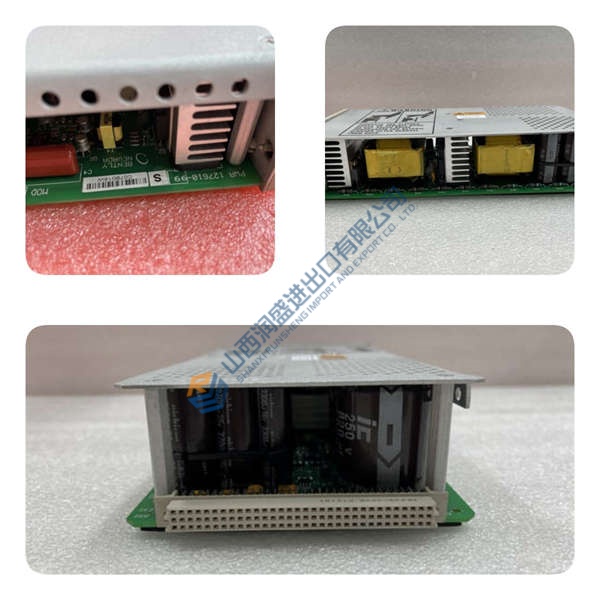
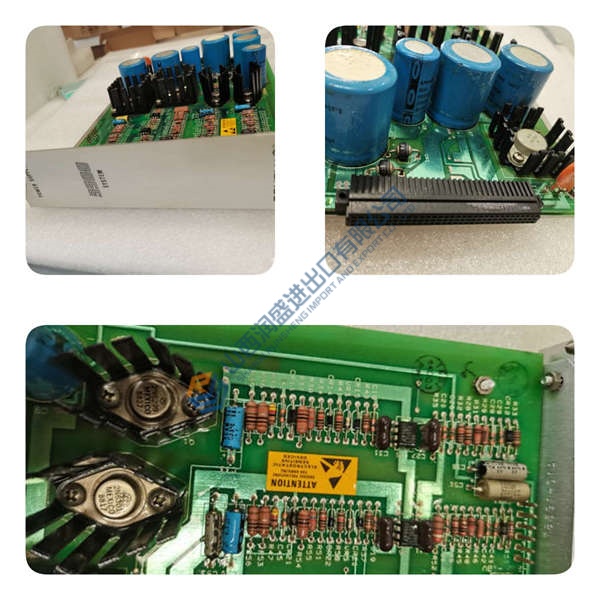
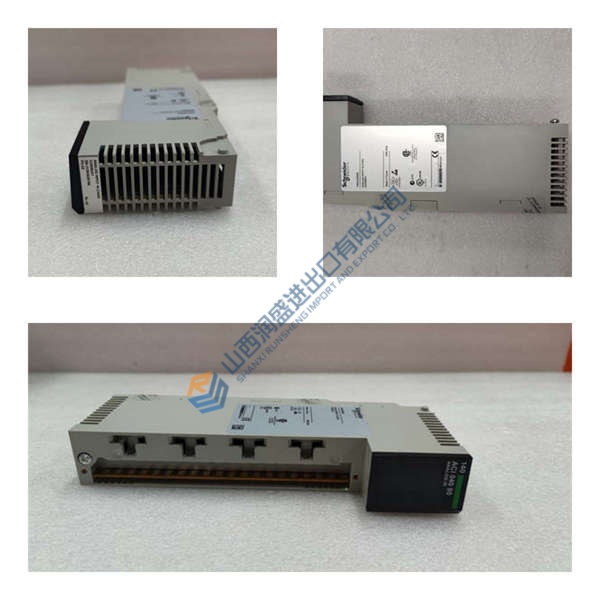
The ABB GFD563A102 (3BHE046836R0102) is an LCI converter interface (LIN) module for the AC 800PEC power electronics control platform, used to bridge control and high‑power converter sections in excitation/LCI drive systems. In generator excitation and large drive skids, this unit converts fiber‑optic control signals into gate/firing commands and collects fault and temperature feedback from power units.
In field deployments, the GFD563A102 typically runs off the 24 Vdc backplane at ≤5 W, with multi‑channel dual‑fiber transceivers and 5 kV AC isolation from the high‑voltage circuit. For exact pinout, fiber types, and firmware/parameter dependencies, confirm against the AC 800PEC documentation and the module nameplate before installation.
Key Selling Points & Differentiators
- Purpose‑built LIN interface: dedicated LCI converter interface for AC 800PEC excitation/LCI builds.
- Clear power/isolation profile: 24 Vdc backplane power at ≤5 W with 5 kV AC isolation from HV sections.
- Hot‑swap ready: DIN rail/rack mounting with hot‑swappable design for minimal downtime during replacement.
- Test evidence available: we can share power‑on LED behavior, fiber link checks, and a basic functional test report (photos/video on request).
- Versus other AC 800PEC I/O modules: the GFD563A102 is the LIN interface for LCI/Excitation; do not substitute generic I/O without engineering approval.
- Not recommended for: non‑AC 800PEC racks or systems without fiber‑optic control links—verify backplane and fiber interface in the hardware manual.

Frequently Asked Questions
Q1: Can I drop this GFD563A102 straight into my existing AC 800PEC rack?
A: Usually yes—if the slot is for a LIN interface in an AC 800PEC build and the backplane supply is 24 Vdc. Action: photograph the nameplate, note the existing module’s product ID (3BHE046836R0102) and revision, and match before hot‑swap.
Q2: What’s the difference between GFD563A102 and other AC 800PEC I/O modules?
A: GFD563A102 is the LCI converter interface (LIN) for excitation/LCI drives; other modules handle generic DI/AI/DO or comms. Action: confirm the exact catalog description (“LCI Conv. Interface (LIN)”) in the project BOM.
Q3: How do you verify firmware and configuration before shipping?
A: We read and record visible identifiers (product ID, revision), capture LED status and fiber link behavior, and log them in the test report. If your project requires a specific firmware baseline, tell us up front—we’ll verify or advise on loading.
Q4: What’s included in your QC process for stock spares?
A: Incoming traceability check, visual/label inspection, power‑on self‑test in a compatible test environment, fiber link handshake, spot checks of DI/DO behavior, and a 24‑hour run where applicable. Final packing: ESD bag, bubble wrap, carton, and “QC Passed” label with date.
Q5: Does this module support redundancy?
A: The LIN interface is designed for dual‑channel fiber links in LCI/Excitation systems; redundancy depends on the system architecture and controller pairing. Action: confirm redundancy topology in the AC 800PEC system design.