Description
Product Introduction
The ABB REF542PLUS 76A2NFFF30EWS28 is an integrated, multi-functional bay control and protection terminal designed for demanding medium-voltage power distribution applications. This specific variant, defined precisely by its alphanumeric hardware type-code 76A2NFFF30EWS28, acts as a centralized Intelligent Electronic Device (IED). It combines advanced overcurrent, differential, and directional protection curves with switchgear interlocking and telemetry processing, eliminating the need for multiple single-function relays.
Operating on a powerful real-time processing platform, this module samples high-speed analog current and voltage inputs to calculate true RMS values and execute trip parameters. The hardware configuration dictated by this specific type-code ensures seamless data flow over the internal backplane to integrated industrial communication boards. This allows the system to operate as a high-speed automation node within distributed control systems (DCS) and substation SCADA networks.
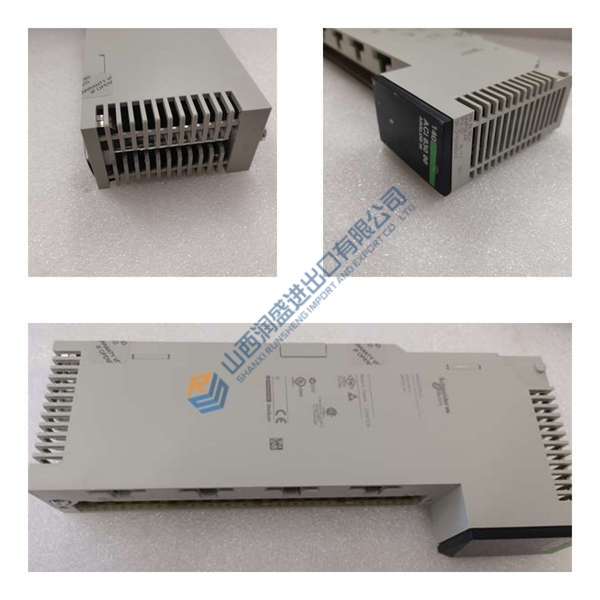
Quality Control & Inspection Standard Operating Procedure
To ensure field deployment readiness and remove reliability doubts regarding surplus protection infrastructure, this module undergoes our strict five-stage validation pipeline:
1. Inbound Inspection
- Type-Code Validation: Decoded cross-referencing of the full alphanumeric configuration string (76A2NFFF30EWS28) against OEM hardware manifests to confirm exact internal sub-board matching.
- Visual Verification: High-magnification check of the housing, terminal barriers, and internal PCB modules to verify zero surface oxidation, micro-fractures, or layout variances.
- Accessory Inventory: Verifying that all terminal plug blocks, side mounting clips, and jumpers match the initial factory bill of materials.
2. Live Functional Testing
- Test Rack Environment: Installation of the complete terminal into a live secondary injection bench linked to a computerized multi-phase network simulator.
- HMI Diagnostic Verification: Powering the unit to confirm proper liquid crystal display pixels, control button responses, and local-remote selector logic.
- Trip Logic Loop: Verifying that standard programmed overcurrent algorithms execute physical binary output relay closures within factory-specified millisecond tolerances.
- Burn-In Soak: Subjecting the entire energized assembly to a continuous load test loop for >24 hours to monitor power supply stability and prevent field startup dropouts.
3. Electrical Insulation Testing
- Megger Assessment: Utilizing a 500 VDC high-pot test between separate circuit groups and the metal frame enclosure to ensure isolation resistance measures >10 MΩ.
- Ground Track Mapping: Verifying that earth terminal low-resistance paths are intact to ensure safe diversion of electrical transients.