Description
Product Introduction
A processor board can pass startup diagnostics and still fail during commissioning if firmware or rack configuration is wrong. ABB PPD539A102 3BHE018522R0101 is used in ABB excitation and drive control systems where processor timing, deterministic communication, and stable backplane synchronization are required during continuous industrial operation.
From a maintenance and procurement standpoint, ABB PPD539A102 3BHE018522R0101 is typically selected when restoring an existing ABB control cabinet without redesigning the full automation structure. The unit is validated through controlled boot diagnostics, communication handshake checks, and extended runtime observation before shipment. Firmware compatibility with the installed system must be verified before installation.
In actual field replacements, the problem is often not the hardware itself. The module powers on normally, but synchronization fails because the installed firmware branch or parameter structure does not match the existing rack.
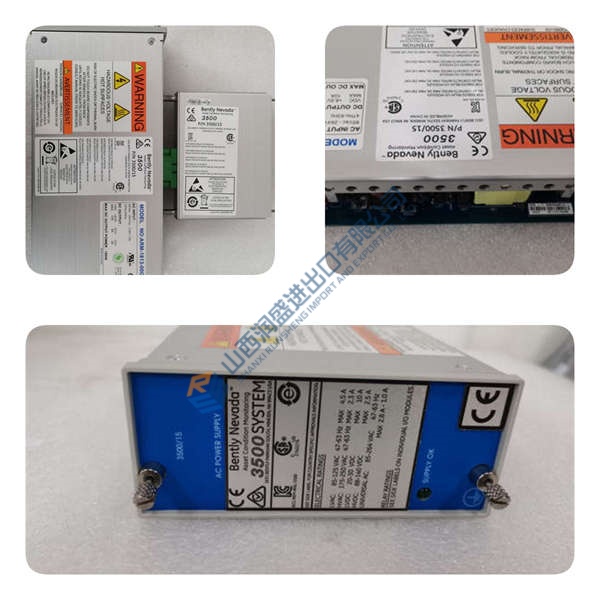
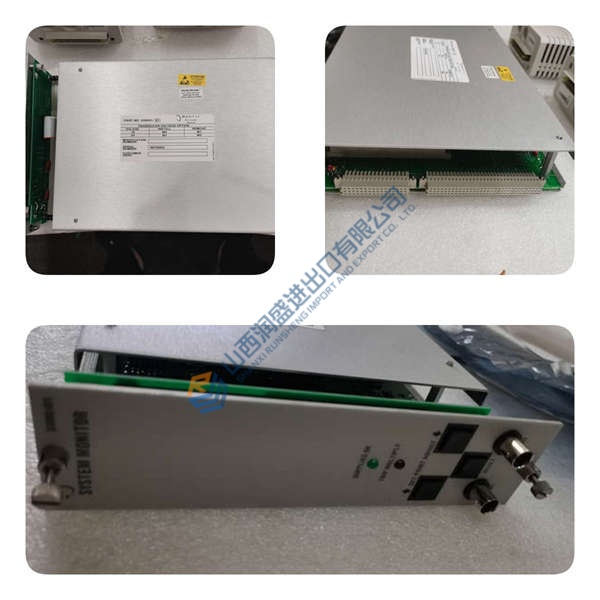
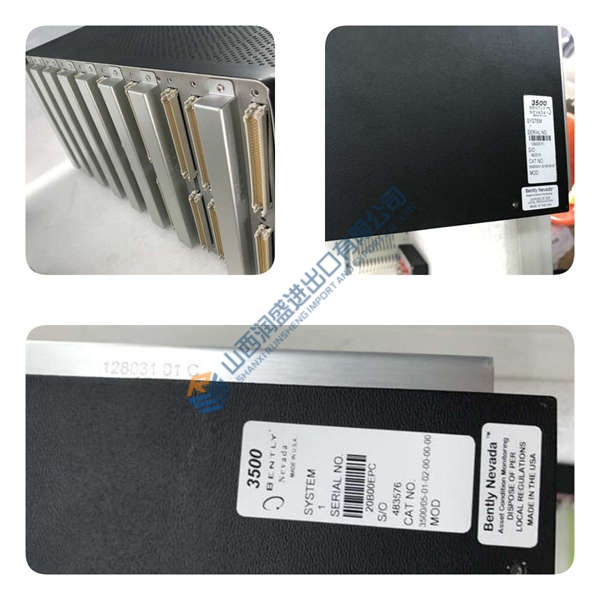
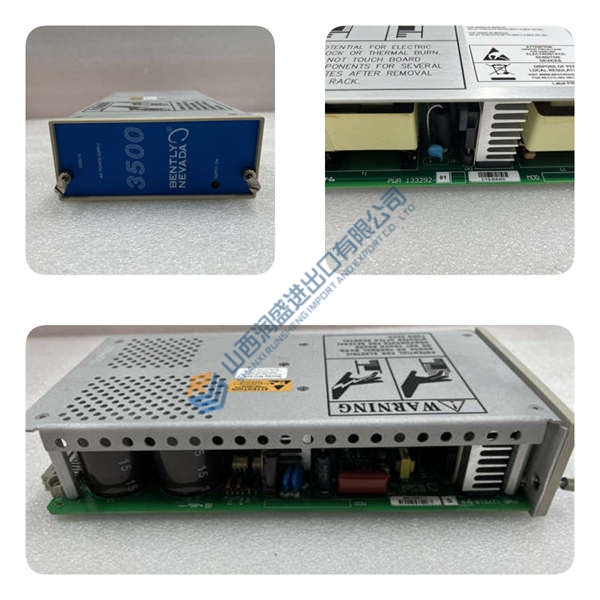
Incoming inspection follows a traceability-driven workflow. Serial labels are checked for consistency, enclosure condition is reviewed for corrosion, scratches, connector wear, UV aging, or repair marks, and any available documentation is logged. ABB PPD539A102 3BHE018522R0101 is only released when physical condition matches declared specification.
Functional testing is performed on a compatible industrial control test rack. Power-on verification includes LED status, boot sequence stability, and reset behavior validation. Communication handshake testing is performed where applicable using fieldbus simulation. ABB PPD539A102 3BHE018522R0101 is also run under continuous operation to observe thermal stability and long-duration reliability. Test reports and photo/video evidence can be provided upon request.
Electrical verification may include insulation resistance testing using a 500 V megger with target values above 10 MΩ where applicable. Ground continuity checks are completed before packaging. High-potential testing is only applied when technically appropriate for the device category.
Before shipment, firmware revision and hardware configuration are recorded. DIP switch and jumper positions are documented with photos where accessible. Final QC includes ESD-safe sealing, reinforced export packaging, and dated inspection labeling. The module passes functional verification at time of test; final compatibility must still be confirmed by the installer.