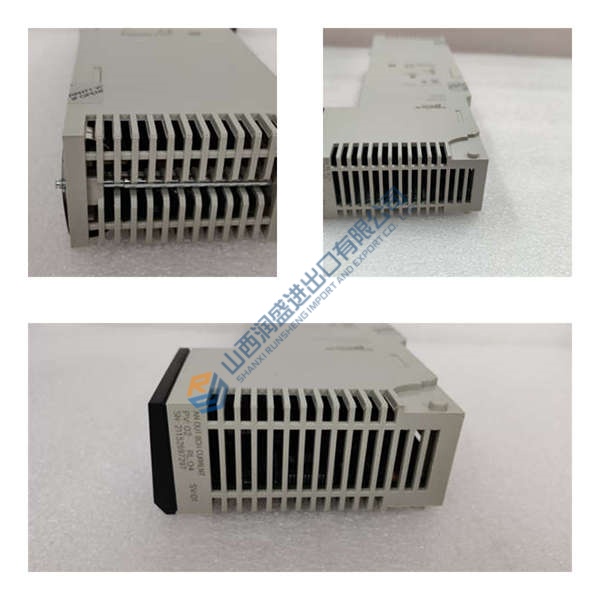
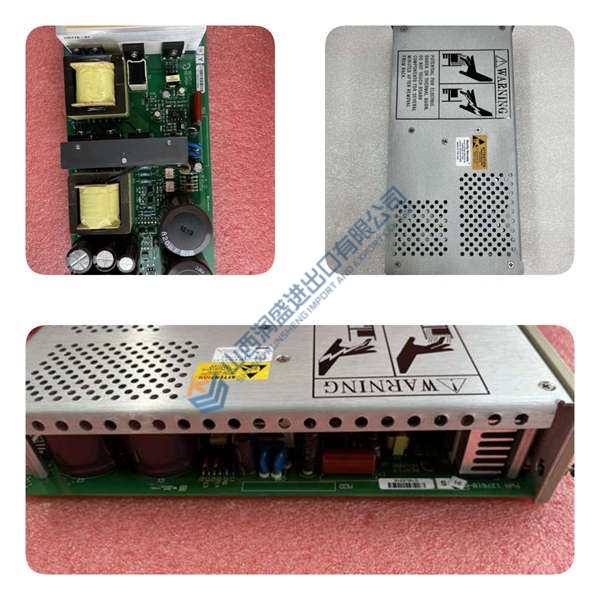
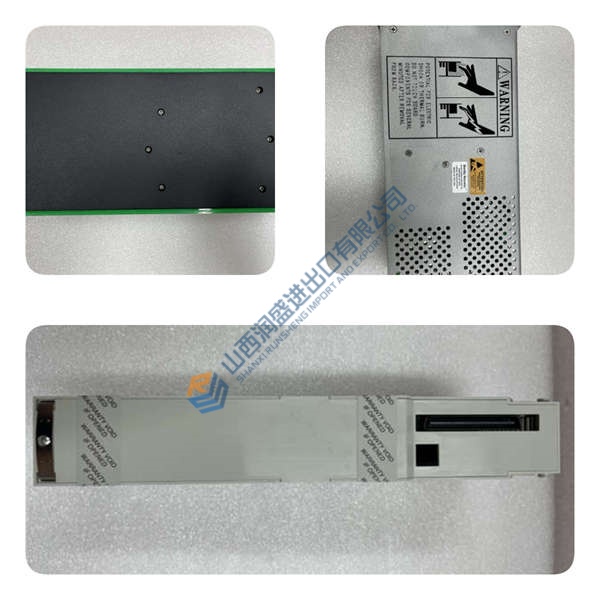
Description
Product Introduction
ABB REM620 is a dedicated motor protection and control relay engineered for demanding industrial motor applications in medium-voltage power systems. Featuring advanced thermal overload protection, short-circuit protection, phase-unbalance monitoring, and loss-of-load detection, this IED safeguarding large medium-voltage induction and synchronous motors. Operating on standard station auxiliary voltage systems, the relay communicates over native Ethernet using IEC 61850 substation automation standards. In field deployments of AC800M systems, reliable motor protection prevents catastrophic winding burnouts and unplanned production stops.
Replacing legacy protective relays during tight plant maintenance windows presents significant operational challenges. Designed with a withdrawal unit casing, the relay allows fast plug-in installation and removal without disconnecting CT secondary wiring loops. Is this design choice actually clever? Absolutely, because automatic CT shorting mechanisms prevent dangerous high-voltage inductive arcs during hot swaps. Listed pricing serves as reference only; actual market pricing varies with global stock levels. Contact our sales office today to request an official quote on available inventory.
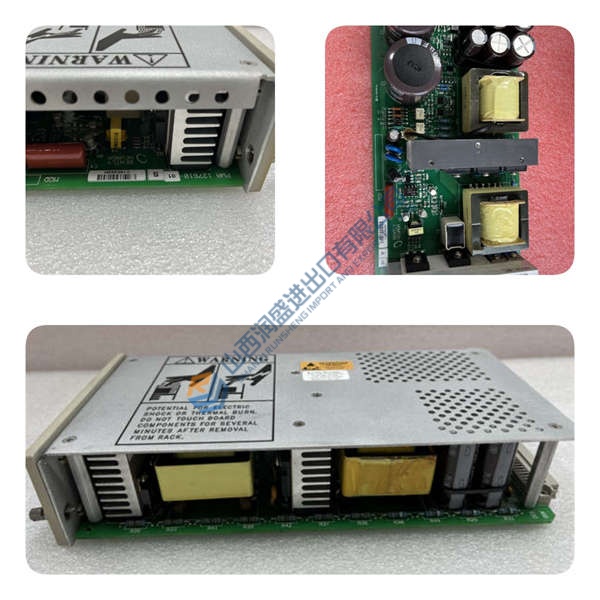
Quality Inspection and Verification SOP
In our testing facility, every incoming protection relay undergoes meticulous multi-point verification before entering stock. We inspect source documentation against OEM packing manifests and customs paperwork. Technicians perform anti-counterfeit checks, examining serial numbers, hardware configuration codes, and front panel sealing labels. Physical inspection confirms zero casing scratches, terminal strip damage, or LCD display discoloration.
Live functional testing begins by connecting the ABB REM620 to an adjustable station battery power supply while monitoring supply current draw with a Fluke 115 multimeter. Observing startup LED sequences, we initiate communication handshakes across Ethernet ports to PCM600 protection software. Technicians inject 3-phase secondary current and voltage signals using a calibrated Omicron relay test set, logging thermal curves and trip response times. Insulation resistance is verified using a 500 V megohmmeter to ensure terminal-to-earth ground isolation exceeds 10 MΩ. Firmware builds are recorded, and hardware DIP switches and terminal jumpers are photographed for client archives. Following final technician sign-off, the relay is sealed in an anti-static bag and boxed with high-density foam inserts. Test photos and raw video recordings remain available on request. Units are confirmed functional after completing all tests above.
Technical Pitfall Guide for Integration Engineers
Having supported dozens of substation protection upgrades, our engineering team highlights five critical mistakes that stall installations.
- Unopened CT Secondary Circuits: Removing a protection relay without verifying shorting-block status creates lethal open-circuit voltage spikes. Always verify CT shorting switches are firmly engaged before pulling the draw-out unit. Test current loop continuity prior to energizing the main feeder.
- Binary Input Voltage Matching Errors: Applying 220 V DC auxiliary signals to a binary input card configured for 24 V DC destroys input optocouplers instantly. Verify binary input threshold settings in PCM600 software before wiring field contact loops. Photo. Photo. Photo.
- GOOSE Messaging Subnet Misconfiguration: Misconfiguring VLAN tags or Multicast addresses prevents IEC 61850 GOOSE trip signals from reaching intertripping breakers. Verify Ethernet switch QoS settings and GOOSE publisher/subscriber datasets using a network packet analyzer. Confirm proper shield grounding to prevent signal corruption.
- Incorrect Motor Thermal Time Constant Setup: Programming thermal curve time constants ($t_6x$) without referencing the motor manufacturer data sheet causes nuisance trips during startup. Calculate motor thermal capacity limits and configure stall protection parameters matching cold/warm start curves.
- Electrostatic Discharge (ESD) Damage: Handling raw communication extension cards without grounding accessories risks damaging sensitive Ethernet PHY microchips — though your mileage may vary depending on ambient humidity. I watched an engineer skip the strap in January. The module smoked on power-up. $2,000 gone. Always wear an ESD wrist strap connected to panel ground.
Keep these five points in mind and you’ll cut 90% of your rework time.
Installation & Configuration Guide
Phase 1 — Pre-Installation (Estimated Time: 10 minutes)
De-energize auxiliary DC power supplies and trip upstream breaker control fuses. Short-circuit all secondary CT current injection terminals using test block plugs. Gather a 4 mm slotted screwdriver, ESD grounding strap, and PCM600 software laptop. Export existing protection parameter files (.pcmi) from the master database. Photograph original terminal block wiring, CT/VT wiring tags, and rear module arrangement.