Description
Product Introduction
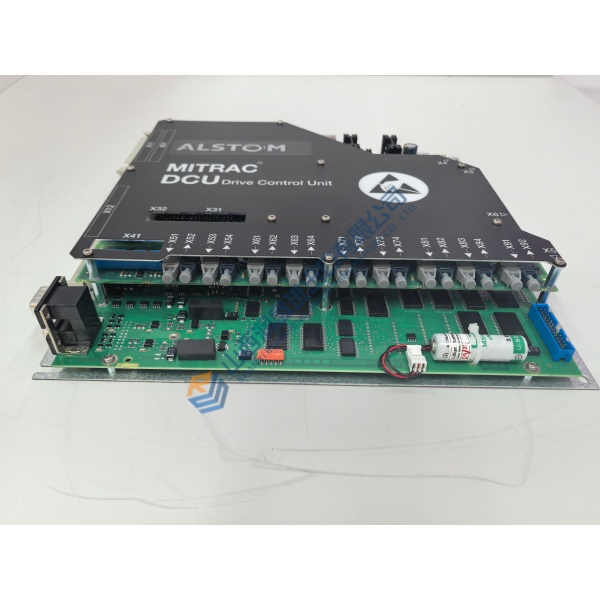
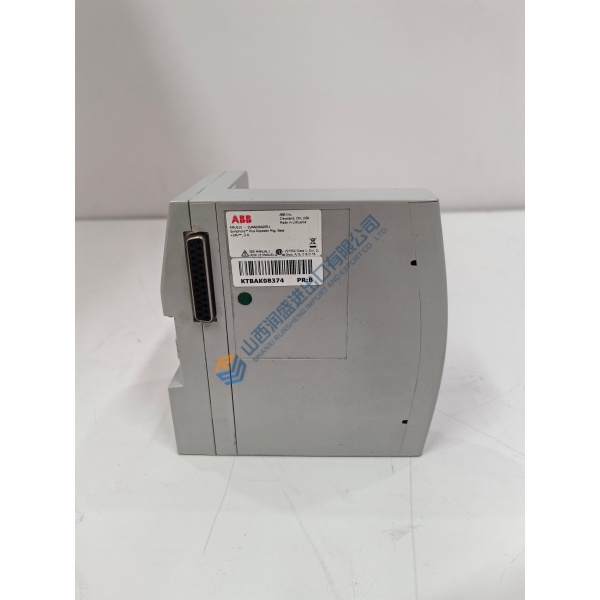
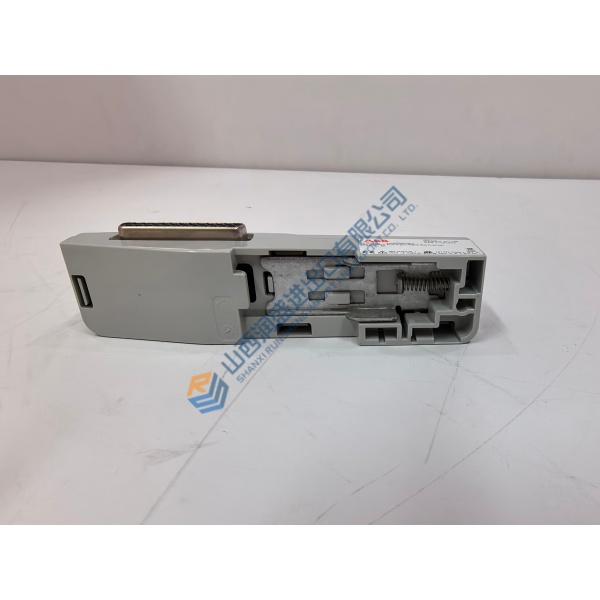
AMAT 0090-07393 is a dedicated controller board assembly manufactured for Applied Materials semiconductor processing equipment. The unit provides low-level real-time signal control, timing coordination, and communication interfacing within complex tool platforms like the Centura and Endura suites.
This controller board minimizes tool downtime through precise hardware integration and low-latency system communication. It offers direct drop-in functional support for legacy tool configurations, avoiding costly platform overhauls while preserving OEM signal accuracy.
Standard Quality Control SOP
To guarantee operational integrity and reliability, every surplus module undergoes a rigorous five-stage quality control process before dispatch:
- Inbound Inspection: We verify origin documentation, packing lists, and unique serial numbers against known counterfeit markers. Engineers conduct detailed visual checks under magnification to ensure zero surface corrosion, physical scratches, or component damage.
- Live Functional Testing: The unit is mounted to a dedicated simulation test rig. We execute a full power-on self-test (POST), confirm communication handshakes, perform full-scale analog and digital I/O testing, and run a mandatory continuous load test exceeding 24 hours.
- Electrical Testing: We measure insulation resistance using a 500 V Megger to confirm readings exceed 10 MΩ. Grounding continuity checks are performed to ensure circuit protection specs meet factory baselines.
- Firmware Verification: Engineers read and document the installed firmware version (e.g., V2.10). Configured DIP switch states and jumper configurations are backed up and cataloged for traceability.
- Final QC & Packaging: The module receives an electrostatic discharge (ESD) anti-static vacuum seal, heavy-duty bubble wrap, and an official QC Passed label prior to boxed shipment.
Technical Pitfall Guide
- Firmware Rev Mismatch: Installing a module with a different firmware build than your host system can cause boot failure or silent communication drops. Always document and backup the existing module firmware version before attempting a swap.
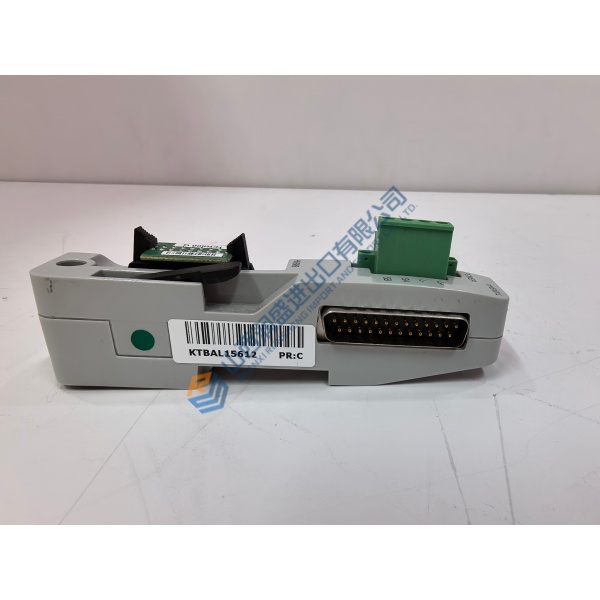
- DIP Switch / Jumper Errors: Hardware jumper configurations dictate network addressing and bus termination. Take high-resolution photos of the original PCB configuration to match jumper positions on the replacement unit exactly.
- Terminal Wiring Incompatibility: Re-pinning connectors during maintenance poses a major risk. Verify wiring diagrams against OEM schematics before applying power to prevent shorting sensitive logic circuits.
- Power Supply Constraints: Overloading the local 24 V DC power rail causes intermittent logic faults. Ensure your cabinet power supply retains at least a 20% operating margin after adding or energizing modules.
- ESD Protection: Semiconductor-grade controller boards use sensitive integrated circuits. Handling this board without a calibrated, grounded anti-static wrist strap can permanently destroy logic chips within milliseconds.