Description
Product Introduction
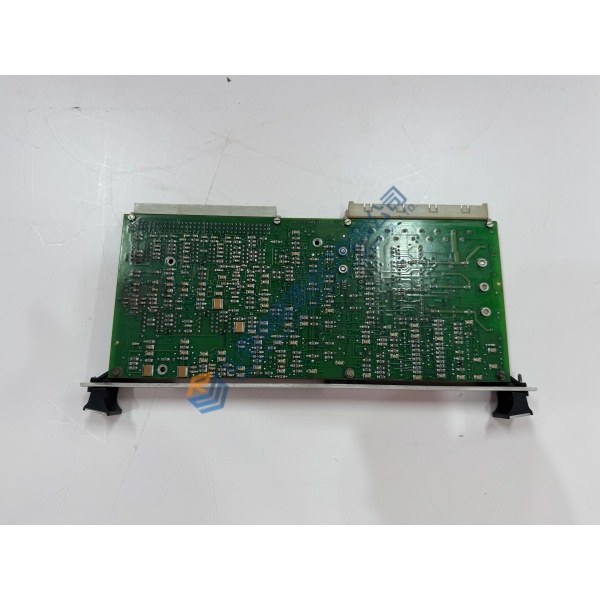
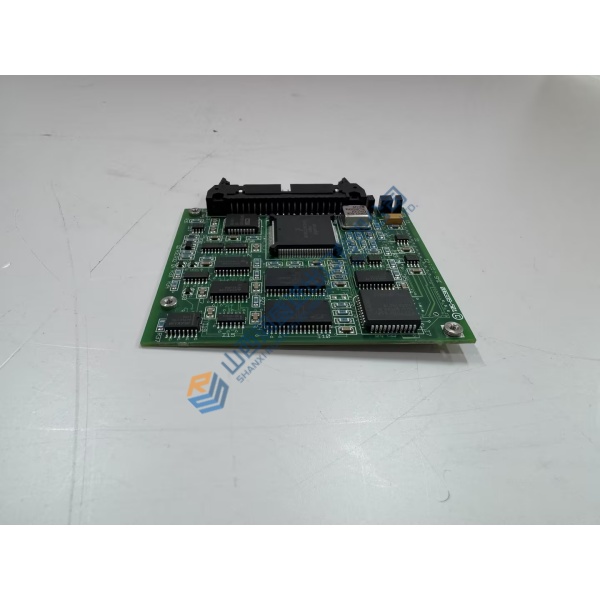
High-voltage signal surges and isolation breakdown in aging turbine panels cause sudden false trips and erratic sensor feedback. The GE DS3800NHVL high voltage circuit board resolves these signal instability issues by maintaining robust galvanic isolation between high-potential field devices and sensitive control logic.
Engineered for rugged SPEEDTRONIC turbine control racks, this board conditions input voltages and prevents high-energy transients from damaging upstream processor cards. In my experience, replacing a degraded high-voltage card with this module stops nuisance trip alarms and restores steady voltage feedback loops across your control panel.
Installation & Configuration Guide
Phase 1 — Pre-Installation (est. 10 min): Lock out main line supply power to the turbine panel and wait 5 minutes for high-voltage capacitors to discharge fully. Use a Fluke 115 multimeter to confirm zero potential across terminal points before touching any wiring. Photograph all jumper switch locations, wire connector labels, and board mounting positions prior to removal.
Phase 2 — Removal (est. 5 min): Carefully disconnect high-voltage terminal plugs and low-voltage ribbon connectors. Remove the corner retaining screws securing the board to the panel standoffs, then lift the card straight out to prevent component snagging. Inspect the mounting area for carbon traces or heat degradation.
Phase 3 — Installation (est. 10 min): Strap on an ESD grounding wrist band before opening the static-shielding bag. Verify the model number matches your panel schematics. Replicate all jumper configurations from your original photographs. Place the card on the chassis standoffs, tighten retaining screws to 0.4 N·m, and reconnect all wiring harnesses securely.
Phase 4 — Power-On & Testing (est. 15 min): Re-energize panel logic power while holding high-voltage lines offline, observing status LEDs for proper startup sequences. Check control bus voltage levels for 24 V DC and 5 V DC stability. Apply main operating voltage, perform a functional signal loop test, and monitor system operation for 30 minutes to confirm stable performance.
Troubleshooting Quick-Reference:
- High voltage fault LED on → Check field wiring isolation and inspect external surge arrestors.
- No status indication → Verify 24 V DC auxiliary logic supply power to the board.
- Signal conversion drift → Test single-point ground connection and shield bar continuity.
FAQ
Can I just drop this in and go? Not immediately, because hardware jumpers dictate board isolation levels and channel configuration settings. Match all jumper positions on the new board to your old board before powering up the panel.
Is the DS3800NHVL board compatible across different SPEEDTRONIC generations? Well, technically it was designed for Mark IV and early Mark V architectures, but physical pinouts and voltage ratings must be verified against your specific panel schematic.