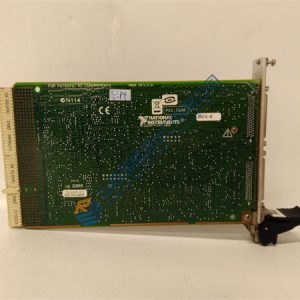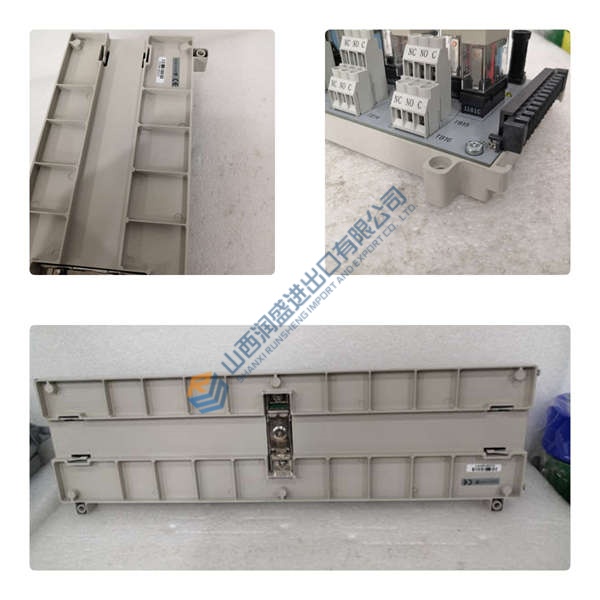
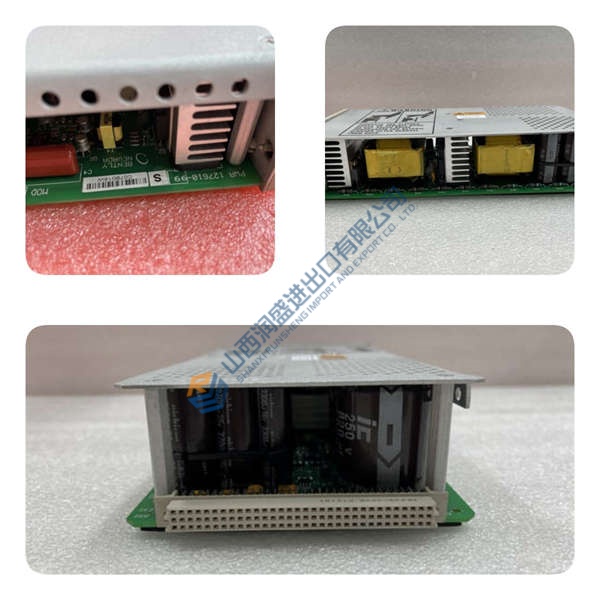
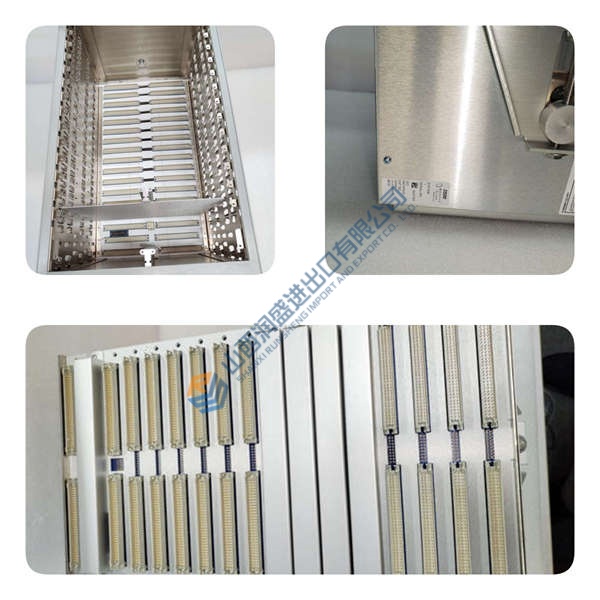
Description
Product Introduction
GE Hydran 201Ti is an online dissolved gas transmitter designed to detect developing electrical and thermal faults in oil-filled power transformers. The unit mounts directly onto a transformer sampling valve to continuously analyze composite gas accumulation without mechanical pumps or external piping.
This sensor utilizes a gas-permeable membrane and fuel cell mechanism that responds rapidly to key fault gases like hydrogen and carbon monoxide. By providing serial Modbus telemetry and local dry-contact alarm triggers, the system helps substation teams prevent catastrophic failures before scheduled oil sampling intervals.
Frequently Asked Questions
Q: Are these units factory-new or surplus, and how do you test them?
A: Because OEM production for this series is discontinued, available units are sourced from verified new surplus or reconditioned stock. Every GE Hydran 201Ti undergoes a strict 5-step SOP validation before dispatch:
- Inbound Inspection: Customs origin verification, serial number authenticity validation, membrane seal checks, and visual housing examination.
- Live Functional Testing: Installed on a fluid calibration rig to test power-on self-diagnostics, RS-485 Modbus handshake, and gas detection response over a 24-hr load run.
- Electrical Testing: Insulation testing at 500 V Megger (>10 MΩ) and grounding continuity testing across the NEMA enclosure.
- Firmware Verification: Reading and recording installed firmware versions, verifying alarm setpoints, and archiving configuration data.
- Final QC & Packaging: Anti-static sealing, heavy bubble wrapping, and affixing a formal QC Passed badge.
Q: Does the GE Hydran 201Ti support hot-swapping on a live transformer valve?
A: No, you should not attempt electrical or mechanical hot-swapping under live load. Always isolate the 120/240 V AC supply voltage before opening the unit cover. While the transformer itself can remain energized if the sampling valve is closed, opening oil lines without taking proper vacuum and pressure isolation precautions can contaminate the internal membrane or leak hot transformer oil.
Q: What technical pitfalls should field technicians watch out for during replacement?
A: In our field experience, five critical mistakes cause installation delays:
- Firmware Rev Mismatch: Installing replacement hardware with older firmware can disrupt SCADA polling over RS-485. Record current firmware and address settings from the original unit.
- DIP Switch & RS-485 Jumpers: Verify termination resistors and node addresses on the main circuit board before applying bus power.
- Terminal Block Wiring: Check the relay contact pinouts (SPDT NO/NC) against your station alarm panel drawings to prevent false trips.
- Power Supply Constraints: Ensure supply power matches the 120/240 V AC selector switch setting; incorrect voltage selection will blow internal fuses.
- ESD Protection & Membrane Handling: Touching the gas-permeable membrane or circuit board with bare hands can cause ESD damage or membrane oil contamination. Always wear an anti-static wrist strap.
Q: Will I lose historical trend logs when replacing a failed GE Hydran 201Ti?
A: Onboard history logs (up to 12 months) are stored in the internal non-volatile memory of the local transmitter. If the old transmitter board is completely unreadable, historical data stored locally on that specific module cannot be recovered unless it was previously polled and saved to your central SCADA host or Hydran host software.
Q: What direct replacement options exist if this exact model is unavailable?
A: Direct replacement inside the same series requires matching the NPT valve mount size (1-inch, 1.5-inch, or 2-inch) and output protocol. Newer GE monitoring models or multi-gas DGA platforms (such as the Hydran M2 or Transfix series) require updating cable harnesses, mounting adapters, and SCADA polling drivers. Contact our engineering team with your transformer nameplate data for migration support.