Description
Product Introduction
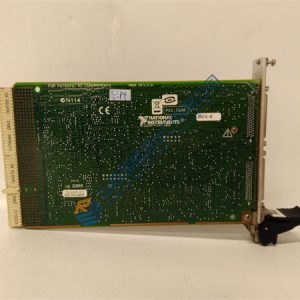
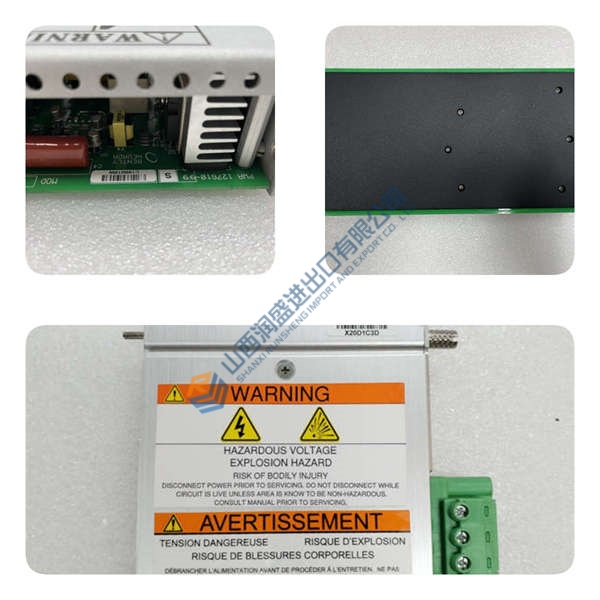
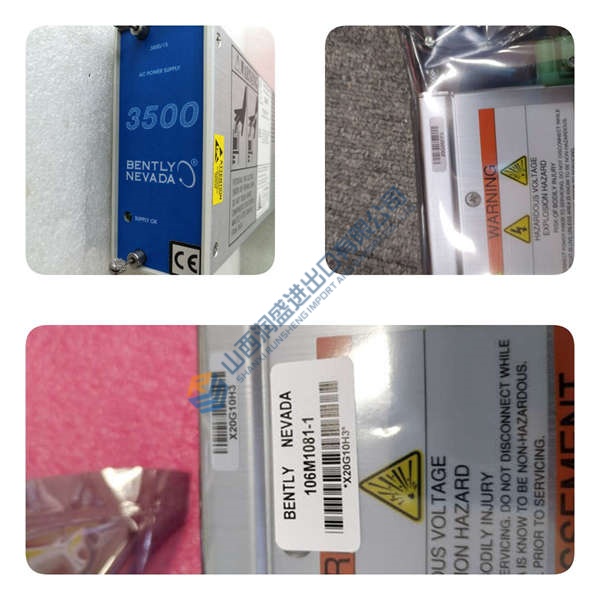
GE IS200JPDFG1ACC is a high-reliability power distribution board designed for GE Speedtronic Mark VI and Mark VIe gas and steam turbine control systems. This module routes primary 125 V DC and 24 V DC power buses to various control racks, I/O packs, and field contact conditioning modules throughout the turbine control cabinet.
The board incorporates individual branch fusing equipped with visual LED blown-fuse indicators and integrated diagnostic feedback relays. Its passive board architecture ensures clean power delivery with low voltage drop, protecting critical control processors and trip solenoids against downstream short circuits.
Frequently Asked Questions
Q: Are these boards new surplus, and what is your testing procedure before shipment? A: Because OEM production for Mark VI hardware is discontinued, available units are sourced from verified new surplus or decommissioned warehouse stock. Every GE IS200JPDFG1ACC undergoes a strict 5-step SOP validation before dispatch:
- Inbound Inspection: Traceability documentation check, anti-counterfeit serial verification, inspection for trace oxidation or physical stress, and fuse-holder clip mechanical check.
- Live Functional Testing: Installed on a dedicated Mark VI power test rack, applying nominal 125 V DC and 24 V DC inputs to verify branch output voltages, alarm relay activation, and active diagnostic handshakes over a 24-hr load run.
- Electrical Testing: Insulation resistance testing with a 500 V Megger (target >10 MΩ) and grounding continuity verification across power traces.
- Firmware & Rev Verification: Confirming PCB revision artwork (G1ACC revision code) and recording fuse rating configurations.
- Final QC & Packaging: Sealed inside anti-static shielding bags, wrapped with heavy bubble cushion, and labeled with a physical QC Passed tag.
Q: Can I hot-swap the GE IS200JPDFG1ACC while the turbine control panel is running? A: No, you must never hot-swap this power distribution board while the system is energized. Pulling live power connectors or fuse blocks under load will cause severe electrical arcing, potential DC bus shorting, and instant trip of connected Mark VI controller racks. Always isolate the main DC supply breakers before replacing the board.
Q: What are the primary technical pitfalls to avoid when installing this module? A: In our field service experience, engineers encounter five main mistakes during replacement:
- Revision Code Mismatch: Ensure you match the exact board suffix (G1ACC). Mixing board revisions can result in differing connector terminal assignments or fuse block pinouts.
- Fuse Rating Errors: Verify that replacement fuse ratings match the original loop requirements exactly. Inserting incorrect fast-blow or slow-blow fuses can cause nuisance trips or trace damage.
- Wiring & Terminal Tightening: Ensure screw-terminal torque matches specification. Loose wiring leads to local heating and voltage drops under heavy DC load.
- Power Supply Margin: Confirm your main DC power supply maintains at least a 20% current margin to handle inrush when re-energizing multiple downstream I/O racks.
- ESD Protection: Static electricity can compromise sensitive diagnostic monitoring circuits on the board. Always wear a grounded anti-static wrist strap during installation.
Q: Will changing this power board wipe the turbine control application program? A: No. The board is a passive power distribution component and does not contain non-volatile runtime memory or software logic. Control logic resides in the main Mark VI VME processor modules. However, removing power from the system during replacement will temporarily shut down connected control loops, so the unit must be replaced during a planned maintenance outage.
Q: What are the migration options if this board model is completely out of stock? A: Direct replacements within the Mark VI framework require matching the exact JPDF board topology and physical terminal footprint. Upgrading to newer Mark VIe or Mark VIeS power distribution architectures requires replacing power cables, mounting hardware, and updating cabinet power routing drawings. Contact our technical team with your cabinet layout drawing for retrofit options.