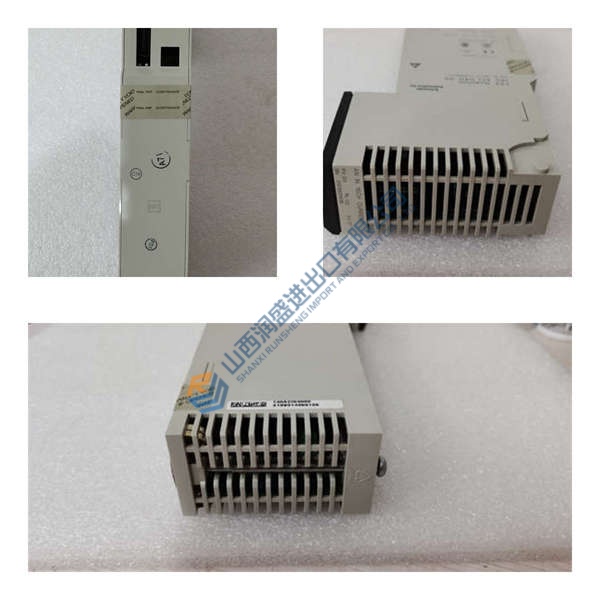
Description
Key Technical Specifications
• System Compatibility: Speedtronic Mark VI Control System • Board Type: Vibration Input Terminal Board (TVBA) • Supported Sensors: Proximitor probes, seismic vibration pickups, accelerometer sensors • Connection Terminals: High-density barrier terminal blocks for field sensor leads • Diagnostic Ports: Front-panel BNC connectors for real-time oscilloscope or analyzer monitoring • Cable Interfaces: Multi-pin cable connectors to VVCI / VVCP vibration processor cards • Operating Temperature: -30 °C to +65 °C • Relative Humidity: 5% to 95% non-condensing • Board Protection: Standard industrial-grade conformal coating
Product Introduction
GE IS200TVBAH2ABB is a specialized vibration input terminal board engineered for GE Speedtronic Mark VI gas and steam turbine protection systems. This board acts as the primary hardware interface for proximity probes, accelerometers, and seismic sensors, conditioning dynamic mechanical vibration signals before passing them to central processing modules.
The unit features integrated front-panel BNC diagnostic connectors, allowing maintenance technicians to connect external vibration analyzers without disturbing active field wiring. Its noise-shielded PCB layout isolates sensitive sensor loops from electromagnetic interference, ensuring accurate monitoring during transient turbine startups.
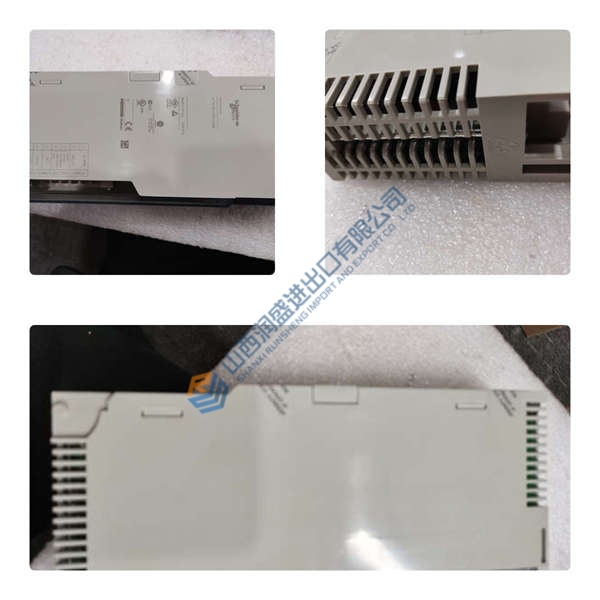
Frequently Asked Questions
Q: How do you verify and test a surplus GE IS200TVBAH2ABB module before shipping? A: Because OEM production for this series has ended, available inventory consists of tested new surplus or decommissioned warehouse stock. Every GE IS200TVBAH2ABB undergoes a strict 5-step SOP validation process:
- Inbound Inspection: Verification of origin documentation, anti-counterfeit serial inspection, visual PCB trace check, and terminal block mechanical verification.
- Live Functional Testing: Installed on a dedicated Mark VI vibration test bench to verify signal conditioning, BNC diagnostic port output, and active channel communication over a 24-hr load run.
- Electrical Testing: Insulation resistance testing with a 500 V Megger (>10 MΩ target) and grounding continuity checks across shield terminals.
- Hardware Verification: Recording factory revision codes (H2ABB revision artwork) and verifying onboard passive components.
- Final QC & Packaging: Sealed in anti-static shielding bags, cushioned with heavy bubble wrap, and labeled with a physical QC Passed tag.
Q: Can I hot-swap the GE IS200TVBAH2ABB while the turbine is running? A: No, you must never attempt to hot-swap this vibration terminal board while the turbine is online. Disconnecting or plugging vibration sensor channels under power causes signal transients that can trigger false high-vibration trips on connected Mark VI processor modules. Always lock out active control loops and isolate power before servicing the card.
Q: What are the main installation pitfalls to avoid during field replacement? A: In our field service experience, engineers encounter five critical mistakes during replacement:
- Revision Code Mismatch: Confirm that your replacement matches the exact suffix (H2ABB). Suffix variations can alter internal sensor power routing or pin assignments.
- Sensor Shield Grounding: Ensure field cable shields are landed strictly according to system drawings to prevent ground loops from corrupting high-frequency vibration signals.
- Terminal Screw Torque: Over-tightening screw terminals can crack internal PCB traces, while loose terminals lead to signal dropouts and nuisance alarms.
- Cable Latching: Verify that multi-pin ribbon cables connecting the terminal board to the VME rack card are fully latched and strain-relieved.
- ESD Protection: Static discharge can damage onboard signal conditioning chips. Always wear a grounded anti-static wrist strap when touching the board.