Description
Product Introduction
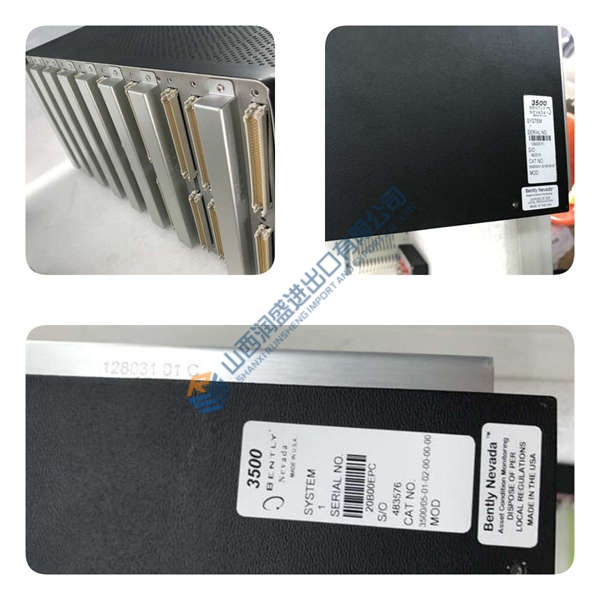
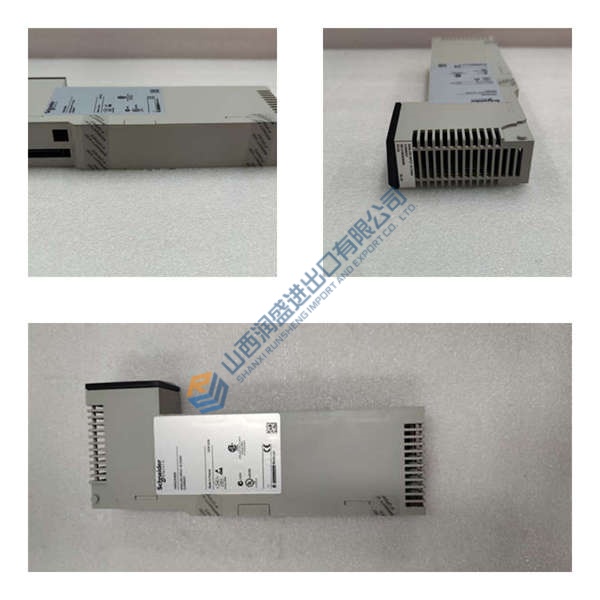
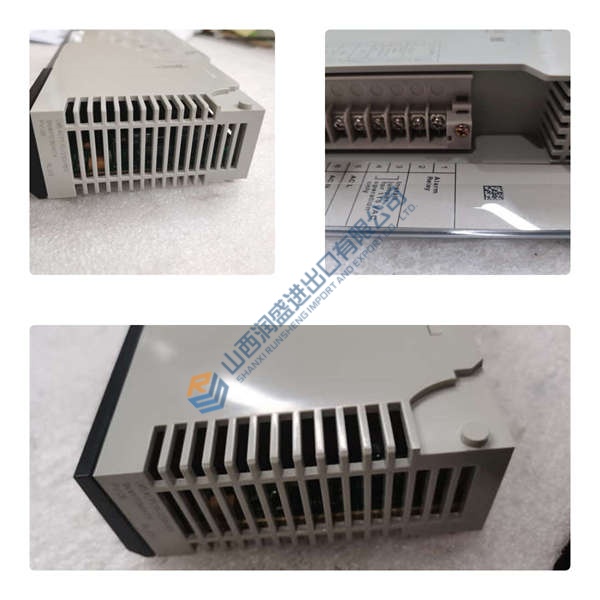
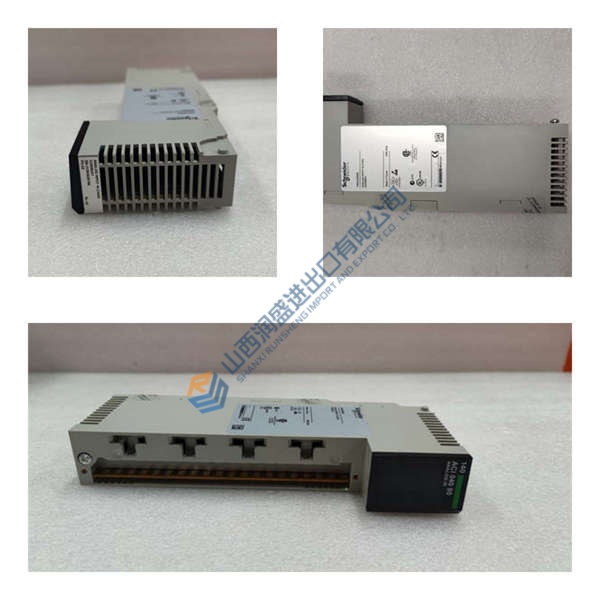
GE IS215VPROH1B is a dedicated emergency protection VME board designed for GE Speedtronic Mark VI gas and steam turbine control systems. Operating as an independent hardware layer within a Triple Modular Redundant (TMR) rack architecture, this module monitors pulse inputs from magnetic speed pickups to execute hardware-level trip commands during overspeed conditions.
The unit slides into standard 6U VME rack slots, establishing high-speed backplane links with controller cards and hardwired cable connections to TREG or TREA trip terminal boards. By segregating safety-critical overspeed algorithms from standard process control loops, the module prevents unit damage without relying on software network availability.
Frequently Asked Questions
Q: How do you verify and test a surplus GE IS215VPROH1B module prior to shipment? A: OEM manufacturing for Mark VI VME cards has ceased, so available units are sourced from verified new surplus or decommissioned turbine panels. Every GE IS215VPROH1B undergoes a strict 5-step SOP inspection process before dispatch:
- Inbound Inspection: Traceability checks, serial number authenticity validation, visual PCB trace inspection, and VME backplane connector pin checks.
- Live Functional Testing: Installed on a Mark VI VME test rack using a signal generator to simulate 0–15,000 Hz pulse inputs, testing overspeed trip thresholds and relay actuations over a 24-hr load run.
- Electrical Testing: Grounding continuity checks and insulation resistance testing using a 500 V Megger (>10 MΩ target).
- Firmware & Revision Verification: Documenting installed firmware versions, hardware revision codes (H1B suffix), and verifying backplane handshakes.
- Final QC & Packaging: Sealed inside anti-static shielding bags, cushioned with heavy bubble wrap, and labeled with a physical QC Passed tag.
Q: Can I hot-swap the GE IS215VPROH1B while the turbine is online? A: Honestly, you should never pull a VPRO board on an active turbine without verifying TMR health first. In our experience, the most common mistake is unseating the board in a Simplex or degraded system, which immediately drops the 2-out-of-3 voting logic and trips the master fuel valve. Verify in Cimplicity/ControlST that the remaining two protection channels are fully online and healthy before removing the card.
Q: What technical pitfalls should engineers avoid when replacing this unit? A: Field engineers should keep five critical installation rules in mind:
- Revision Code Mismatch: Ensure you match the exact board suffix (H1B). Variances in PCB revisions can alter onboard jumpers or terminal routing mappings.
- VME Backplane Seating: Ensure ejector handles are fully engaged and locked; partially seated VME pins cause intermittent backplane communication faults.
- Speed Pickup Shielding: Verify that magnetic pickup cable shields land at designated terminal points to prevent ground loops from distorting pulse signals.
- Power Supply Margin: Confirm that cabinet 24 V DC auxiliary and VME backplane supplies maintain a 20% power margin.
- ESD Protection: Static discharge destroys sensitive pulse counter ICs. Always wear a grounded anti-static wrist strap during installation.