Description
Product Introduction
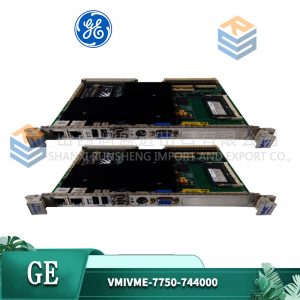
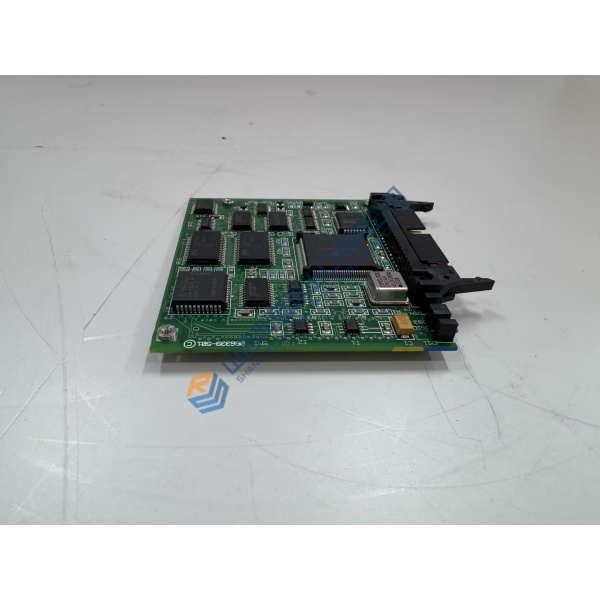
A failed safety controller can leave critical protection loops unprotected on a gas or steam turbine. The GE IS420UCSBS1A is the UCSB (Universal Controller Single Board) safety controller module used in Mark VIeS systems. It executes safety application code for SIL 2 and SIL 3 functional safety loops under IEC 61508.
The module is fully self-contained: built-in power supply, no backplane, no battery, and no jumper settings. It runs the QNX Neutrino real-time operating system on a 600 MHz Intel EP80579 processor and communicates with I/O packs over the onboard IONet. Supports simplex, dual, or TMR configurations. Listed price is reference only—request a quote for current market conditions.
Installation & Configuration Guide
Phase 1 — Pre-Installation (est. 10–15 min)
De-energize the control cabinet and follow lock-out/tag-out. Tools: ESD wrist strap, insulated tools, laptop with ToolboxST / ControlST software, multimeter. Export the existing safety application and note all network and power connections. Photograph the module orientation, Ethernet/IONet ports and mounting.
Phase 2 — Removal (est. 5–10 min)
Label every cable. Disconnect 28 VDC power, IONet/Ethernet links and any USB/COM connections. Release the mounting hardware and withdraw the module. Cap open connectors and inspect the mounting area for damage or contamination.
Phase 3 — Installation (est. 10 min)
ESD protection first. Confirm the part number is IS420UCSBS1A. Mount the module, reconnect power and all communication cables exactly as photographed. No jumper settings are required.
Phase 4 — Power-On & Testing (est. 20–30 min)
Apply 28 VDC. Observe status LEDs and system diagnostics. Download or verify the safety application via ToolboxST, confirm IONet communication to I/O packs, and force-test key safety functions. In redundant configurations verify synchronization. Run stable >30 min and log the change in the safety system record.
Troubleshooting quick-reference:
- Module not recognized → check 28 VDC supply and network cables
- IONet faults → verify cable integrity and partner modules
- Application download fails → confirm software version and flash status