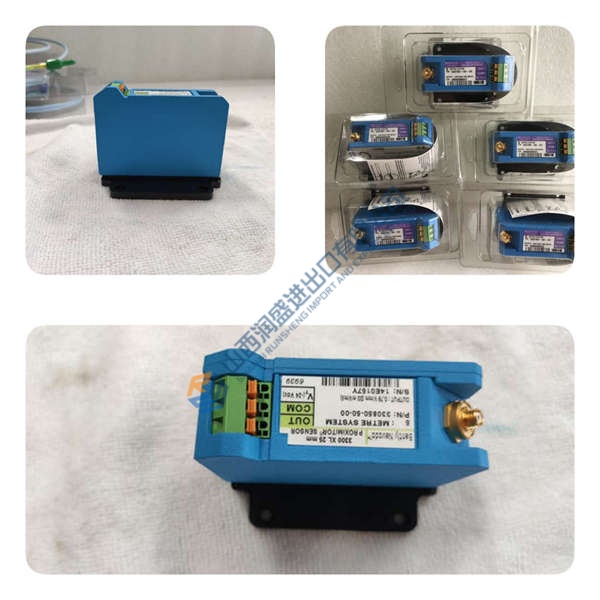
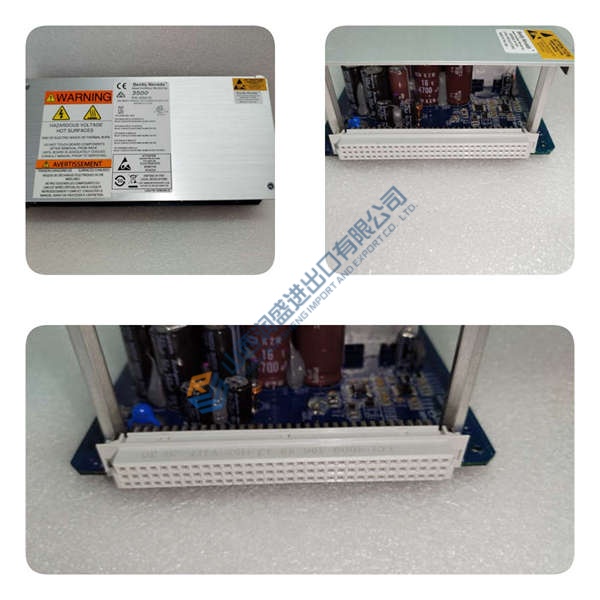
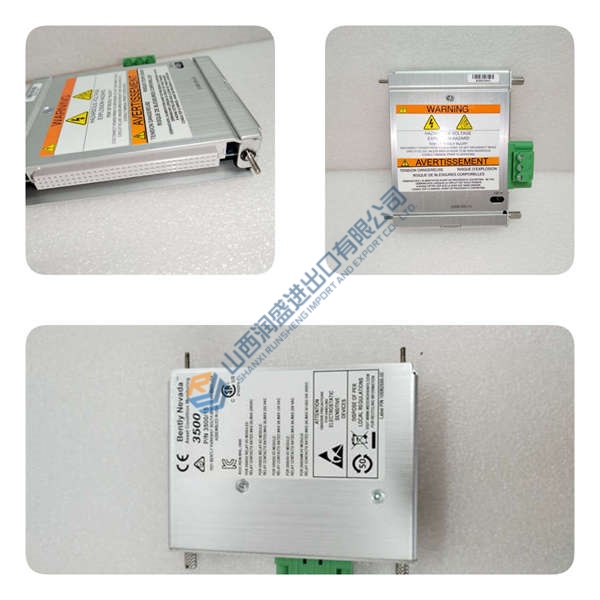
Description
Product Introduction
Running a DLN-2.0+ gas turbine and need reliable flame tracking? The GE RS-FS-9009-03 (124T5712P0001) is the Flame Tracker Dry 325 UV sensor that monitors combustion in high-temperature, low-NOx burners without air or water cooling.
This unit uses a solid-state silicon carbide (SiC) photodiode optimized for the 190–300 nm UV-C band, delivering <175 ms response time with >5 mA output at 1×10¹⁰ photons/in²/sec. In field deployments on Frame 6/7/9 turbines, we’ve seen this sensor hold 4–20 mA stability through steam injection and rapid load swings—without the drift you get on cooled UV tubes. ATEX Zone 2 and Class I Div 2 certification means it installs directly in the turbine compartment without extra purging.
Installation & Configuration Guide
Phase 1—Pre-Installation (est. 10 min)
De-energize the turbine control system. Wait 5 minutes for capacitor discharge. Grab a 24 V DC multimeter, ESD wrist strap, and a camera. Export the current Speedtronic flame scanner configuration. Photograph the existing sensor mounting, cable routing, and connector pinout—photo, photo, photo.
Phase 2—Removal (est. 5 min)
Label the interconnecting cable (RS-E2-0285PXXX) before disconnecting. Release the 2-1/2″ pipe clamp on the cool end. Unscrew the 3/4″ NPT union nut on the hot end. Slide the sensor out carefully, keeping the sapphire window clean. Inspect the mounting bore for carbon buildup or corrosion.
Phase 3—Installation (est. 10 min)
Strap on your ESD gear. Verify the part number matches RS-FS-9009-03. Clean the mounting bore with a lint-free cloth. Apply high-temperature anti-seize to the 3/4″ NPT threads. Screw the hot end into the burner tile, torque the union nut to ~5 N·m. Reconnect the interconnecting cable (MIL-DTL-38999 5-pin), ensuring the locking ring seats fully. Reinstall the 2-1/2″ pipe clamp on the cool end. Run a pre-power checklist: supply voltage 12–30 V DC, ground continuity, no loose strands.
Phase 4—Power-On & Testing (est. 15 min)
Apply 24 V DC ±10%. Open the Speedtronic HMI or flame scanner display. Verify the 4–20 mA signal reads ~4 mA with no flame. Fire the turbine at low load (≈20%). Observe the flame signal—should rise to 12–18 mA depending on burner position. Increase load to 50%, confirm no signal dropout. Simulate a flame-out (close fuel valve), verify alarm triggers within <175 ms. Confirm stable operation for at least 30 minutes. Log the swap in your maintenance record.
Troubleshooting quick-reference:
- No 4 mA bias → check supply voltage and wiring polarity (white = +, black = –)
- Erratic signal → inspect sapphire window for carbon/soot, verify mounting angle
- False flame-out → verify sensor is within 190–300 nm UV band (not IR or visible light interference)
FAQ
Can I just drop this in and go?
If you’re replacing a failed RS-FS-9009-03 in an existing Speedtronic system, yes—provided your mounting angle and interconnecting cable match. We’ve had swaps go smooth in under 30 minutes, but only when the tech photographed the cable connector first. Skip the photos and you’ll be hunting for the pinout diagram for an hour.
Are the RS-FS-9009-03 and RS-FS-9010-03 pin-compatible?
Same housing, different certification. The RS-FS-9010-03 is ATEX Zone 1 (higher explosion-proof rating); the -03 is Zone 2. Physically they fit the same mounting bore, but the -10 may have different sensitivity calibration. Verify with GE or your system integrator before cross-substituting.