
Description
Product Introduction
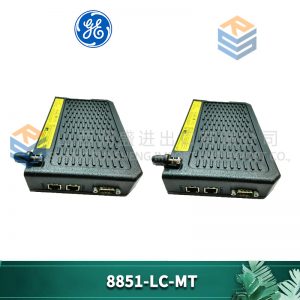
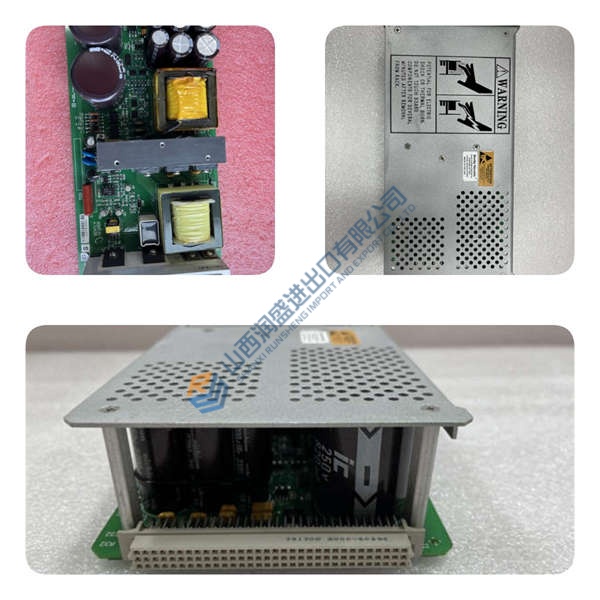
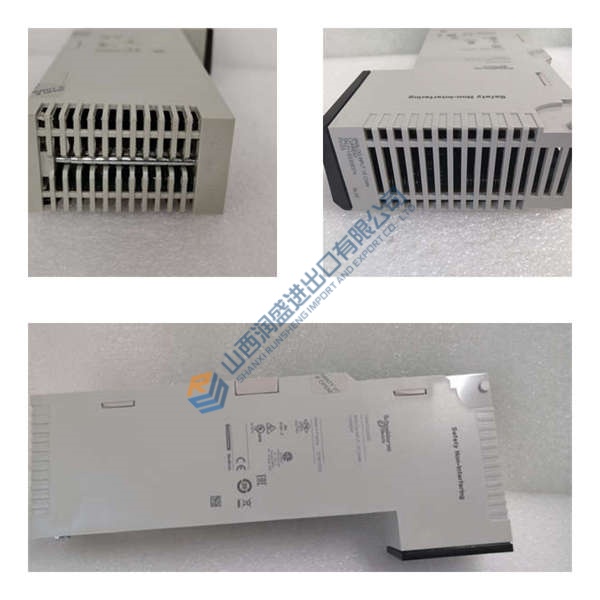
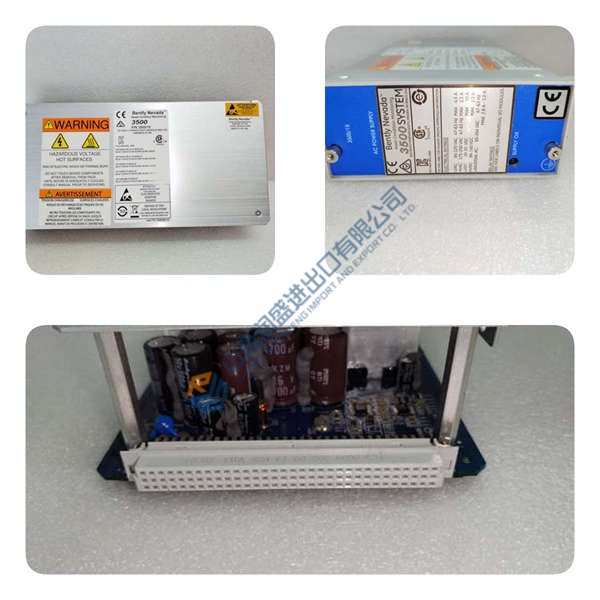
In mission-critical power generation, defense, and heavy industrial applications, maintaining real-time data processing across legacy VME chassis requires robust embedded computing engines. The GE V7768-320000 satisfies these demanding environments by providing high-speed dual-core processing within standard 6U VMEbus architectures.
Engineers rely on this single board computer to execute complex control routines, manage high-density field I/O communications, and drive local diagnostic displays. Replacing a degraded processor module with a verified spare restores deterministic loop speeds without costly rack rewiring or full system redesigns.
Key Selling Points & Differentiators
- Dual PMC/XMC mezzanine expansion slots allow flexible integration of specialized fieldbus modules or high-speed serial cards directly on the host SBC.
- Every surplus GE V7768-320000 board passes a strict 5-point quality verification including 500 V megger isolation testing and a 24-hour continuous live burn-in run.
- Unlike consumer-grade industrial PCs, this board features hardware ECC memory that detects and corrects single-bit memory errors in real time to prevent unexpected software crashes.
- Not recommended for applications requiring conduction-cooled enclosures without verifying specific thermal plate mounting options.
- Built in alignment with VITA standards for VMEbus performance and mechanical compatibility.
Standard Quality Control Procedure
To ensure immediate operational capability upon field delivery, every unit completes a mandatory 5-step engineering verification protocol:
- Incoming Inspection: Verification of physical documentation, visual check for pin bent, socket oxidation, thermal stress discoloration, and serial number verification against OEM logs.
- Live Functional Test: Insertion into a dedicated VME chassis test bench. The module undergoes power-on self-test execution, BIOS diagnostics, boot testing into VxWorks/Linux environments, full peripheral port loopback testing (Ethernet, serial, USB), and a 24-hour continuous burn-in run with thermal monitoring. Detailed test reports and video evidence are generated upon request.
- Electrical Parameter Tests: Insulation resistance checks using a 500 V megger (>10 MΩ target) between logic power planes and chassis ground, along with power consumption checks on +5 V and +3.3 V supply rails.
- Firmware / Configuration Verification: Flash BIOS revision extraction and recording, DIP switch verification, and checking onboard jumper settings against client site configurations.
- Final QC + Packaging: Final sign-off, sealing in static-shielding ESD bags, multi-layer bubble wrap packing, heavy-duty shipping carton packaging, and placement of a dated “QC Passed” label. Passed the above checks; verified functional at time of test.
Technical Pitfall & Replacement Guide
- Firmware Revision Mismatch: Incorrect BIOS or bootloader settings can prevent the card from recognizing local CompactFlash drives or booting over the network. Always record BIOS version numbers and CMOS setup parameters before swapping out a failed board.
- DIP Switch / Jumper Misconfiguration: ❗ Improperly set VMEbus geographical addressing or system controller jumpers will cause bus arbitration deadlocks across the entire chassis. Take high-resolution photos of all jumper blocks on the existing card and mirror them exactly on the replacement module.
- Terminal Block / Cable Incompatibility: Front panel serial cables and VME backplane pinouts vary across system revisions. Inspect the VME backplane connector pins for bending or dust accumulation prior to insertion.
- Power Budget Differences: High-performance dual-core processors draw significant current on the +5 V and +3.3 V rails. Ensure the cabinet power supply maintains a 20% power headroom margin (e.g., total rack power consumption kept below 80% of total rating) to avoid voltage droops during peak processing loads.
- ESD Handling: Static electricity can instantly damage delicate CPU micro-architectures and memory chips. Technicians must wear a grounded ESD wrist strap attached to the metal rack frame when handling the module. A field technician once ruined a fresh single board computer during a winter outage simply by holding it by its gold backplane edge contacts without static grounding.
Remember these and you’ll avoid most rework.
Frequently Asked Questions
Can this single board computer serve as the VMEbus System Controller?
Yes. The board includes onboard VMEbus arbitration and system controller capabilities. A front panel or onboard jumper selects whether the module acts as the slot 1 system controller or as a secondary slot listener.
What should I check if the module powers on but fails to boot into the operating system?
Check the onboard boot source setting. Confirm whether the module is set to boot from the internal CompactFlash socket, an attached SATA drive, or over the network via PXE/TFTP.
I need to replace a failed unit, but my system uses specific PMC mezzanine expansion cards. Can I transfer them?
Yes. You can unbolt and transfer existing PMC or XMC expansion cards to the replacement module’s mezzanine slots. Ensure the standoffs are secured and the mezzanine connectors are fully seated before reinstalling the SBC into the rack.
What operating systems are supported on this hardware platform?
The hardware supports real-time operating systems including VxWorks and Wind River Linux, as well as legacy Windows Embedded and Linux distributions tailored for x86 architectures.