Description
Product Introduction
Kongsberg RCU501 serves as a high-reliability processing unit within Kongsberg K-Pos Dynamic Positioning and K-Thrust vessel control architectures. Processing high-frequency sensor inputs from gyrocompasses, GPS, and wind sensors, this controller calculates accurate thrust vector commands across distributed vessel thrusters. Operating on dual 24 V DC supply lines, the unit operates continuously in harsh offshore marine environments. In field deployments of AC800M systems, stable vessel station-keeping prevents hazardous off-position incidents.
Locating verified replacement electronics for offshore support vessels during active charters presents immense schedule risk. Fitting into standard Kongsberg subrack frames, this processor replaces legacy control boards without requiring bulkhead mounting modifications. Is this design choice actually clever? Absolutely, because hardware-level CAN bus isolation prevents localized field shorts from taking down the vessel’s primary control bus. Listed pricing serves as reference only; actual market pricing varies with global stock levels. Contact our maritime procurement team today to request an official quote for current stock.
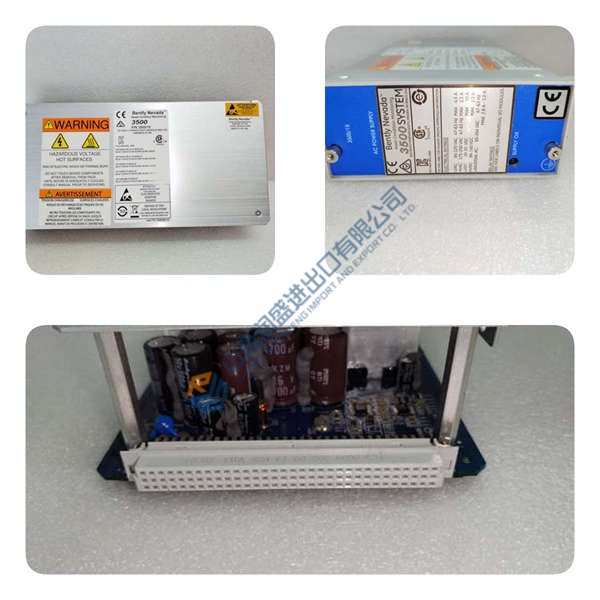
Quality Inspection and Verification SOP
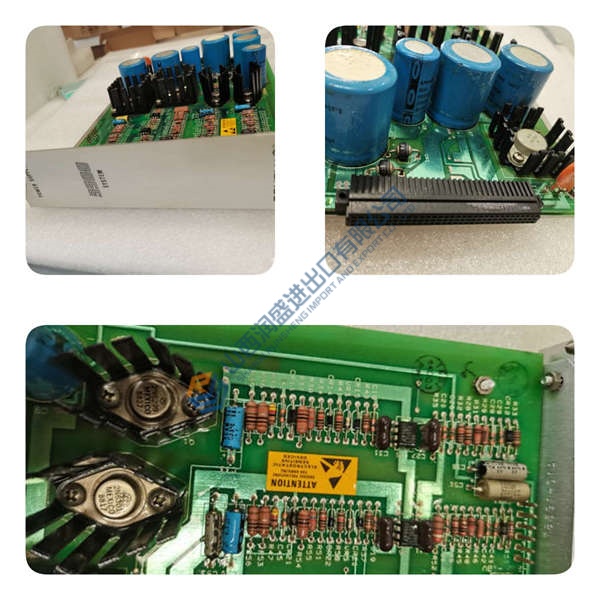
In our testing facility, every incoming marine controller undergoes meticulous multi-point verification before entering storage. We verify source documentation against OEM shipping manifests and maritime clearance paperwork. Technicians perform anti-counterfeit checks, inspecting serial numbers, PCB conformal coating integrity, and component soldering standards. Physical checks ensure zero backplane pin oxidation, terminal deformation, or board warping.
Live functional testing begins by securing the unit in a marine test rack and monitoring dual 24 V DC power rails with a Fluke 115 multimeter. Observing startup LED behavior, we initiate communication handshakes across CAN bus and Ethernet interfaces to a simulated K-Pos operator station. Technicians run full signal processing routines while logging internal thermal dissipation over a continuous 24-hour load test. Insulation resistance is verified using a 500 V megohmmeter to ensure channel-to-ground isolation exceeds 10 MΩ. Firmware versions are read and recorded, and board configuration DIP switches are photographed for client archives. Following final technician sign-off, the card is wrapped in anti-static shielding and packed in heavy-duty shipping boxes with custom foam inserts. Test photos and raw video recordings remain available on request. Units are confirmed functional after completing all tests above.
Technical Pitfall Guide for Integration Engineers
Having supported dozens of offshore vessel retrofits, our engineering team highlights five critical mistakes that stall installations.
- CAN Bus Termination Resistor Errors: Leaving bus termination misconfigured introduces signal reflections that cause erratic thruster telegram drops. Remember: apply the 120 Ω termination resistor at physical bus ends only. Verify total bus resistance measures 60 Ω across CAN-H and CAN-L when powered down. Photo. Photo. Photo.
- Firmware and Node Address Mismatch: Installing a processor running mismatched system software causes node identification failures on the primary DP bus. Record original node addresses and software build numbers before removing the old card. Specify required firmware versions during procurement.
- Power Supply Polarity and Isolation Failures: Wiring ungrounded power supplies to primary and secondary 24 V DC terminals leads to floating ground potentials that trigger system noise. Verify supply voltage and earth isolation with a multimeter prior to powering up. Confirm proper shield grounding to prevent signal interference.
- Vibration Damage from Loose Mounting: Skipping subrack card lock screws allows vessel engine vibration to unseat backplane edge connectors over time. Tighten front panel retaining thumbscrews securely to prevent connector fretting corrosion. Ensure cooling air passages remain unblocked inside the rack frame.
- Electrostatic Discharge (ESD) Damage: Handling bare circuit boards without anti-static protection risks destroying sensitive CAN transceiver microchips — though your mileage may vary depending on ambient humidity. I watched an engineer skip the strap in January. The module smoked on power-up. $2,000 gone. Always wear an ESD wrist strap connected to vessel ground.
Keep these five points in mind and you’ll cut 90% of your rework time.