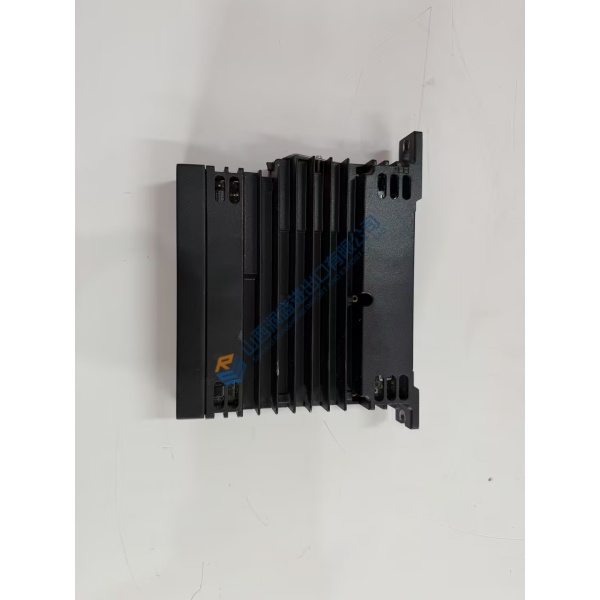
Description
Product Introduction
The NOVOTRON ND32-5610VS-101-011-00 is a voltage-sensing digital input module from Novotron’s legacy ND32 series. It sits between high-voltage switchgear and your PLC, converting 125 V DC tripping circuits or 110–250 V AC control signals into clean, isolated logic outputs .
What makes this module hard to replace is the combination of wide voltage tolerance and true galvanic isolation. Most modern substitutes want 24 V DC signals — your existing switchgear runs on 125 V DC. This board bridges that gap without a separate interposing relay panel. That’s why plants with 1980s–1990s vintage protection panels still hunt for these on the surplus market.
⚠️ Sourcing warning: Novotron Electronics AB is defunct. No new production exists. Every unit you find is surplus or pull. Verify before you buy.
Installation & Configuration Guide
Phase 1 — Pre-Installation (est. 15 min)
De-energize the control panel and verify all input circuits are dead with a Fluke 115 multimeter. Photograph every wire termination and the module’s DIP switch settings if present. Record the full order code from the label. ❗ Photograph everything — this module has no public documentation. Your photos are the only reliable wiring reference you’ll have.
Phase 2 — Removal (est. 5 min)
Label each input wire by channel number. Note the control voltage present on each channel (125 V DC tripping circuits vs. 110 V AC status signals). Release terminal screws and DIN rail latch. Inspect the backplane or connector for corrosion.
Phase 3 — Installation (est. 10 min)
ESD wrist strap on. Verify the replacement unit matches your original order code — especially the “101” voltage range suffix and “011” output interface code. Mount on DIN rail and secure. Reconnect wires per your photos. Torque terminal screws to ~0.5 N·m.
Phase 4 — Power-On & Testing (est. 15 min)
Apply control voltage to one input at a time. Verify the corresponding channel LED illuminates. Check the output signal at your PLC or relay logic. Test one channel at minimum voltage (88 V) and one at maximum (265 V) to confirm threshold behavior. Log the swap with the unit’s serial number and date.
Troubleshooting Quick-Reference:
- No output → verify input voltage exceeds threshold; check optocoupler condition
- Intermittent channel → input resistor drift from age; measure input current draw
- All channels dead → check module power supply (if separate) or backplane connection
- LED dark but output works → LED burnout is common on aging units; non-critical
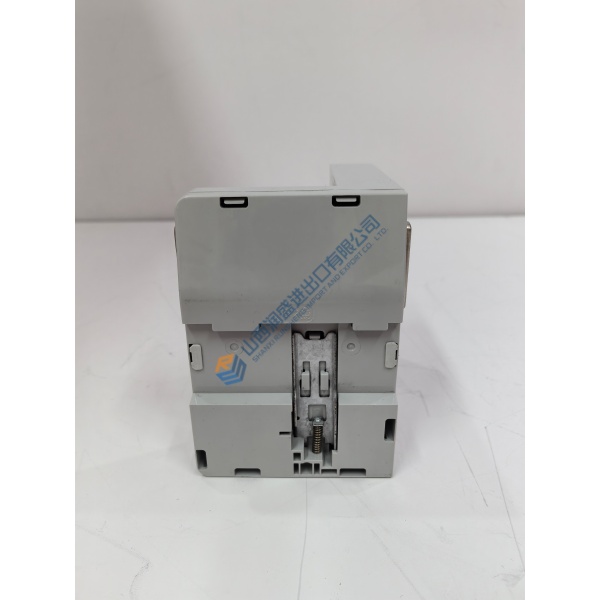
Can I just drop this in and go?
Only if the wiring matches exactly. These modules were built into custom panels decades ago. Wire colors mean nothing without a drawing. Photograph your original before removal — that’s your only reliable reference.
My panel runs 125 V DC tripping circuits — will this handle it?
Yes. The 101 suffix indicates a universal 88–265 V AC/DC input range . That covers 125 V DC comfortably. Just verify your specific unit wasn’t factory-modified.
Is this the same as ND32-5610VS-001-000-00?
No. The suffix codes matter. “101” and “001” indicate different input voltage ranges or output interfaces. A 001 variant may expect a different control voltage. Match the full order code.
What’s the biggest failure risk with these old modules?
Honestly, it’s optocoupler degradation. The CTR (current transfer ratio) drops with age and thermal cycling. Your signal gets weak, then disappears. Measure input current draw to check resistor health before trusting a surplus pull .
Novotron is gone — what are my options?
Three paths: (1) Hunt European industrial surplus channels for NOS or tested pulls. (2) Retrofit with a modern voltage-sensing input module from a current vendor — expect to rewire. (3) Replace the whole panel logic. Option 1 buys time. Option 2 or 3 is the long-term fix.
Are there counterfeit Novotron modules?
Unlikely at scale — the market is too small. The bigger risk is untested pulls sold as “tested.” Ask for a functional report showing input threshold verification and output response. If the seller can’t provide it, assume untested.