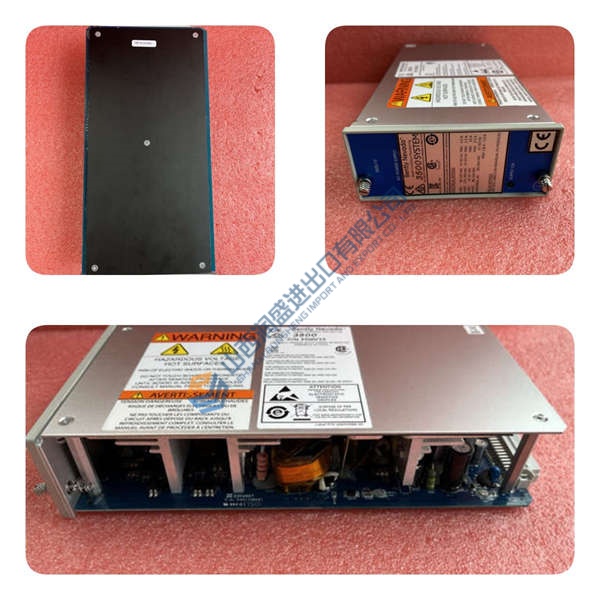
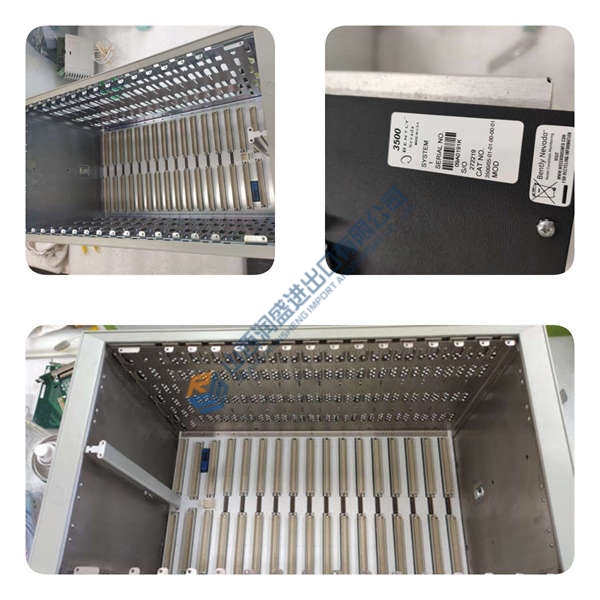
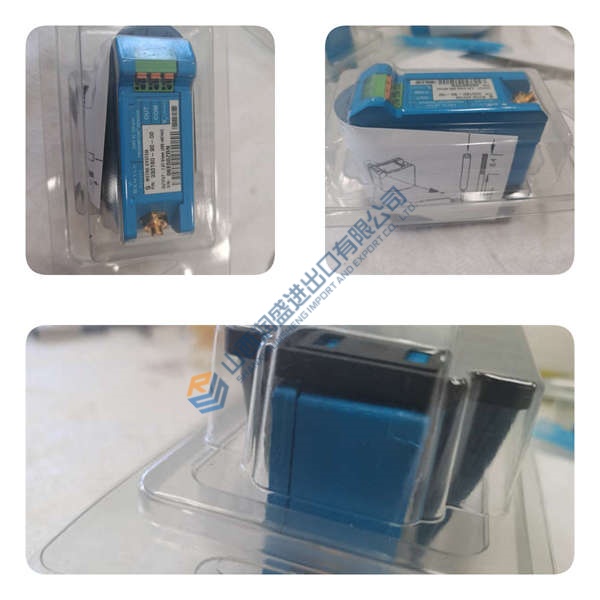
Description
Product Introduction
SST SST-PFB3-VME-2-E is a high-performance, dual-port PROFIBUS network interface card designed for VMEbus host systems. Manufactured by SST (a Molex business), this module enables VMEbus embedded controllers and industrial computers to communicate seamlessly with PROFIBUS DP-V0 and DP-V1 field devices, remote I/O, drives, and PLC subsystems. Operating at communication speeds up to 12 Mbps on each channel, it offloads complex fieldbus protocol stack handling directly onto its onboard microprocessor, freeing the main VME host CPU for real-time control algorithms. In field deployments of AC800M systems, reliable fieldbus gateway interfacing prevents network drops and communication timeouts.
Procuring legacy VMEbus communication hardware during unprogrammed facility outages presents serious logistics challenges. Designed as a standard 6U VME form factor board, the card slides directly into standard VME chassis slots to replace legacy or damaged interface cards without necessitating field wiring changes. Is this design choice actually clever? Absolutely, because onboard dual-port RAM allows the VMEbus host to exchange high-volume cyclic process data with minimal latency. Listed pricing serves as reference only; actual market pricing depends on global inventory availability. Contact our procurement desk today to receive a formal price quote.
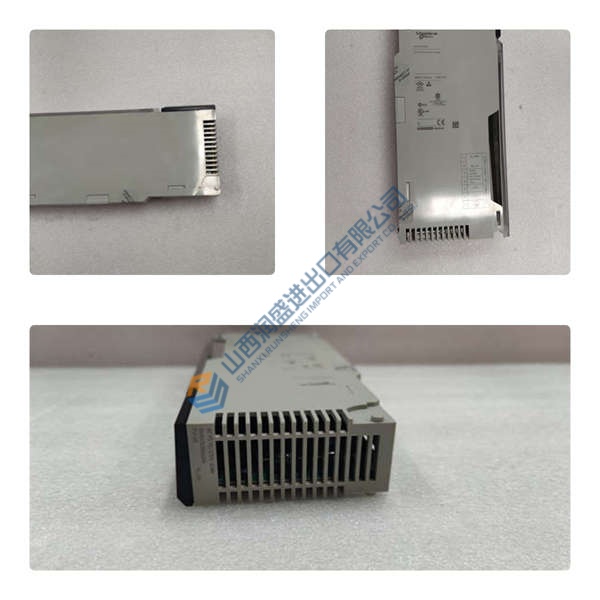
Quality Inspection and Verification SOP
In our testing facility, every incoming VMEbus communication board undergoes rigorous multi-point verification before entering warehouse stock. We verify source documentation against OEM packing manifests and customs paperwork. Technicians perform anti-counterfeit inspections, examining board layout, silk-screening, PCB batch codes, and solder mask uniformity. Physical checks ensure zero backplane pin bending, conformal coating flaking, or card edge gold-finger oxidation.
Live functional testing begins by mounting the SST SST-PFB3-VME-2-E into an energized VME test chassis while monitoring internal voltage rails with a Fluke 115 multimeter. Observing startup LED behavior, we initiate VME bus memory read/write cycles to confirm dual-port RAM access across host address lines. Technicians attach active PROFIBUS DP slave nodes to both DB9 ports, transmitting 12 Mbps cyclic data streams and monitoring packet loss during a 24-hour continuous load test. Isolation resistance between RS-485 channels and backplane ground is verified using a 500 V megohmmeter to ensure isolation exceeds 10 MΩ. Firmware revisions are logged, and DIP switch/jumper configurations are photographed for customer records. Following technician sign-off, the card is wrapped in ESD shielding and packaged with high-density foam in protective shipping boxes. Test photos and raw video logs remain available on request. Units are confirmed functional after completing all tests above.
Technical Pitfall Guide for Integration Engineers
Having supported dozens of VMEbus system retrofits, our engineering team highlights five critical mistakes that stall installations.
- VMEbus Base Address and Interrupt Collisions: Configuring base memory address DIP switches without checking existing chassis maps creates VME address conflicts, causing system crashes or unhandled host bus errors. Carefully map VMEbus A24/A32 address spaces and select an unallocated memory range before inserting the card.
- Missing PROFIBUS Network Termination: Omitting active RS-485 termination resistors at both physical ends of the PROFIBUS cable causes high-frequency signal reflections, leading to packet corruption at 12 Mbps. Ensure the DB9 connector switches at both physical network ends are turned ON while intermediate nodes remain OFF.
- Cable Shielding and Grounding Errors: Floating cable braid shields allows ground potential differences and VFD switching noise to corrupt fieldbus signals. Clamp cable shields directly to the chassis ground entry plate using 360-degree grounding clips. Photo. Photo. Photo.
- VME Backplane Pin Damage During Insertion: Inserting the card at an angle into tight 6U VME subracks can bend delicate backplane connector pins. Align top and bottom card guide rails carefully and apply firm, perpendicular pressure using card ejectors to seat backplane connectors cleanly.
- Electrostatic Discharge (ESD) Damage: Handling raw circuit cards without grounding accessories risks destroying sensitive RS-485 transceiver microchips — though your mileage may vary depending on ambient humidity. I watched an engineer skip the strap in January. The module smoked on power-up. $2,000 gone. Always wear an ESD wrist strap connected to chassis ground.