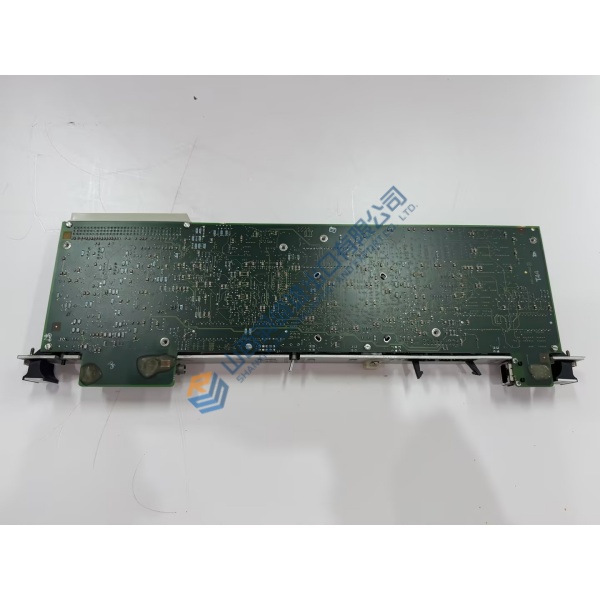
Description
Product Introduction
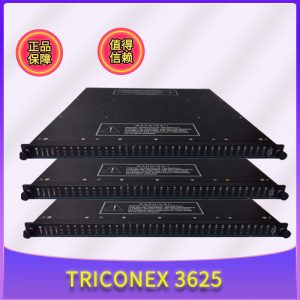
Triconex 3311S2 is a high-reliability power supply module designed for Tricon triple-modular redundant (TMR) safety systems. It converts standard AC line voltage into regulated DC power to drive the main processor cards, communication modules, and chassis backplanes across industrial safety loops.
This unit ensures continuous fault tolerance through parallel power-sharing architectures. Built-in health monitoring circuitry triggers early alarm diagnostics if input utility power sags or internal output rails drift out of operating tolerance.
Quality Inspection and Verification Standard
Every module undergoes a strict quality control workflow before shipment to ensure operational reliability in the field:
- Inbound Inspection: We trace origin documentation against packing lists, inspect part numbers, verify anti-counterfeit markings, check for physical corrosion on the sensing head, and verify hardware revision codes.
- Live Functional Testing: The unit is mounted to a test fixture. We execute a power-on self-test, verify baseline communications handshake with the host monitor, test raw analog output signals, and run a continuous 24-hour stability check.
- Electrical Testing: We verify terminal pinouts and run insulation resistance testing using a 500 V Megger to ensure values exceed 10 MΩ to the grounding point.
- Firmware & Configuration Check: We read and record hardware revision data, verify calibration coefficients where applicable, and document switch settings.
- Final QC & Packaging: Cleaned units are packaged with anti-static shielding, wrapped in high-density foam, and marked with a QC Passed seal.
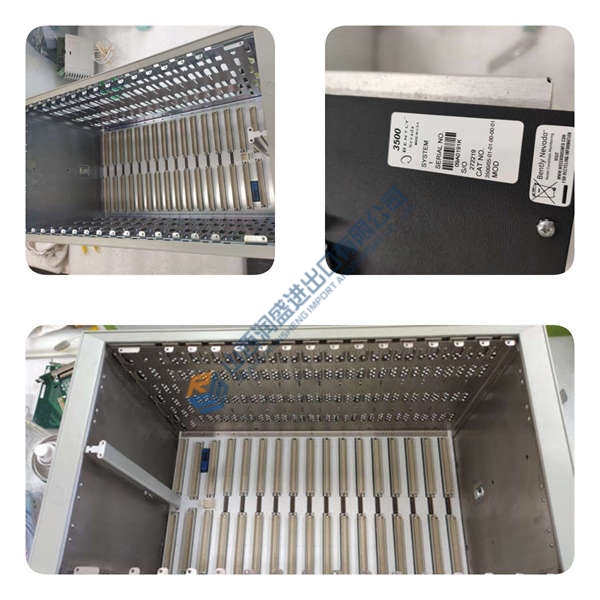
Field Engineering Pitfalls & Installation Guide
- Load Sharing Balance with Redundant Pairs: When installing two power supplies in a single chassis, ensure both slots receive uniform input voltage feeds. Unbalanced AC inputs can cause one supply to carry the entire load, increasing thermal stress and shortening component lifespan.
- Inrush Current Considerations: Powering up multiple chassis simultaneously draws high initial inrush current. Verify that upstream circuit breakers are properly rated for inductive startup surges to prevent nuisance tripping during system boot routines.
- Chassis Airflow and Thermal Margins: Obstructed cooling vents cause rapid internal heating inside power electronics. Maintain at least 2 inches of clear airflow space above and below the chassis assembly to allow adequate natural convection.
- Input Voltage Range Selection: Verify input voltage tap settings or wiring terminal jumper configurations prior to applying line power. Connecting 230 VAC line voltage to a unit configured for 120 VAC will cause immediate damage to input MOV protection elements.