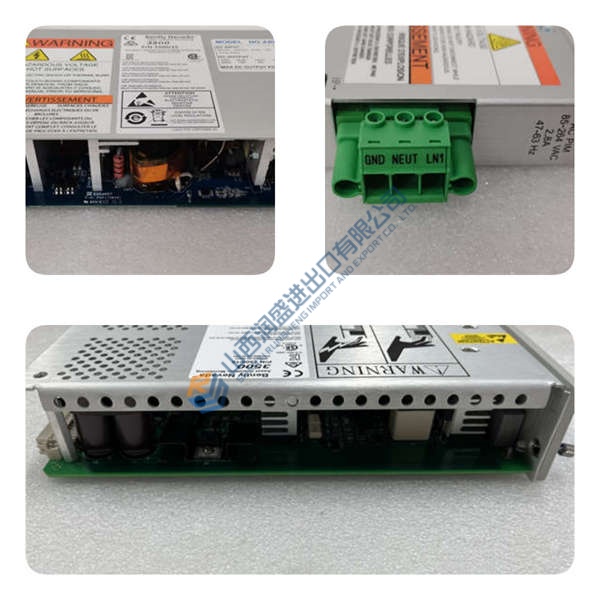
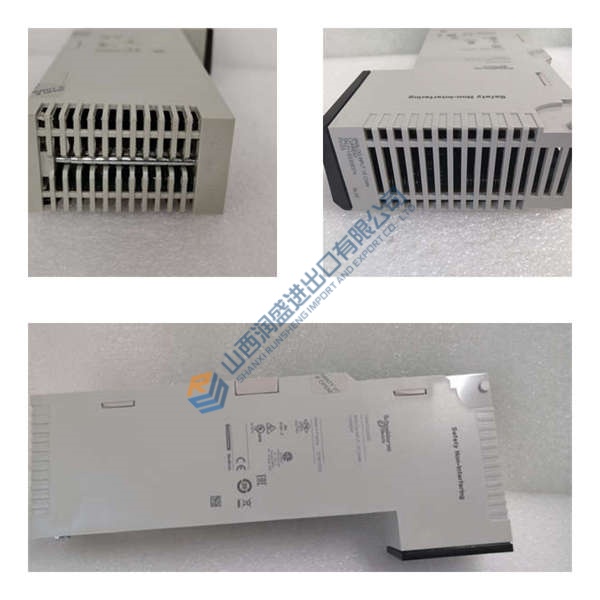
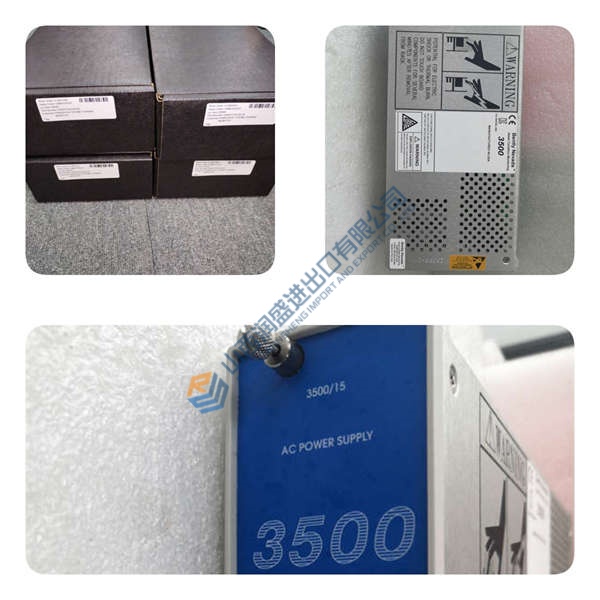
Description
Product Introduction
How do power plant operators maintain real-time oversight of steam turbine valve positions and speed controllers when legacy DCS racks run discontinued hardware? The ALSTOM UT150-2 solves this by bridging rack-level process processing with local display panels and operator interfaces.
Installed inside ALSTOM CE2000 control cabinets, this card manages serial communications and diagnostic telemetry between local operator units and central processing nodes. Replacing aging units with verified spares prevents complete rack outages during critical power generation cycles.
Key Selling Points & Differentiators
- Dedicated dual serial bus processing offloads display telemetry tasks from the primary turbine controller, maintaining deterministic loop execution under high bus traffic.
- Every surplus ALSTOM UT150-2 card undergoes a 5-point quality check including 500 V megger isolation tests and a continuous 24-hour power-on bench run.
- Unlike general-purpose serial cards that require manual signal line conditioning, this unit features integrated galvanic isolation across communication ports to suppress industrial noise spikes.
- Not recommended for standalone installation without the matching ALSTOM backplane cage and power distribution assembly.
- Manufactured in accordance with IEC 61131 standards for industrial controller hardware components.
Standard Quality Control Procedure
To guarantee immediate operational readiness in legacy turbine control applications, every unit passes a structured 5-step engineering verification process:
- Incoming Inspection: Traceability review against import records, comprehensive visual check for PCB trace corrosion, component thermal degradation, or socket damage, and serial number verification.
- Live Functional Test: Insertion into a dedicated test chassis. The module undergoes power-on self-check LED testing, backplane bus handshake validation, serial communication loopback verification, and a 24-hour continuous burn-in run with temperature tracking. Test reports and video documentation are available upon request.
- Electrical Parameter Tests: Insulation resistance checks using a 500 V megger to confirm >10 MΩ isolation between power rails and chassis ground, along with power rail voltage stability measurements.
- Firmware / Configuration Verification: Onboard EEPROM revision extraction and verification (e.g., V2.10) to match client site specifications.
- Final QC + Packaging: Final sign-off, sealing in anti-static ESD bags, heavy-duty bubble wrap and carton packaging, and application of a dated “QC Passed” label. Passed the above checks; verified functional at time of test.
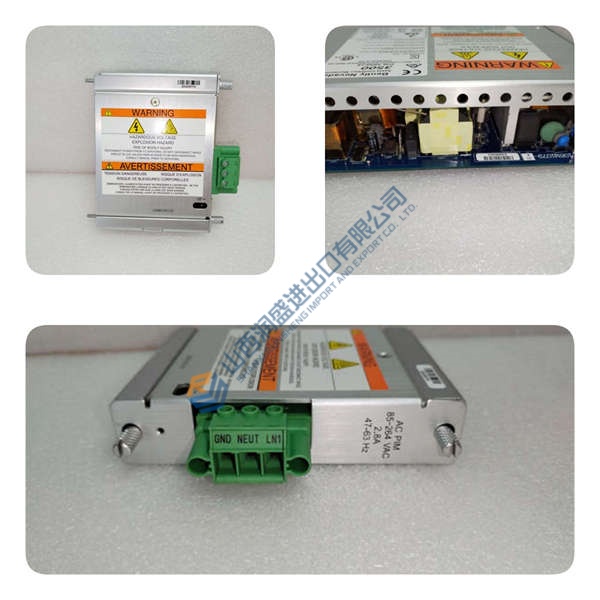
Technical Pitfall & Replacement Guide
- Firmware Revision Mismatch: Inserting a replacement board with an incompatible EEPROM firmware revision can cause backplane communication timeouts or operator panel display corruption. Query and log the active revision via diagnostic software or read the physical EEPROM labels prior to removal.
- DIP Switch / Jumper Misconfiguration: ❗ Incorrect baud rate or node address jumpers will isolate the card from the local control network. Take clear photos of all jumper blocks before pulling the old board and mirror their positions on the new card.
- Terminal Block / Cable Incompatibility: Multi-pin backplane connectors must be inspected for bent pins or contamination. Never force the board into the slot; align card guides and slide smoothly to avoid damaging pin contacts.
- Power Budget Differences: Legacy backplanes degrade over time. Ensure the 24 V dc supply retains a 20% power headroom margin (e.g., maintaining backplane current draw below 80% rated capacity) to handle transient thermal loads during cold plant start-ups.
- ESD Handling: CMOS logic circuits on this board are vulnerable to static electricity. Technicians must wear a grounded wrist strap and work on an ESD mat. A site engineer once destroyed a replacement interface board during a winter retrofit by touching the edge connector without static grounding.
Remember these and you’ll avoid most rework.