Description
Product Introduction
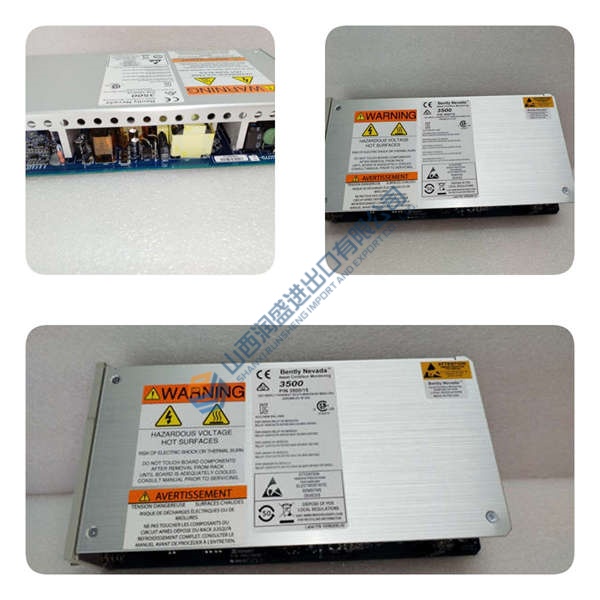
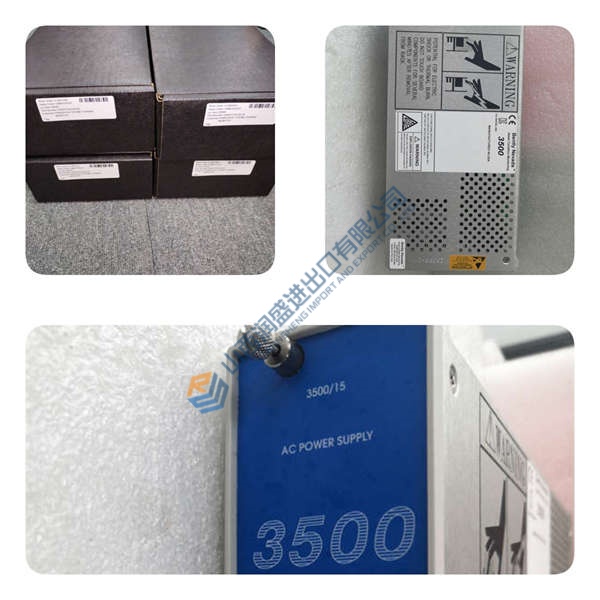
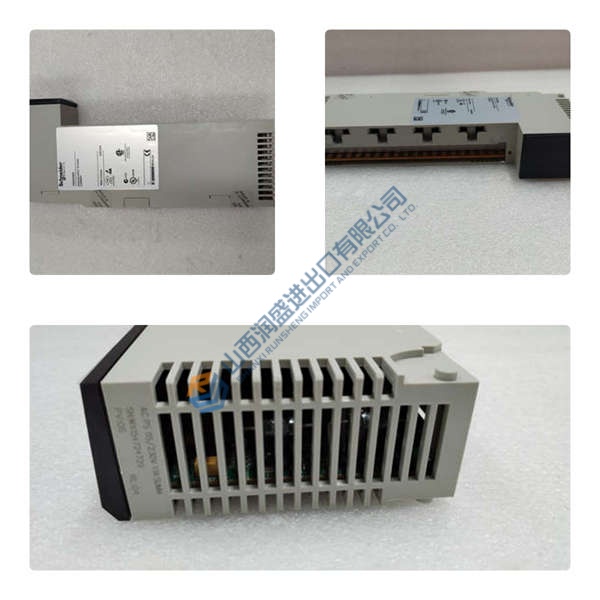
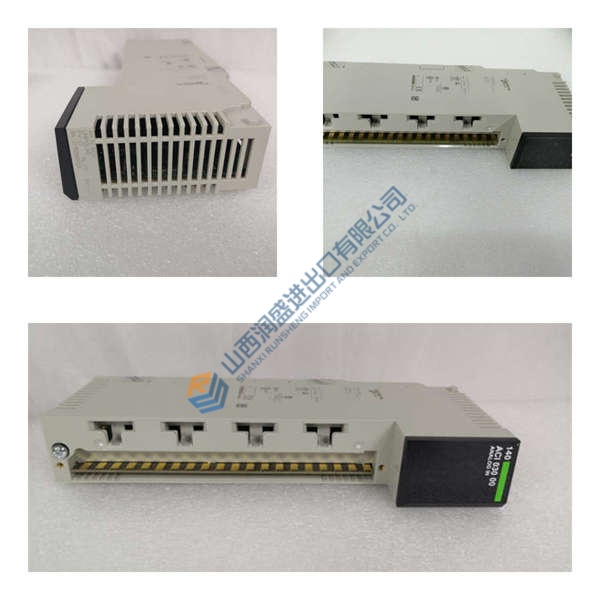
The VIBRO-METER VM600 IOC‑N is the communications and I/O expansion card that pairs with the CPUM CPU in VM600 modular machinery protection and condition monitoring racks. In turbine, compressor, and pump protection skids, this unit provides the external network interfaces (Ethernet/serial) and supports configuration of MPC4/AMC8 protection cards.
In field deployments, the IOC‑N typically runs off the 5 Vdc backplane at <2 W, offering dual 10/100 Ethernet plus RS‑232/RS‑485 for Modbus TCP/RTU and VM600 MPSx traffic. For exact part number mapping (200‑566‑000‑012 vs 200‑566‑000‑113/101‑012) and protocol options, confirm against the VM600 hardware manual and the module nameplate before installation.
Key Selling Points & Differentiators
- Proven VM600 fit: single‑slot 6U Eurocard designed for ABE04x/ABE055 racks and CPUM pairing.
- Clear power/thermal profile: 5 Vdc ±5%, <2 W total card, with 0.25 kg mass and compact 20 mm width for dense racks.
- Communications flexibility: dual 10/100 Ethernet (RJ‑45) plus RS‑232/RS‑485 supporting Modbus TCP/RTU and VM600 MPSx protocols.
- Test evidence available: we can share power‑on LED behavior, comms handshake logs, and a basic functional test report (photos/video on request).
- Versus other IOC variants (IOC‑4T/IOC‑8T): IOC‑N focuses on network gateway and system I/O for CPUM; do not substitute across families without engineering approval.
- Not recommended for: non‑VM600 racks or systems requiring fieldbus as the only protocol unless explicitly configured—verify protocol support in the hardware manual.
Frequently Asked Questions
Q1: Can I drop this IOC‑N straight into my existing VM600 rack?
A: Usually yes—if the slot is an I/O slot in a VM600 rack (ABE04x/ABE055) and the backplane supply is 5 Vdc. Action: photograph the nameplate, note the existing module’s part number (e.g., 200‑566‑000‑012 vs 200‑566‑000‑113), and match before hot‑swap.
Q2: What’s the difference between 200‑566‑000‑012, 200‑566‑000‑113, and 200‑566‑101‑012?
A: All are IOC‑N variants; differences include connector sets, circuit isolation, and firmware/protocol options. Action: confirm the exact part number and firmware baseline in the project BOM and verify compatibility with your CPUM and I/O mix.
Q3: How do you verify firmware and configuration before shipping?
A: We read and record visible identifiers (part number, revision), capture LED status and comms response (Ethernet/RS‑232), and log them in the test report. If your project requires a specific firmware/protocol set, tell us up front—we’ll verify or advise on loading.
Q4: What’s included in your QC process for stock spares?
A: Incoming traceability check, visual/label inspection, power‑on self‑test in a compatible test environment, comms handshake (Modbus TCP/RTU), spot checks of I/O behavior, and a 24‑hour run where applicable. Final packing: ESD bag, bubble wrap, carton, and “QC Passed” label with date.
Q5: Does this card support redundancy?
A: Yes—dual Ethernet ports support redundant network paths when configured with CPUM in the VM600 system. Action: confirm redundancy topology and switch settings in the system design.