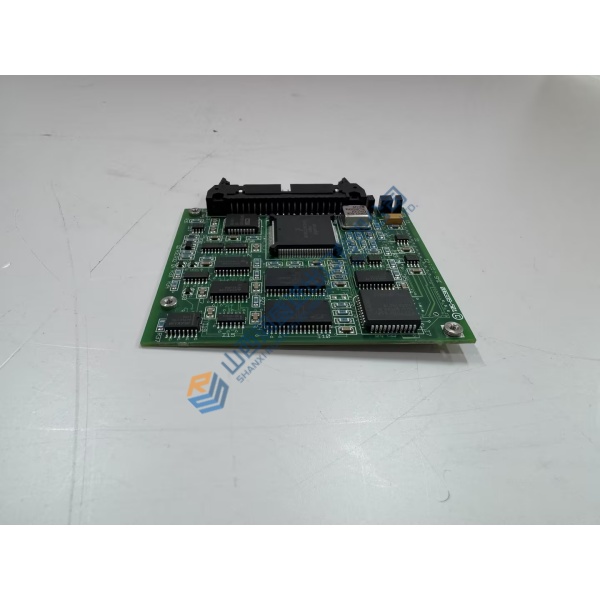
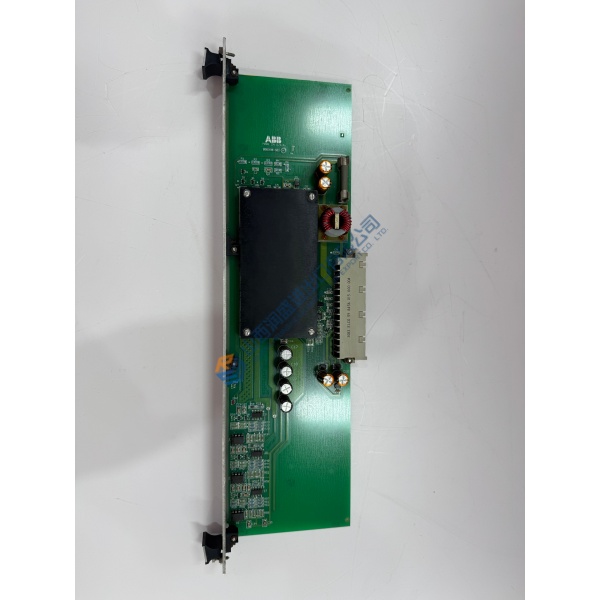
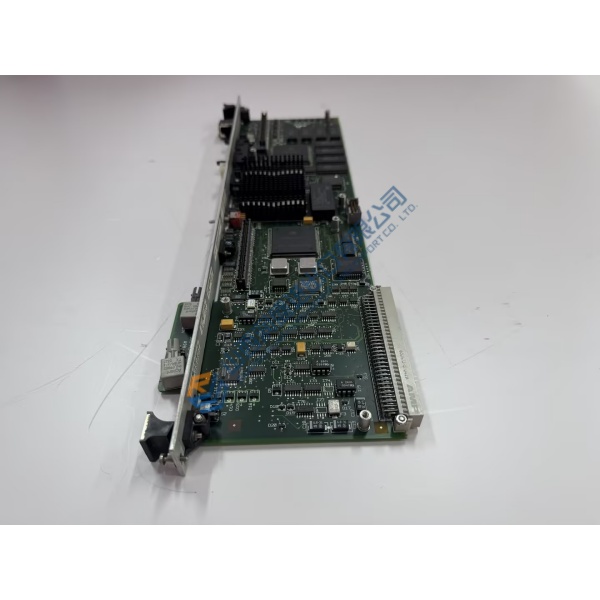
Description
Key Technical Specifications
• Number of measurement axes: 4
• Board form factor: 6U VME64x
• Minimum optical power: 0.07 µW
• Position resolution: 0.15 nm (double-pass interferometer)
• Maximum velocity: ±2.55 m/s
• Accuracy at maximum velocity (σ): 0.2 nm
• Cyclic error compensation: Yes (patented)
• Compatible lasers: 7702, 7714, 7724
• Scalability: Up to 64 axes in VME chassis
• Operating temperature: Typically 0 to 40 °C (verify with OEM datasheet)
• Power: Supplied via VME backplane (exact rails per chassis specification)
Product Introduction
Zygo ZMI-4104C is a 4-axis measurement electronics board in the ZMI series. It converts optical signals from a Zygo laser-driven interferometer into precise displacement data for position metrology.
The board delivers sub-nanometer resolution and supports cyclic error compensation to reduce inherent non-linearities. It installs in standard 6U VME64x chassis and works with compatible Zygo lasers for applications in semiconductor stages, precision machining, and optical alignment systems where multi-axis scalability and high velocity are required.
Frequently Asked Questions
Q: Does this board support hot-swapping?
A: No. VME64x systems require power-down or proper slot isolation before insertion or removal. Live insertion risks backplane damage or corrupted measurements. Always follow the chassis manufacturer’s procedure.
Q: Is the ZMI-4104C obsolete? Are there direct replacements?
A: The 4100-series boards remain in active use for installed DMI systems. Direct replacements keep the same 4-axis VME64x form factor and laser compatibility. Confirm the exact “C” suffix options and firmware revision against the existing unit before ordering; mismatch can affect cyclic-error performance.
Q: Will I lose configuration or calibration during replacement?
A: Configuration resides in system software and any non-volatile memory on the board. Record current axis mapping, compensation parameters, and laser serial numbers before swap. After installation, re-verify optical power levels and run a system calibration check with the host software.