The Honest Assessment
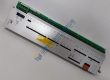
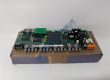
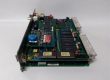
This is a red flag situation. A single LAM Research part number does not correspond to six completely different components. Either the vendors are scraping part numbers and fabricating descriptions, or there are transcription errors in the listings. In my experience with LAM 2300-series and Kiyo platforms, this level of contradiction usually means the listing is auto-generated or copied from a generic template.
The most internally consistent claim is the Gas Box Pressure Sensor PCB description , which includes specific signal conditioning details (0–10 VDC / 4–20 mA inputs, 16-bit ADC, opto-isolated interlocks) that align with how LAM actually builds their gas delivery interface boards. But that is still one vendor’s claim.
What You Should Do
Do not order this part based on any of these listings alone. Verify the actual part number against one of these sources:
- Your tool’s Bill of Materials (BOM) — The 2300, Kiyo, or Versys platform BOM will list the exact LAM internal part number, which may differ from this 685-069171-100 number.
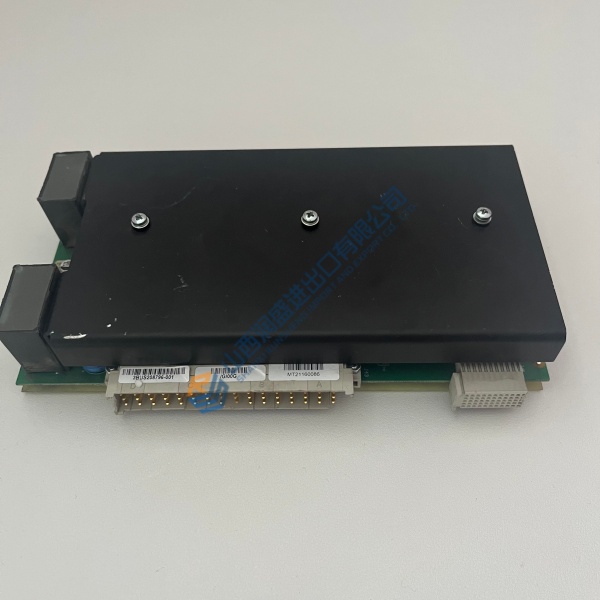
- A photograph of the physical board — If you have the failed unit, the PCB silkscreen will show the true LAM assembly number and revision. Vendor listings often get this wrong.
- LAM Research direct — Even for legacy parts, LAM’s technical support can confirm whether this number exists and what platform it belongs to.
- A vendor who will send you a photo of the actual unit they have — Not a stock image, not a generic datasheet. A photo of the specific board with its labels visible.
If a vendor refuses to provide a photo or claims “the part number is sufficient,” walk away. In the surplus semiconductor parts market, that is a tell.