Product Core Brief
• Model: 2214-30SLQT • Brand: JDS Uniphase (JDSU) • Series: 2214 Series Argon-Ion Lasers • Core Function: Generates stable, low-noise blue light (488 nm) for precision optical inspection and measurement systems. • Product Type: Air-Cooled Argon-Ion Laser Head • Key Specs: 30 mW output power | Single-line 488 nm wavelength | Metal-ceramic resonator • Condition: New Original (New Surplus)
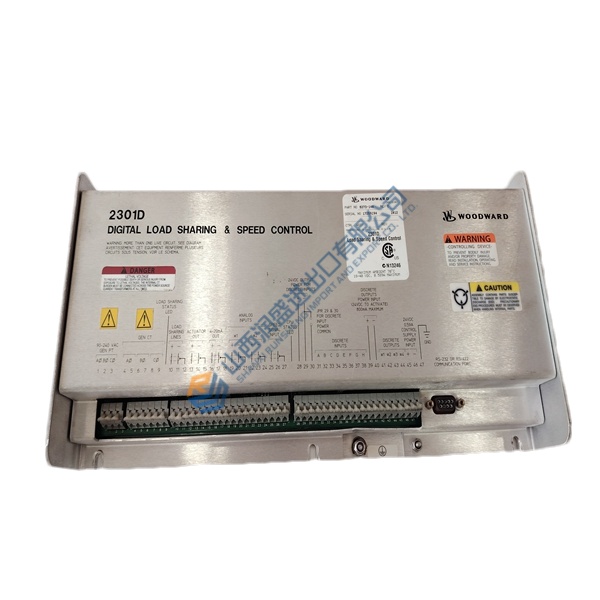
Product Introduction
JDSU 2214-30SLQT is an air-cooled argon-ion laser head engineered for high-precision semiconductor wafer inspection, flow cytometry, and optical alignment applications. The module utilizes a metal-ceramic interior construction with an integral-mirror design to maintain stable optical output and high beam-pointing stability.
This unit features symmetric axial airflow to minimize thermal drift and achieve fast warm-up times during operation. Installing this laser restores factory optical resolution in critical toolsets, such as KLA-Tencor Surfscan systems, while eliminating mechanical vibration through flexible blower ducting.
Quality Control & Testing Process
- Inbound Inspection: Trace origin documentation against packing lists. Inspect serial number tags, check the ceramic-metal envelope for physical degradation, and verify mirrors and optical output windows are free of dust, oil, or scratches.
- Live Functional Testing: Mount the laser head to a dedicated high-voltage power supply test rig. Execute ignition sequences, establish interlock handshakes, measure output beam power across the 488 nm emission spectrum using a calibrated power meter, and run continuous load testing for >24 hours to monitor power drift.
- Electrical Testing: Perform high-voltage insulation resistance testing using a 500 V Megger to verify isolation above 10 MΩ. Test cathode heater continuity and ground bonding back to the power supply connector.
- Firmware Verification: Read and record internal tube current settings, hour-meter logs, and factory baseline bias parameters prior to repacking.
- Final QC & Packaging: Enclose optical apertures with protective caps. Wrap the entire housing in anti-static shielding, cushion with dense bubble wrap inside a reinforced shipping container, and apply a QC Passed verification label.
Technical Pitfall & Installation Guide
• Firmware Rev Mismatch: While gas lasers do not run onboard firmware, operating this module with an incompatible or miscalibrated power supply driver can cause premature tube degradation. Verify power supply current limits match the unit datasheet before igniting the plasma.
• DIP Switch/Jumper Errors: Misconfiguring the remote control interlock pins or current/light mode jumpers on the power supply interface will cause ignition failure. Photograph and duplicate the wiring harness and switch settings of the old laser system prior to installation.
• Terminal/Wiring Incompatibility: Ensure the high-voltage umbilical cable and anode/cathode plug matches the pinout of your power supply. Running high-voltage trigger pulses into control signal pins will destroy the internal electronics.
• Power Supply Constraints: Gas lasers demand high starting ignition voltages (~10 kV trigger pulse) and sustained DC tube current. Verify the main power supply provides at least a 20% margin over nominal tube current requirements.
• ESD Protection: Static discharges on the control logic board or photodiode feedback lines can destroy sensitive feedback circuits. Always wear a grounded anti-static wrist strap when handling the laser head or attaching control cabling.