Description
Product Introduction
When a drive rack goes down, the real risk is usually not the failed board—it’s the mismatch during replacement. ABB PPD113A01-10-150000 3BHE023784R1023 is used in ABB excitation and drive control systems where the processor must stay synchronized with backplane communication and fieldbus timing.
In practice, this module is chosen when maintenance teams want to restore an existing ABB cabinet without reengineering the control layer. ABB PPD113A01-10-150000 3BHE023784R1023 is typically validated through boot checks, communication handshake testing, and extended runtime observation before shipment. Firmware alignment with the installed system should always be confirmed before installation.
From a procurement angle, the biggest difference is traceability. Instead of a “pulled spare,” this unit goes through structured inspection: label verification, visual condition grading, and controlled functional testing before release. That reduces uncertainty during commissioning windows.
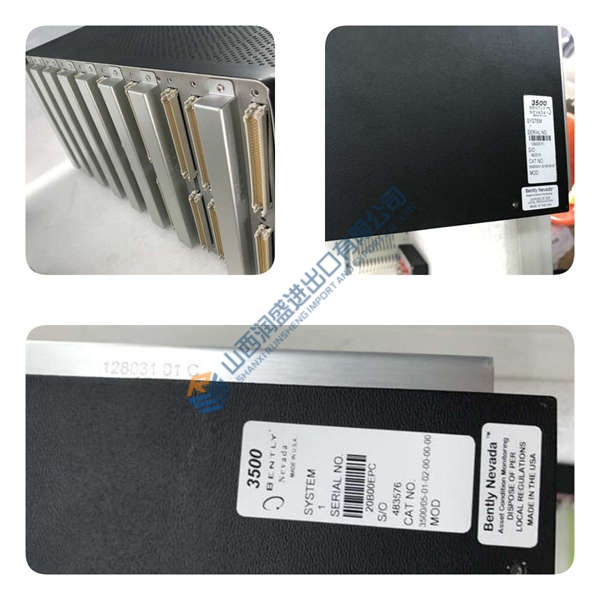
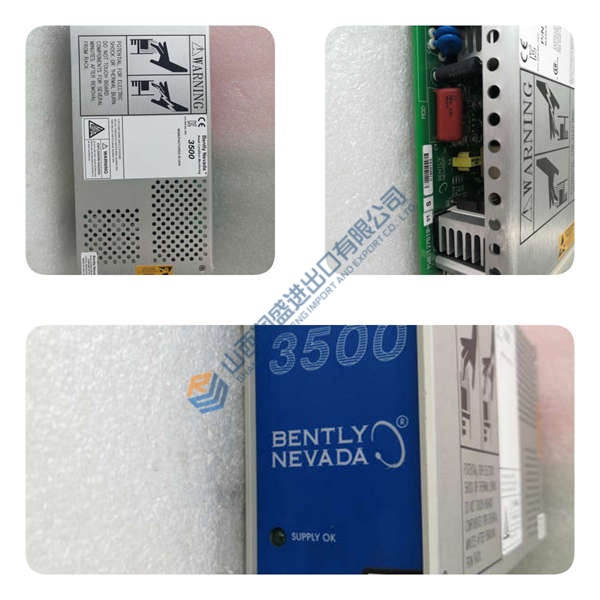
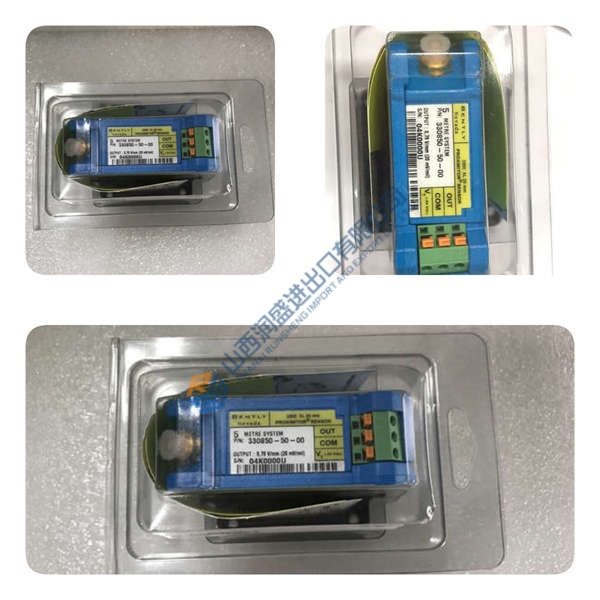
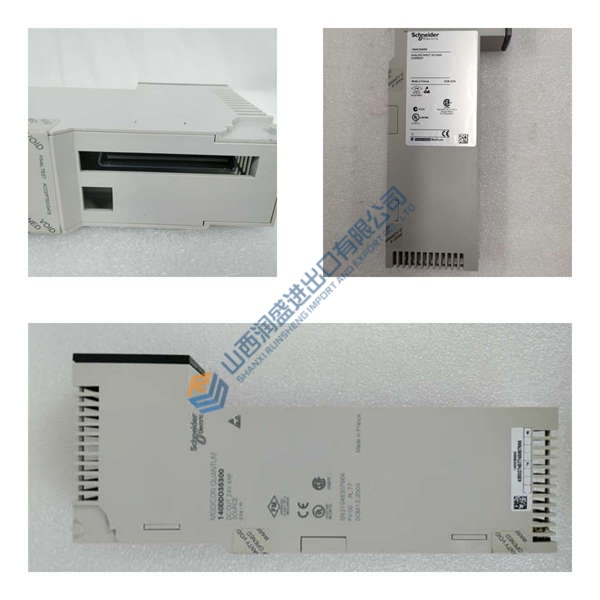
Incoming inspection is strict. Serial labels are checked for consistency, housing condition is reviewed for corrosion, scratches, connector wear, or repair traces, and available documentation (packing list, certificates, warranty papers) is logged. ABB PPD113A01-10-150000 3BHE023784R1023 is only released if physical condition matches documentation.
Testing is done on a compatible industrial rack simulator. Power-up behavior is checked first: LED status, boot sequence, and reset stability. Then communication handshake is validated depending on configuration (fieldbus such as Profibus or similar systems where applicable). ABB PPD113A01-10-150000 3BHE023784R1023 is also run under continuous load conditions to observe thermal stability over time. Test reports and photo/video evidence can be provided if needed.
Electrical checks may include insulation resistance testing (typically 500 V megger, target >10 MΩ where applicable) and ground continuity verification. High-voltage stress tests are avoided unless the module category explicitly allows it.
Before packing, firmware revision and configuration settings are recorded. DIP switch positions and jumper settings are documented with photos where accessible. Final QC includes ESD sealing, shock-resistant packaging, and labeled inspection approval. The unit is confirmed functional at time of test, not guaranteed for future mismatch conditions.