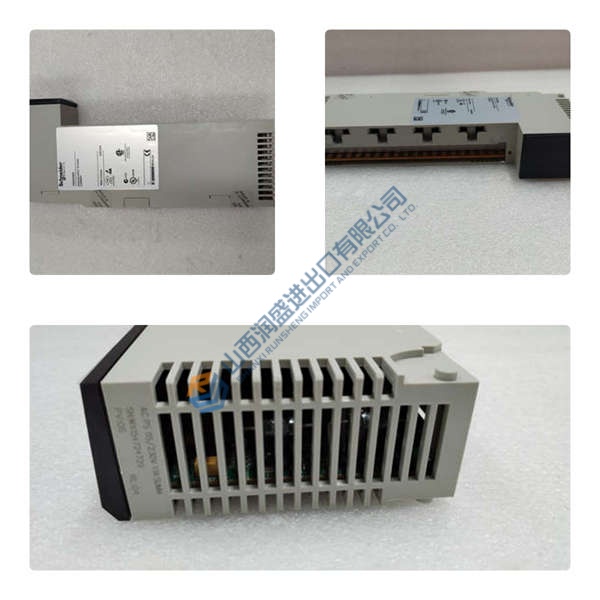
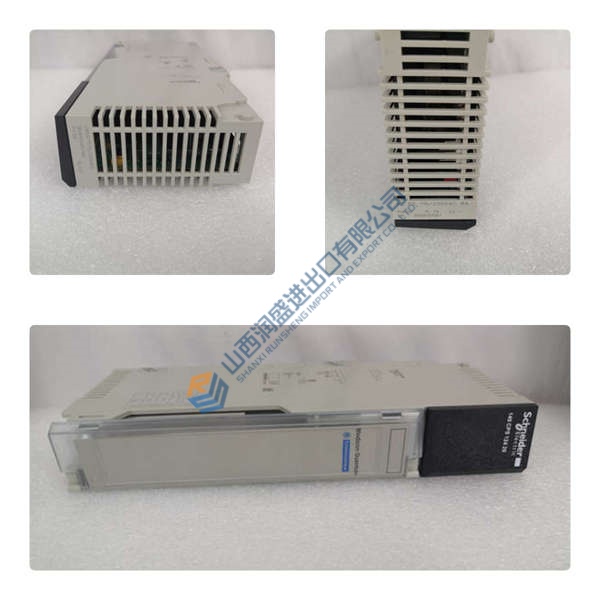
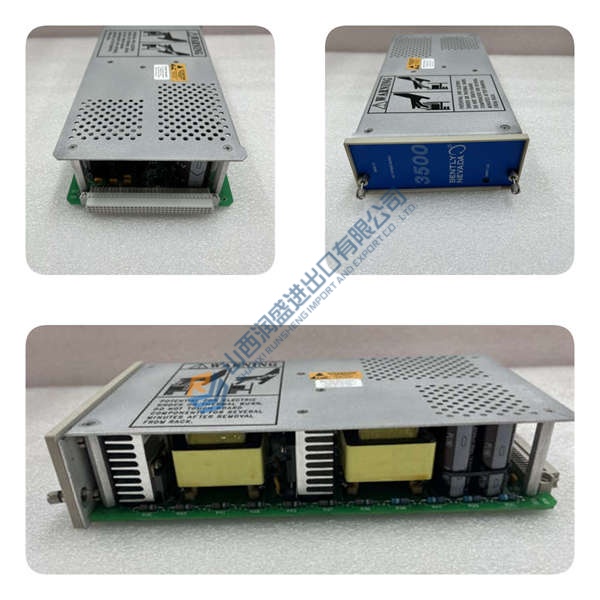
Description
Product Introduction
The ABB REF542PLUS is a multifunction feeder management terminal developed for the protection, control, and monitoring of medium-voltage power distribution systems. This module operates as an intelligent electronic device (IED) that integrates bay control functionality with specialized protection algorithms for lines, transformers, and motors. It acts as the primary defense mechanism in electrical substations, ensuring real-time fault detection and isolation.
Engineered for adaptability, the unit features a modular hardware architecture that supports multi-protocol communication environments, allowing integration into SCADA networks via Modbus RTU or Profibus DP. This module utilizes advanced signal processing to provide accurate RMS measurements and disturbance recording. By combining multiple discrete relays into a single hardware footprint, this system lowers overall engineering costs, optimizes panel space, and simplifies field wiring configurations.
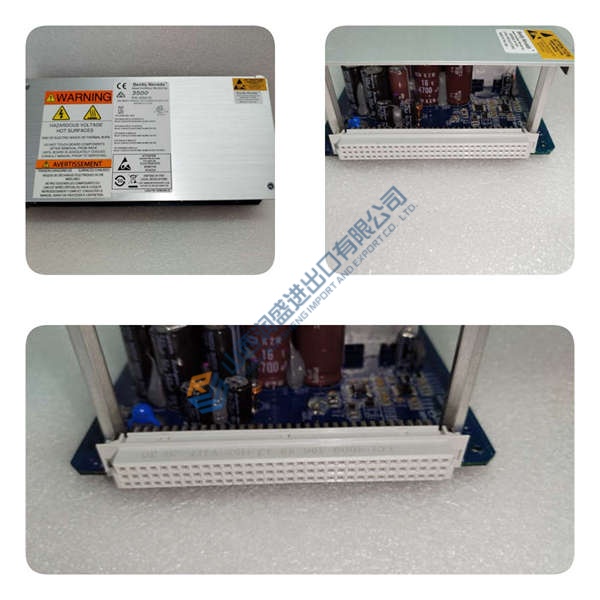
Quality Control & Inspection Standard Operating Procedure
To ensure the reliability of engineering stock and verify the integrity of the system before shipment, every module undergoes our rigid five-step inspection protocol:
1. Inbound Inspection
- Traceability Check: Verification of origin against customs documentation, packing lists, and manufacturing date codes.
- Counterfeit Prevention: Microscopic inspection of laser-etched serial numbers and factory holographic seals.
- Visual Assessment: Inspection under high-intensity lighting to confirm zero evidence of pin corrosion, surface scratches, housing cracks, or storage degradation.
- Accessory Verification: Ensuring all terminal blocks, mounting brackets, and specific configuration jumpers match the factory BOM.
2. Live Functional Testing
- Test Environment: Connection to a dedicated physical simulation bench mimicking medium-voltage switchgear signals.
- Power-On Self-Test (POST): Verification that the internal watchdog relay operates correctly and the diagnostic LEDs show no internal fault states.
- Communications Handshake: Establishing active communication links over Modbus RTU, Profibus DP, and Ethernet ports to check data packet transmission integrity.
- I/O Signal Calibration: Injecting precise 0-5 A and 0-100 V analog signals to verify full-scale measurement accuracy against nominal curve tolerances.
- Thermal Burn-In: Subjecting the unit to a continuous, powered test loop for >24 hours under load to eliminate early-life electronic component failure risks.
3. Electrical Testing
- Insulation Resistance: Application of a 500 V Megger between galvanic isolated circuits and the chassis ground terminal to confirm resistance exceeds 10 MΩ.
- Grounding Continuity: Low-resistance testing of the external chassis grounding screw to guarantee lightning and surge protection circuits operate as designed.
4. Firmware & Hardware Verification
- Firmware Mapping: Reading and logging the exact installed firmware version (e.g., V4C or V4E) via standard configuration software.
- Configuration Imaging: Recording the status of any onboard DIP switches and resetting the module to factory-default safe states to prevent field configuration conflicts.
5. Final QC & Packaging
- ESD Protection: Sealing the module inside an industrial-grade, anti-static shielding bag.
- Mechanical Protection: Multi-layer heavy-duty bubble wrap wrapping and placement inside an impact-resistant box.
- Labeling: Affixing a unique tracking identifier and a “QC Passed” certification stamp including the engineer’s signature and test date.