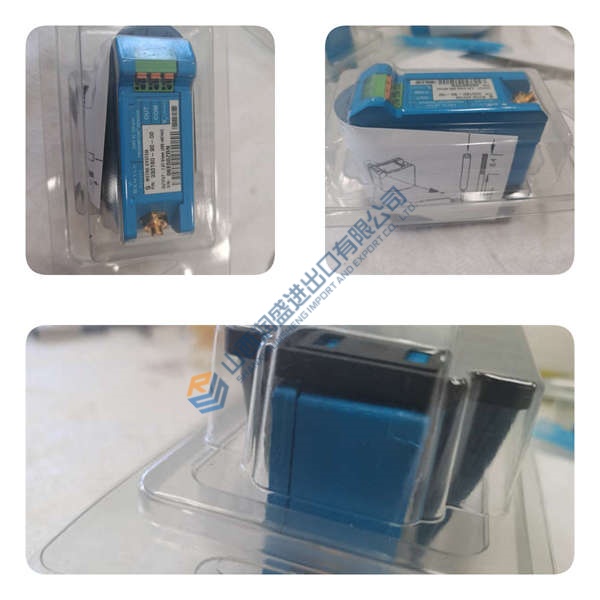
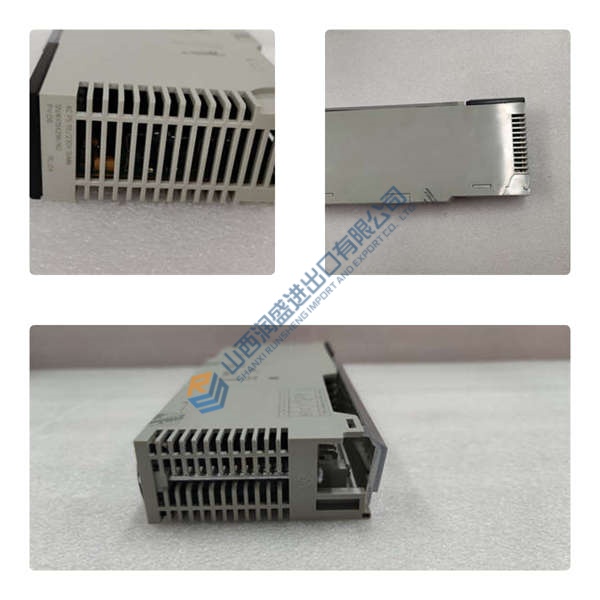
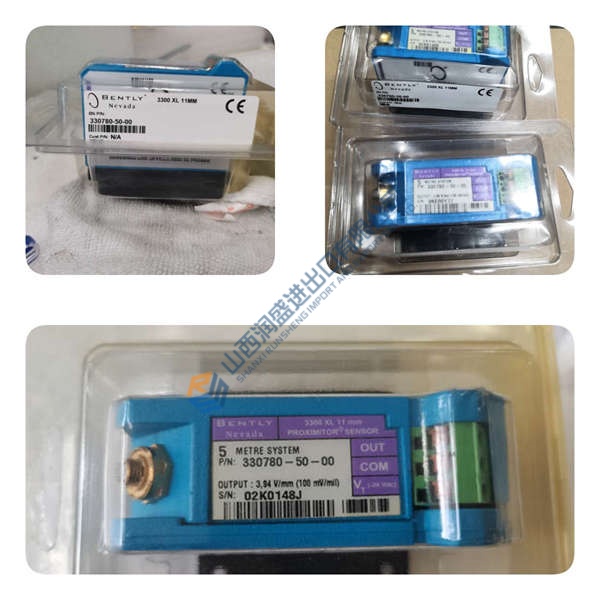
Description
Functional role in real grid operation
This is a line protection IED, not a bay controller and not a busbar protection unit.
Core operating logic:
- Measures phase currents at both ends of a line
- Exchanges data via a dedicated communication channel (typically fiber optic)
- Performs real-time differential comparison
- Issues trip command if internal fault is detected
External fault condition → current balance → no trip
Internal fault condition → imbalance → fast trip (sub-cycle range depending settings)
Key technical specifications (field-oriented summary)
- Series: ABB Relion 670
- Device type: Line differential protection relay
- Part number: 1MRK002810-AC
- Protection function: 87L line differential protection
- Communication: Fiber optic / pilot wire inter-substation link
- Backup protection: Overcurrent, earth fault, distance protection (configuration dependent)
- CT input: 1 A / 5 A secondary systems (variant dependent)
- CT supervision: CT saturation detection and stability restraint logic
- Fault recording: COMTRADE disturbance recording + event logs
- IEC 61850: Station bus communication support (system dependent implementation)
- Mounting: 19-inch rack plug-in modular design
- Auxiliary supply: DC supply range typical for substation systems (variant dependent)
- Operating environment: Industrial substation class, wide temperature range depending hardware version
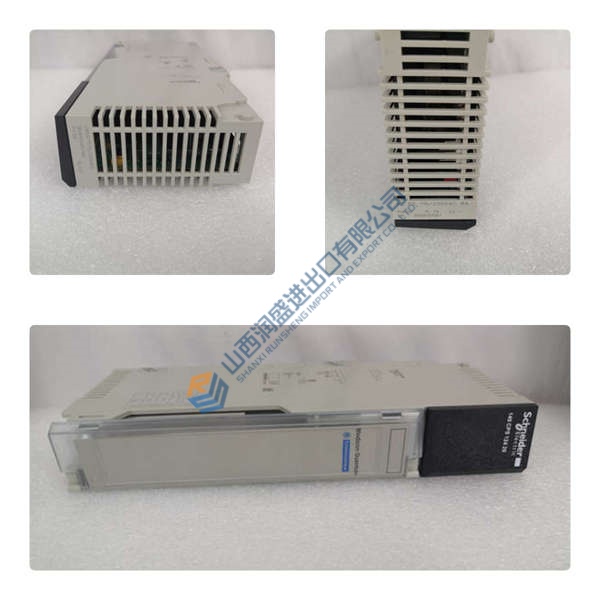
Product introduction (field engineering perspective)
In transmission protection design, ABB RED670 1MRK002810-AC is selected when time-graded overcurrent coordination is no longer reliable or fast enough.
This typically happens in systems with:
- increased grid interconnections
- higher fault current variability
- stricter clearing time requirements for stability
Instead of waiting for graded time delays, the relay compares synchronized current vectors from both ends of the line.
That eliminates coordination delay for internal faults.
But it introduces a hard engineering constraint:
Protection performance depends directly on communication integrity and synchronization accuracy.
If fiber delay, channel asymmetry, or configuration mismatch exists, the relay may restrain or block operation even under real fault conditions.