Description
Product Introduction
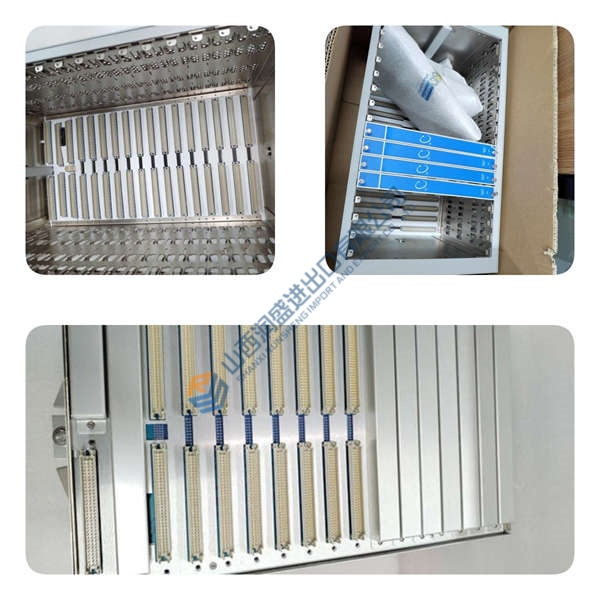
ABB SC520 provides structural housing and backplane interconnection for Advant Controller 400 series systems and related automation modules. Providing high-integrity backplane bus routing, this carrier chassis links power distribution and signal lines across processing and I/O cards. Operating on 24 V DC system supply rails, the frame ensures rigid board positioning in harsh control room environments. In field deployments of AC800M systems, reliable backplane connectivity prevents inter-module communication dropouts.
Replacing damaged subrack frames during scheduled plant outages poses severe mechanical alignment challenges. Fitting standard 19-inch cabinet enclosures, the unit replaces legacy subracks without requiring custom mounting plates or harness adjustments. Is this design choice actually clever? Absolutely, because integrated grounding buses eliminate frame voltage differentials between adjacent slots. Listed pricing serves as reference only; actual market pricing depends on global inventory levels. Contact our procurement desk today to request a formal quote for current stock.
Quality Inspection and Verification SOP
In our testing facility, every incoming subrack assembly undergoes meticulous multi-point verification before entering storage. We verify source documentation against OEM packing manifests and customs paperwork. Technicians perform anti-counterfeit checks, examining serial numbers, chassis stamping, and backplane PCB batch codes. Physical checks ensure zero connector pin bending, structural frame warping, or guide rail damage.
Live functional testing begins by mounting the ABB SC520 into a test enclosure and energizing backplane power rails while monitoring voltages with a Fluke 115 multimeter. Observing power distribution integrity, we populate slots with test processor cards and establish backplane communication handshakes. Technicians run full bus traffic routing tests across all subrack slots during a 24-hour continuous load test. Insulation resistance is verified using a 500 V megohmmeter to ensure power rail-to-earth ground isolation exceeds 10 MΩ. Firmware revisions of backplane logic boards are recorded, and jumper configurations are photographed for client archives. Following final technician sign-off, the assembly is wrapped in anti-static shielding and boxed with high-density foam padding. Test photos and raw video recordings remain available on request. Units are confirmed functional after completing all tests above.
Technical Pitfall Guide for Integration Engineers
Having supported dozens of control room retrofits, our engineering team highlights five critical mistakes that stall installations.
- Backplane Connector Pin Alignment: Forcing module cards into misaligned subrack slots bends backplane connector pins. Inspect plastic card guide channels for debris prior to sliding cards in. Align PCB edges carefully and seat modules using even, perpendicular pressure.
- Missing Frame Chassis Grounding: Skipping the main copper ground stud connection allows static charges to accumulate on the metal frame, causing intermittent processor resets. Bolt a heavy copper earth strap from the subrack ground stud directly to the main cabinet ground bar. Photo. Photo. Photo.
- Power Distribution Bus Overloading: Drawing excess current through a single power feed terminal causes localized backplane connector overheating. Calculate total current consumption for all installed cards and maintain at least 20% power headroom. Feed 24 V DC power through both primary and secondary bus terminals when fully populated.
- Subrack Frame Mechanical Distortion: Over-tightening cabinet mounting screws on uneven rack rails twists the subrack frame, preventing smooth card insertion. Ensure cabinet mounting rails are square and parallel before torquing mounting bolts to 2.0 N·m.
- Electrostatic Discharge (ESD) During Insertion: Inserting cards into ungrounded subracks risks damaging sensitive backplane bus transceivers — though your mileage may vary depending on ambient humidity. I watched an engineer skip the strap in January. The module smoked on power-up. $2,000 gone. Always wear an ESD wrist strap connected to cabinet earth ground.