Product Core Brief
- Model: PS-11 (or PS11)
- Brand: Kongsberg Maritime / Kongsberg Maritime Safety Systems
- Series: Bearing Wear Monitoring System (BWMS) / K-Chief Marine Automation
- Core Function: Continuous non-contact distance measurement of two-stroke main engine crosshead bearings, crankpin bearings, and main bearings using eddy-current induction technology.
- Type: Eddy-Current Bearing Wear Proximity Sensor
- Key Specs: Threaded stainless steel probe body, high-accuracy millimeter/sub-millimeter linear measurement range, oil- and heat-resistant IP68 sealing, marine class approved
- Condition: New Original (New Surplus) / Tested Surplus
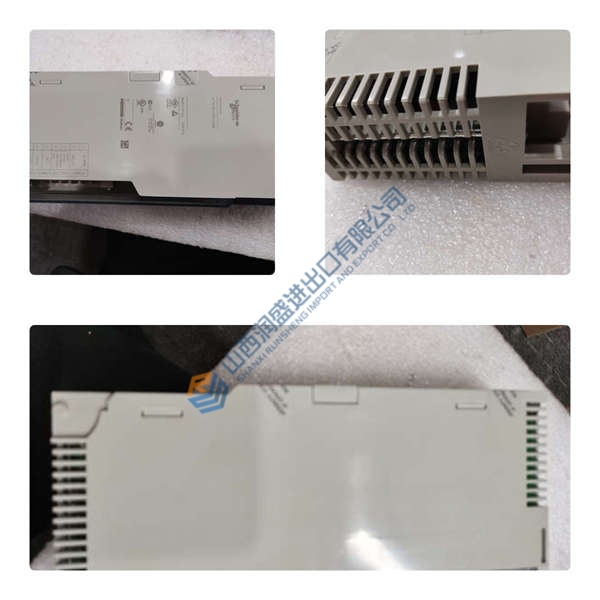
Product Introduction
In marine propulsion and commercial shipping, detecting early crosshead and main bearing degradation prevents catastrophic engine failures and expensive off-hire downtime. The Kongsberg PS-11 is a specialized eddy-current proximity sensor designed for Kongsberg Bearing Wear Monitoring (BWM) systems installed on large two-stroke marine engines (e.g., MAN Energy Solutions, WinGD / Wärtsilä).
Mounted inside or through the crankcase frame, the PS-11 continuously measures the distance to the moving crosshead guide shoe at bottom dead center (BDC). As the bearing lining wears down, the measured distance shifts. The PS-11 transmits these micro-distance changes to the Kongsberg Sentry / K-Chief processing unit to trigger early alarms before metal-to-metal contact or thermal seizure occurs.
Key Selling Points & Differentiators
- Non-contact eddy-current measurement eliminates mechanical fatigue and mechanical arm wear inside the high-vibration crankcase.
- Fully sealed IP68 stainless steel housing withstands continuous hot engine oil splash, fuel mist, and severe thermal cycles up to +120°C.
- High measuring accuracy detects sub-millimeter bearing metal loss, allowing planned overhaul maintenance rather than emergency stops.
- Pre-calibrated linearity response specifically tailored to marine steel targets simplifies replacement calibration routines.
- Type-approved by major classification societies (DNV, ABS, Lloyd’s Register, BV) for critical marine propulsion monitoring.
Standard Quality Control Procedure
To guarantee immediate operational reliability on ocean-going vessels, every unit completes a 5-step verification protocol:
- Incoming Inspection: Visual check of thread condition, sensing face cap, connector pins, O-ring sealing grooves, and serial code verification against OEM records.
- Live Functional Test: Insertion into a calibrated eddy-current micrometer test rig. The probe undergoes distance linearity sweeps against a certified steel target plate, output stability checks under signal modulation, and signal response verification.
- Thermal & Electrical Parameter Tests: Megger insulation test (>20 MΩ target) at 500 V DC between signal pins and probe housing, alongside coil resistance tolerance verification across variable temperatures.
- Signal Conditioning & System Verification: Interfacing with a Kongsberg BWM processing module to verify zero-point adjustment, noise immunity, and analog output scaling.
- Final QC + Packaging: Final engineering sign-off, protective thread caps applied, oil-resistant ESD wrapping, custom foam packaging, and attachment of a dated “QC Passed” label. Passed the above checks; verified functional at time of test.