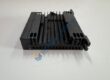
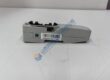
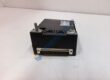
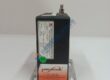
Product Core Brief
- Model: PFTL101A-0.5KN (3BSE004160R1)
- Brand: ABB
- Series: Pressductor Radial / PillowBlock Load Cell Series (PFTL 101)
- Core Function: Measures horizontal web tension forces in paper, plastic film, converting, and textile processing lines using magneto-elastic technology.
- Type: PillowBlock Horizontal Force Load Cell Sensor
- Key Specs: 0.5 kN (112 lbs) nominal measuring force, magneto-elastic Pressductor transducer, heavy-duty stainless steel housing, IP65 protection rating, high overload capacity
- Condition: Condition: New Original (New Surplus) — not refurbished. Verified secondary market options tested prior to shipment.
Product Introduction
A damaged load cell in a continuous web processing line causes inaccurate tension measurement, leading to web tears, product wrinkles, or uneven roll winding. The ABB PFTL101A-0.5KN (3BSE004160R1) provides highly accurate, drift-free horizontal tension sensing across paper machine press sections, film converting lines, and metal strip processing. Utilizing ABB’s proprietary Pressductor magneto-elastic technology, it withstands severe mechanical overloads and vibrations without internal strain gauge degradation.
Designed for pillowblock bearing mounting, this sensor measures horizontal force vectors independently of vertical tare weights like heavy roll assemblies. The ABB PFTL101A-0.5KN links directly with ABB Millmate / Pressductor signal processing units (e.g., PFTA100 series) to maintain consistent tension control at high line speeds. Listed prices serve as a baseline market reference; actual costs depend on global surplus availability and current lead times. Contact our procurement team directly to request an exact quote.
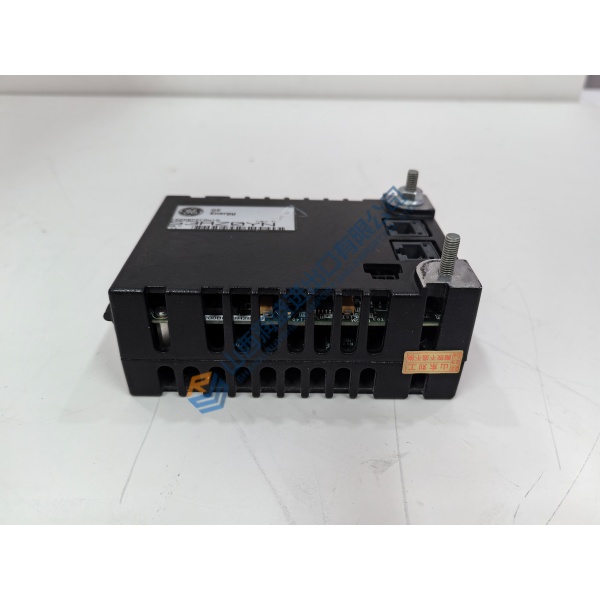
Installation & Configuration Guide
Phase 1 — Pre-Installation (est. 10 min)
Safely halt the web processing line, release web tension, and apply lock-out/tag-out (LOTO) to line drive motors. Assemble a torque wrench, dial indicator, precision level, cleaning solvent, and a digital multimeter. Inspect the machine frame mounting pad for flatness, burrs, or paint overspray. Record existing bearing alignment measurements and signal amplifier calibration parameters. Take clear photos of cable routing, shield grounding, and arrow alignment orientation on the active ABB PFTL101A-0.5KN load cell.
Phase 2 — Removal (est. 5 min)
Disconnect the load cell signal cable at the junction box or sensor plug connector. Support the web guide roll or pillowblock bearing housing with a hoist or mechanical jack to relieve weight on the load cell base. Loosen and remove the top bearing pillowblock mounting bolts. Remove the lower mounting bolts securing the load cell base to the machine frame. Carefully lift the load cell off the frame pad and inspect the mounting surface for rust or debris.
Phase 3 — Installation (est. 10 min)
Clean the mounting surface thoroughly with solvent. Remove the replacement ABB PFTL101A-0.5KN from its protective packaging and check the serial plate against your documentation. Position the load cell on the frame, ensuring the force direction arrow on the housing points in the direction of the horizontal tension force vector. Insert mounting bolts and torque to specified values (~45 N·m for standard base bolts). Mount the pillowblock bearing assembly onto the top face of the load cell, maintaining proper alignment to avoid mechanical binding. Connect the signal cable.
Phase 4 — Power-On & Testing (est. 15 min)
Power up the connected ABB Pressductor signal amplifier unit (e.g., PFTA100). Verify excitation voltage and primary coil excitation current. Perform zero-point calibration (tare adjustment) with the roll in place but without web material present. Apply a known test weight or calibrate using web geometry calculations within the amplifier unit interface. Verify that the displayed horizontal force scales linearly and that signal output returns to zero upon unloading. Log replacement details in your mill maintenance software.