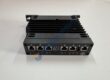
Product Core Brief
- Model: MVME162-032
- Brand: Motorola (now part of Emerson / Abaco)
- Series: MVME162 Embedded Controller
- Core Function: VMEbus single-board computer for real-time embedded control
- Product Type: 6U VME Single-Board Computer
- Key Specs: 25 MHz MC68040 | 8 MB DRAM | SCSI-2 Interface
- Condition: New Surplus / Refurbished options available
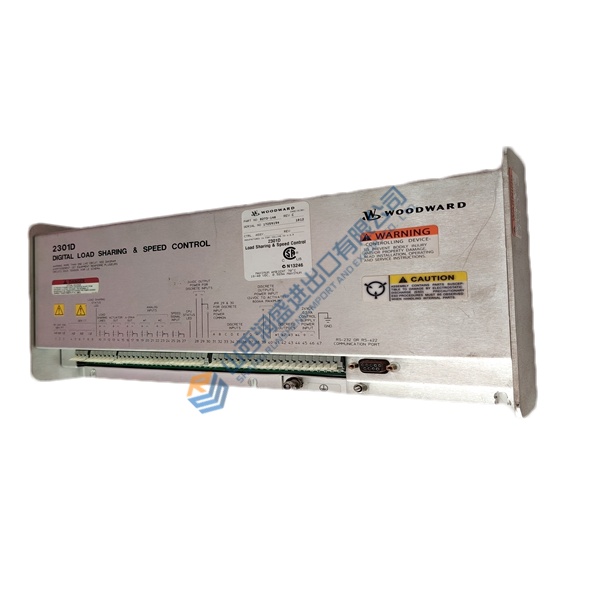
Product Introduction
The Motorola MVME162-032 is a 6U VMEbus single-board computer built around the 25 MHz MC68040 microprocessor with integrated floating-point unit. It serves as the compute engine in legacy industrial control cabinets, telecom switching racks, and defense systems requiring deterministic real-time performance.
The -032 suffix places this unit in the SCSI-only configuration with 8 MB of onboard DRAM. This board is not Ethernet-equipped; if your application requires network connectivity, you need the -033 variant instead. The four IndustryPack slots provide I/O expansion without consuming additional VME slots—a design advantage that kept total system cost down in dense rack installations.
Frequently Asked Questions
Q: Is the MVME162-032 still available, or is it obsolete?
A: Honestly, Motorola ceased production of the MVME162 family years ago. What circulates now is New Surplus or professionally refurbished stock. Emerson (which absorbed Motorola’s embedded business) may still offer repair services, but new-manufacture units are not available. Verify the date code on any unit before purchase.
Q: What is the difference between the -032 and other MVME162 suffixes?
A: The ordering table is clear: -032 means 25 MHz 68040, 8 MB DRAM, SCSI only, no Ethernet. If you see a listing claiming -032 has Ethernet, it is wrong. The -033 has both SCSI and Ethernet.
Q: Can I hot-swap this board while the VME chassis is powered?
A: No. The MVME162 is not a hot-swap board. Removing it while the backplane is live can damage the VMEbus interface ASIC and potentially take down other cards on the bus. Power down the chassis, then extract.
Q: Will I lose the firmware or configuration during replacement?
A: The board itself holds the debugger/monitor firmware in Flash. User configuration may reside in NVRAM or on the SCSI disk. Before pulling a failed unit, attempt to dump the NVRAM contents via the debugger if the board still boots. If it does not boot, you lose whatever was stored locally—the application typically lives on the SCSI drive or is loaded over the VME backplane.