Description
Product Introduction
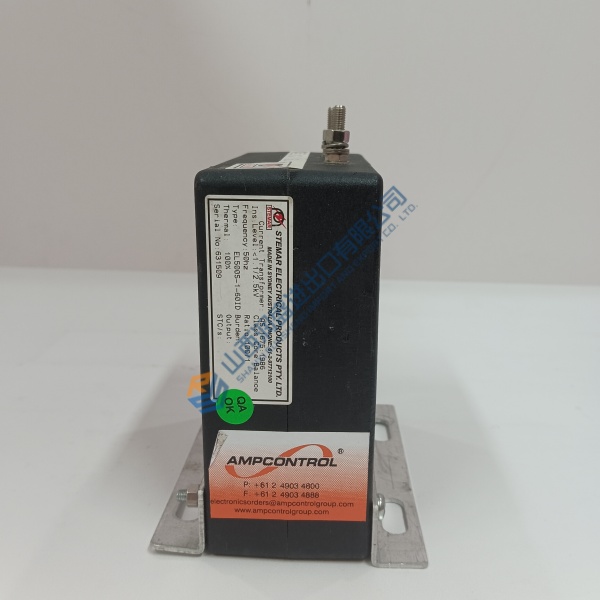
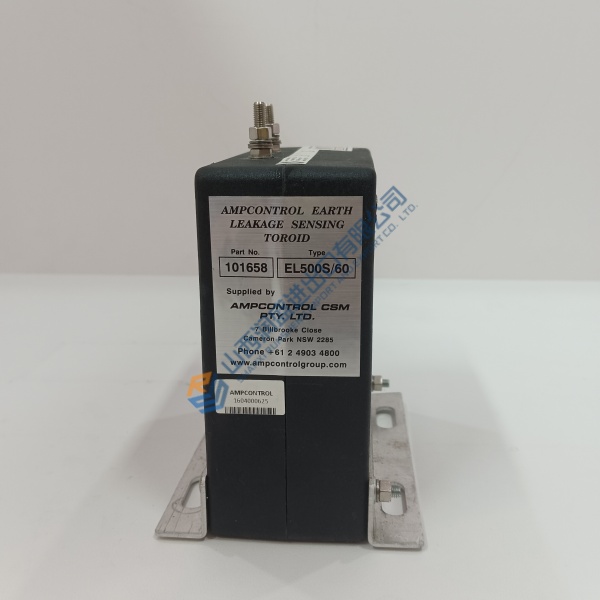
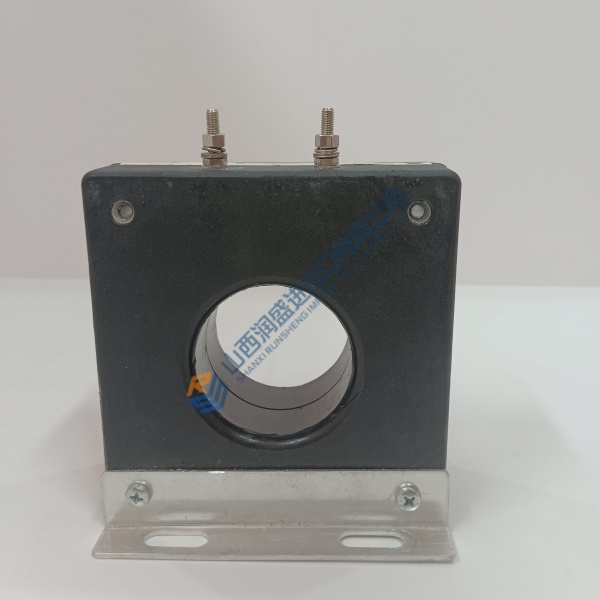
Semikron L54E2900WD is a high-power semiconductor module manufactured by Semikron for industrial power electronics applications. Semikron modules of this class are used in controlled rectifiers, AC/DC converters, soft-starters, welding power sources, and large drive systems where high current handling and reliable thermal performance are required.
The module features an isolated baseplate for direct mounting on a heatsink and is designed for forced-air or liquid cooling depending on the application. Exact voltage and current ratings, circuit configuration (single diode, dual diode, thyristor, etc.), and package style must be verified from the unit nameplate or original datasheet, as public cross-references for this specific code are limited.
Installation & Configuration Guide
Phase 1 — Pre-Installation (est. 15 min)
De-energize and lock out the power system. Discharge all capacitors. Tools: ESD protection if handling gate leads, torque wrench calibrated for module mounting screws, thermal interface material, multimeter (Fluke 115). Photograph existing busbar connections, mounting orientation and cooling arrangement.
Phase 2 — Removal (est. 15–20 min)
Label and disconnect all power and control leads. Remove busbars carefully to avoid mechanical stress on terminals. Unscrew the module from the heatsink. Clean residual thermal compound from the heatsink surface.
Phase 3 — Installation (est. 20 min)
Verify the part number L54E2900WD and any date/lot codes. Apply fresh thermal interface material evenly. Mount the module using the correct torque sequence and values specified by Semikron for the package. Reconnect busbars and control wiring with proper torque and strain relief.
Phase 4 — Power-On & Testing (est. 20–30 min)
Perform insulation and continuity checks before applying power. Energize under controlled conditions while monitoring temperature, voltage drop and current sharing (if paralleled). Confirm stable operation under load and log the replacement.
Troubleshooting quick-reference:
- Overheating → check thermal interface, cooling flow and torque
- Uneven current sharing → verify busbar impedance and paralleling arrangement
- Isolation failure → inspect baseplate and mounting surface cleanliness