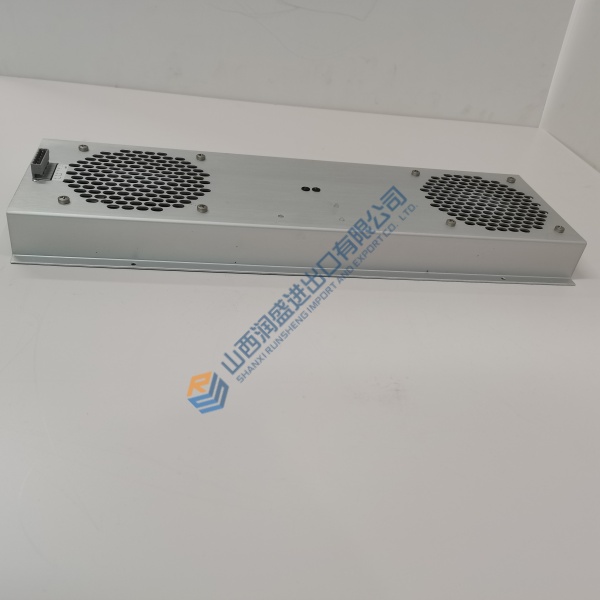
Description
Product Introduction
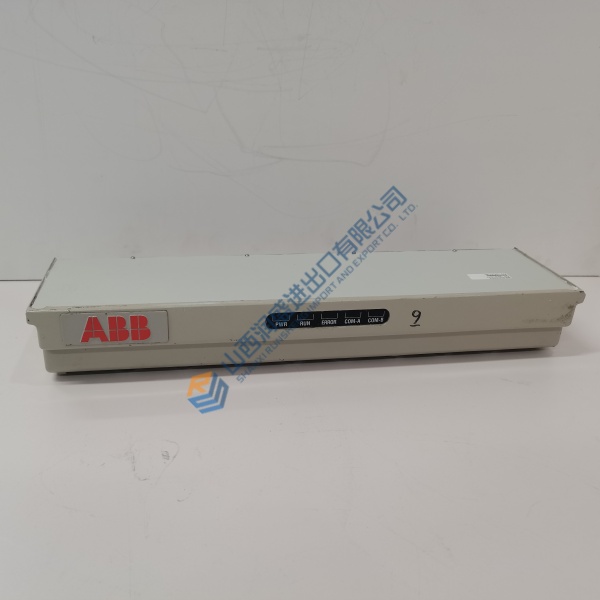
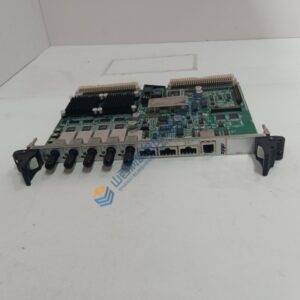
How often does an unexpected utility dip cause improper load shedding across your standby generator bank? The Woodward 8440-1934 is engineered specifically to eliminate dynamic synchronization bottlenecks, serving as a primary controller for complex multi-generator paralleling and automatic mains failure (AMF) applications.
Field control engineers rely on the Woodward 8440-1934 to establish stable active and reactive load sharing across up to 32 generators connected on a common CAN network. Operating reliably on standard 24 VDC control power, the module executes phase-angle matching in under 100 ms to deliver uninterrupted transition during utility outages.
Key Selling Points & Differentiators
- Controls up to 32 generator sets on a single CAN network with real-time active (kW) and reactive (kVAR) load balance.
- Thoroughly bench-tested using simulated generator harnesses; comprehensive thermal and functional test records supplied prior to shipment.
- Features integrated voltage matching and speed bias outputs, reducing external wiring complexity compared to discrete synchronizing relays.
- Not recommended for high-voltage direct AC sensing above 480 VAC without installing external potential transformers (PTs).
- Complies with IEC 60255 protection requirements and IEEE standards for utility-interconnected generator protection systems.
Quality Transparency SOP
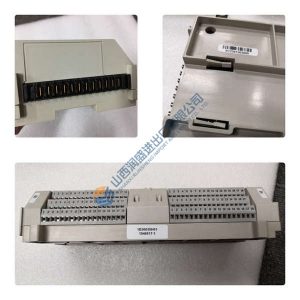
- Incoming Inspection: Serial number cross-reference against original manufacturer records; physical inspection of casing, display glass, side latches, and terminal block connector pins.
- Live Functional Test: Mounted on a Woodward test bench simulator. Verified 24 VDC power-up boot sequence, LCD contrast, CAN bus handshake, digital input toggling, and relay output contact actuation. Held under continuous full-load simulation for 24 hours while recording internal temperature variation.
- Electrical Parameter Tests: Megger insulation testing performed at 500 VDC (>10 MΩ target) across power supply terminals, voltage sensing inputs, and enclosure chassis ground.
- Firmware Verification: Connected via Woodward ToolKit software to read and document exact firmware revision numbers and verify default hardware configuration parameters.
- Final QC + Packaging: QC sign-off completed, unit sealed inside a static-shielding ESD bag, wrapped in high-density protective foam, and placed inside a heavy-duty carton with a dated QC Pass seal.