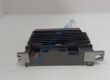
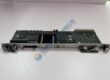
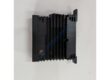
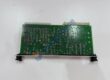
Product Core Brief
- Model: RES-420-L/230VAC
- Brand: ROPEX
- Series: RESISTRON 420
- Core Function: Controls temperature for impulse heat sealing bands.
- Type: Temperature Controller
- Key Specs: Microprocessor closed-loop control, LC display, 230 VAC supply
Condition: New Original (New Surplus) — not refurbished. Discontinued — limited stock. Check alternatives like RES-5200 series.
Product Introduction
A heat sealing line stops because the band temperature drifts. The ROPEX RES-420-L/230VAC delivers precise, sensorless closed-loop control for impulse heating elements in packaging machines. This RESISTRON unit targets medium to high-volume sealing applications across food, medical, and industrial lines.
It uses automatic zero calibration and optimization to maintain consistent seal quality. In field deployments of similar RES series controllers, the unit handles rapid heating cycles with minimal overshoot. To be frank, it performs reliably once the temperature coefficient matches your sealing band alloy.
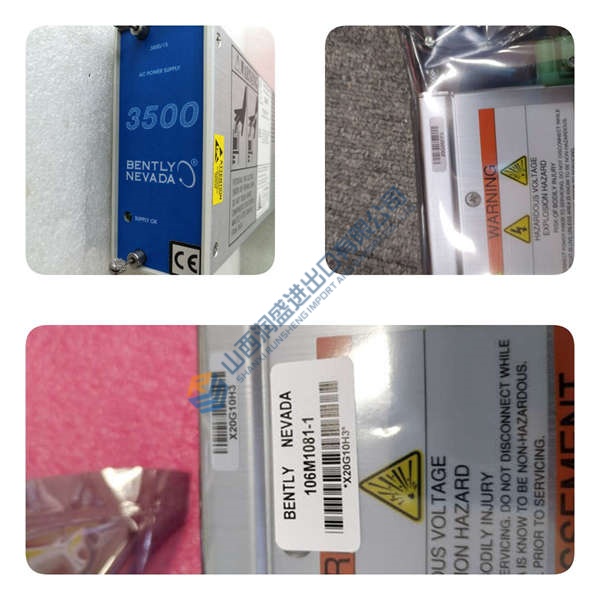
Installation & Configuration Guide
Phase 1 — Pre-Installation (est. 10 min): De-energize the system and wait 5 minutes for discharge. Gather tools: torque screwdriver (0.5 N·m), wrist strap, configuration software or manual, backup parameters, and photos of existing wiring and settings.
Phase 2 — Removal (est. 5 min): Label all wires and terminals. Release the panel mounting clamps. Pull the unit straight out. Inspect connector pins for damage.
Phase 3 — Installation (est. 10 min): Apply ESD precautions. Verify the part number matches RES-420-L/230VAC. Replicate all parameter settings from photos. Seat the unit firmly in the panel cutout. Torque connections. Run the pre-power checklist.
Phase 4 — Power-On & Testing (est. 15 min): Confirm supply voltage (230 VAC ±10%). Observe display startup and LEDs. Set temperature coefficient per your ROPEX application report. Run a test cycle with sealing band. Confirm stable temperature control over 30 minutes. Log the swap.
Troubleshooting quick-reference: No heating → check supply voltage, output wiring, and booster. Temperature overshoot → verify AUTOTUNE and coefficient settings. Display error → check connections and power cycle.